Start of the Electrical Age
On September 4, 1882, Thomas Edison began providing electricity to a portion of New York City, an event often considered the start of the electrical age.

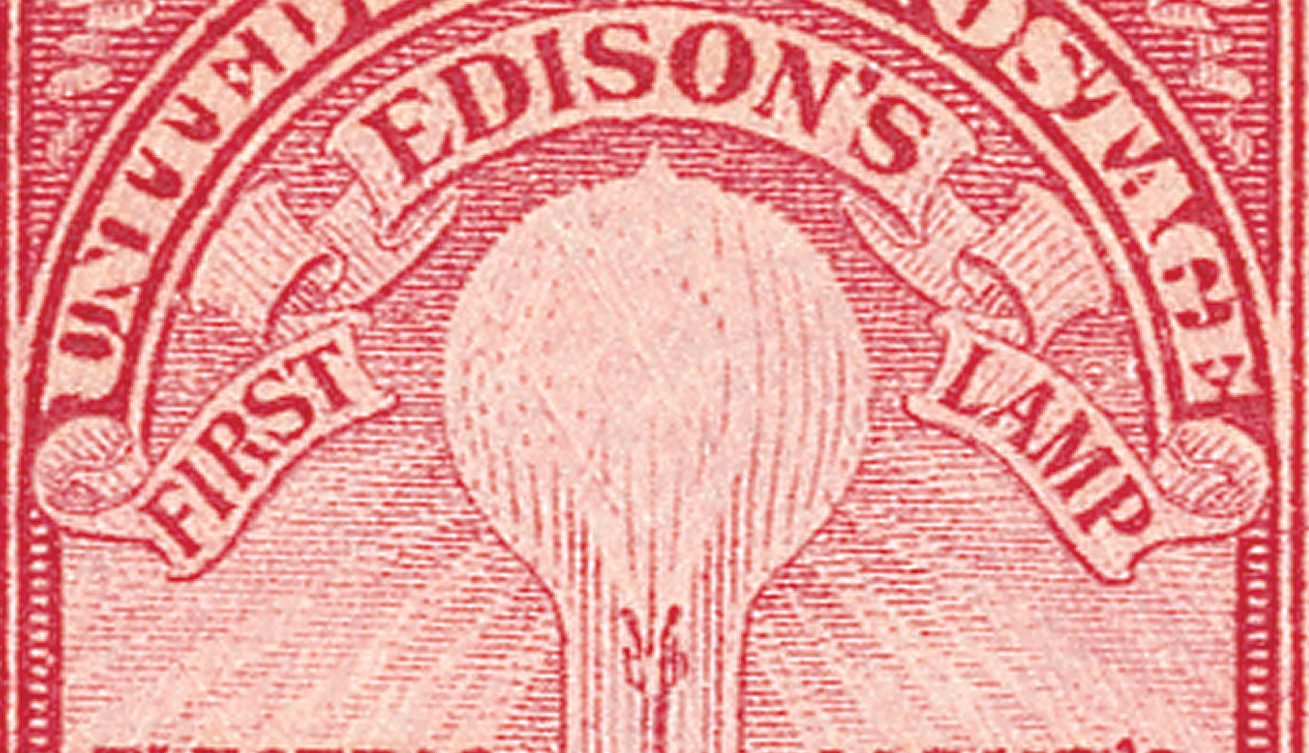
On September 4, 1882, Thomas Edison began providing electricity to a portion of New York City, an event often considered the start of the electrical age.
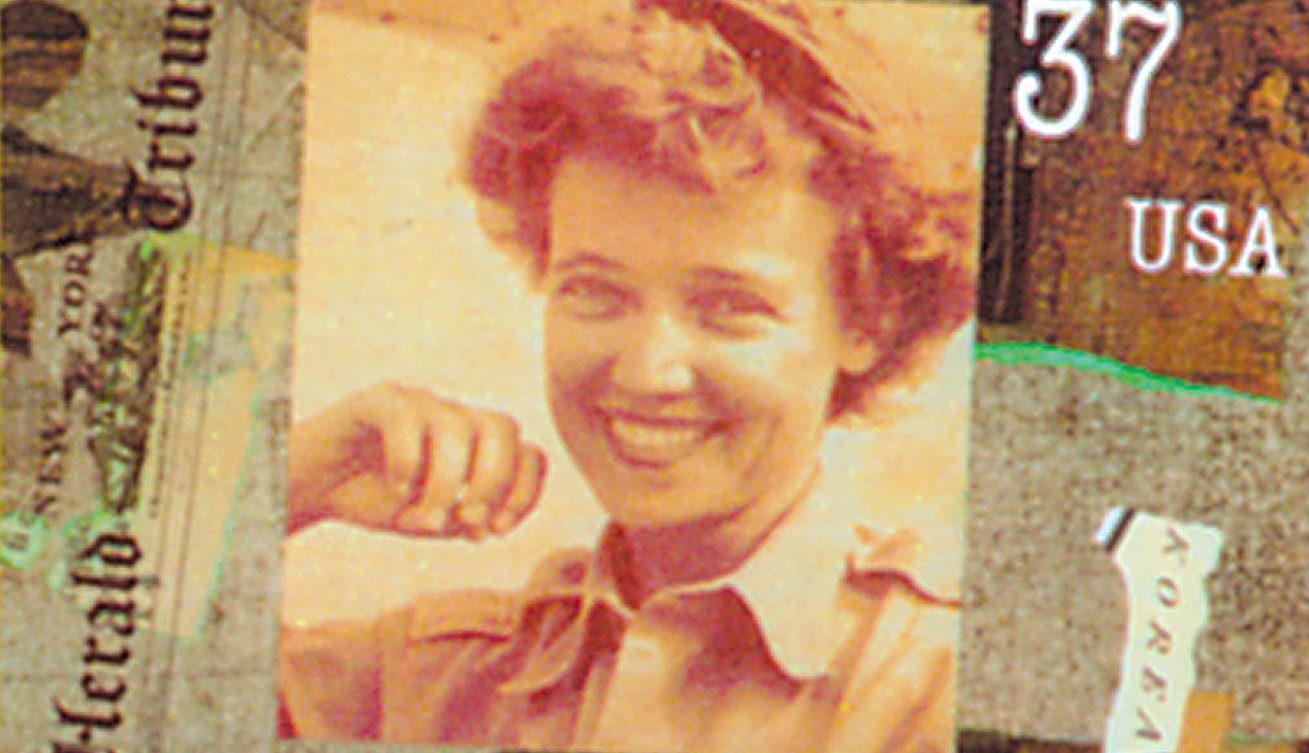
Marguerite Higgins Hall was born on September 3, 1920, in Hong Kong, China. A war correspondent for World War II, Korea, and Vietnam, she was the first woman awarded a Pulitzer Prize for international reporting.

On September 2, 1901, Vice President Theodore Roosevelt used a phrase at the Minnesota State Fair that would become closely associated with his presidency: “Speak softly and carry a big stick; you will go far.” The address, delivered less than two weeks before he entered the White House, outlined his belief that national power should support restrained but firm diplomacy.
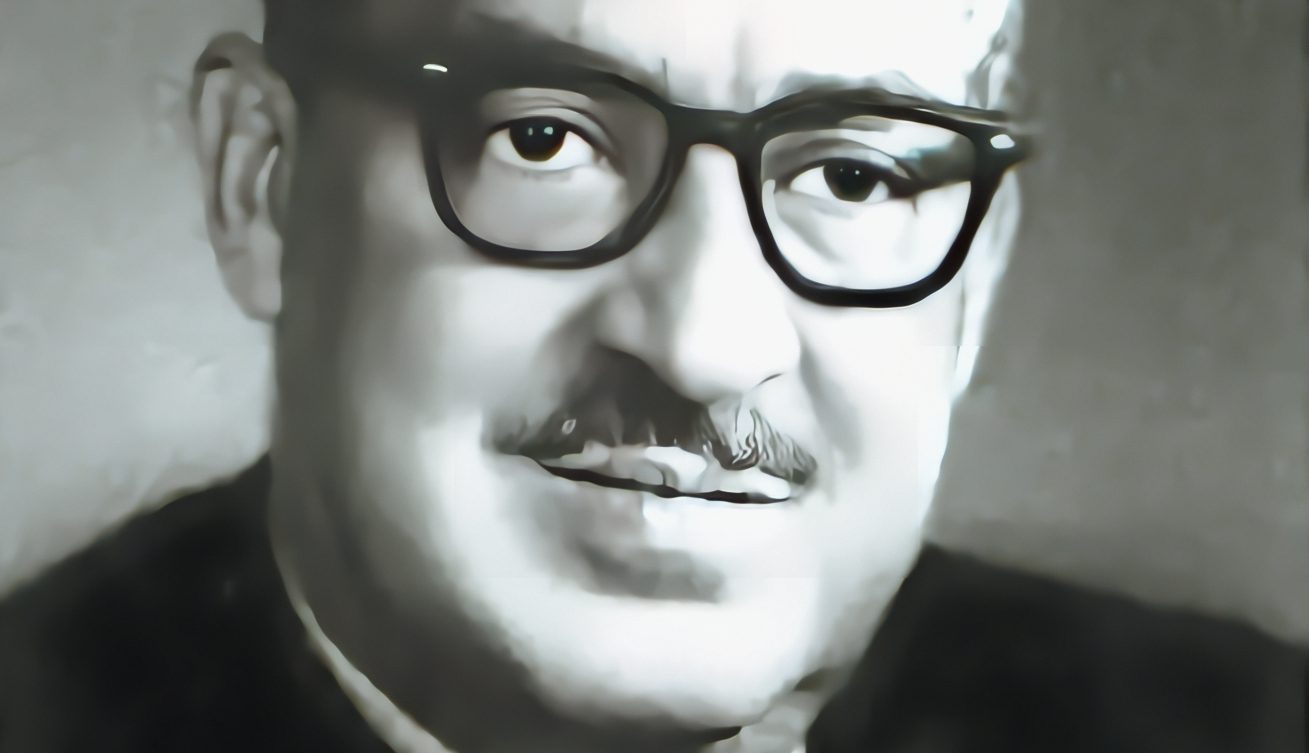
On August 30, 1967, the US Senate confirmed Thurgood Marshall as the first African American justice of the Supreme Court. His appointment followed three decades in which he used the law to challenge racial segregation and expand constitutional rights.
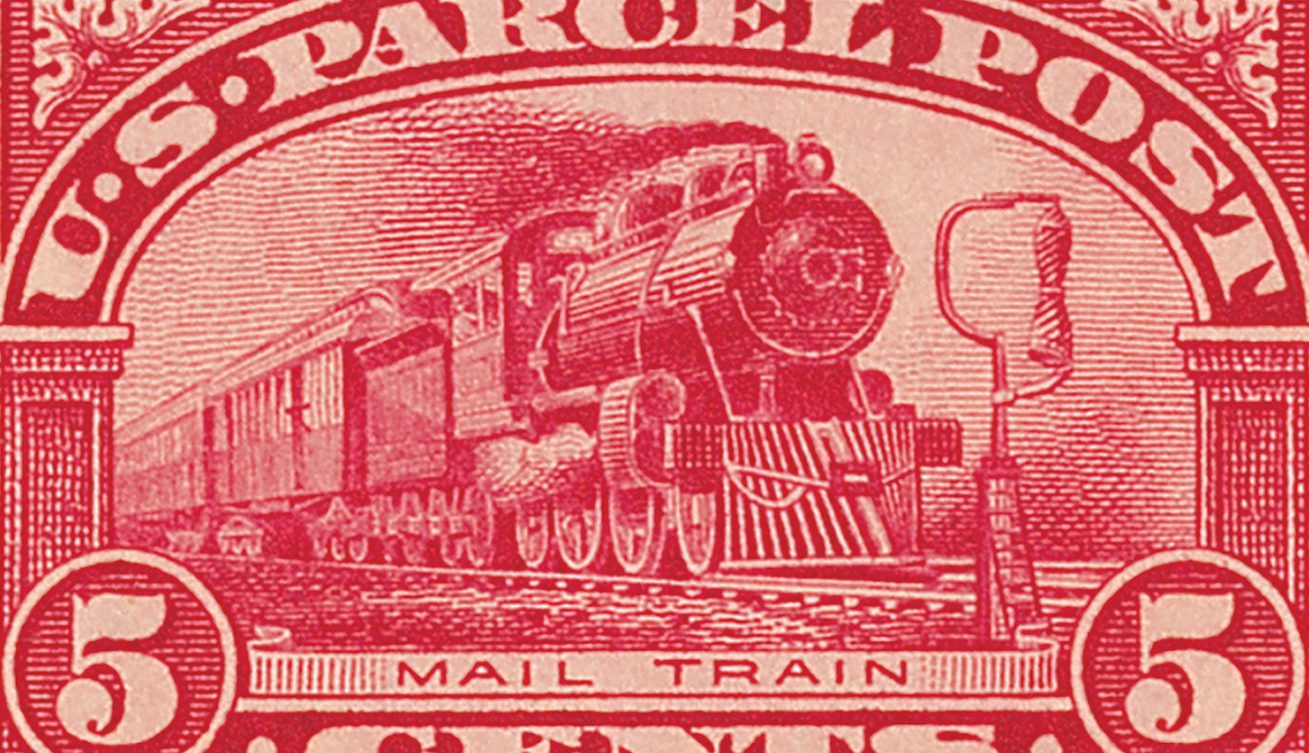
On August 28, 1864, the US Post Office Department created the Railway Mail Service. It revolutionized mail delivery for a century.
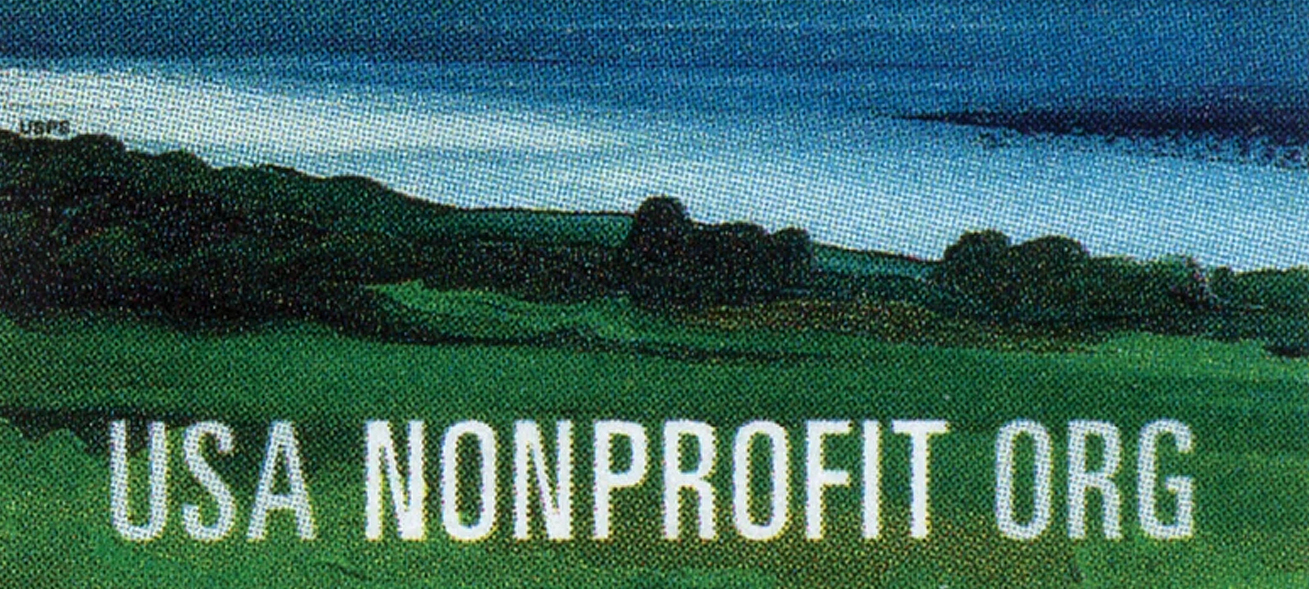
On August 27, 1894, the Wilson-Gorman Tariff Act became law and established the nation’s first federal income-tax exemption for charitable, religious, and educational organizations. Although much of the law proved short-lived, its basic distinction between commercial profits and nonprofit work became a lasting part of the federal tax system.
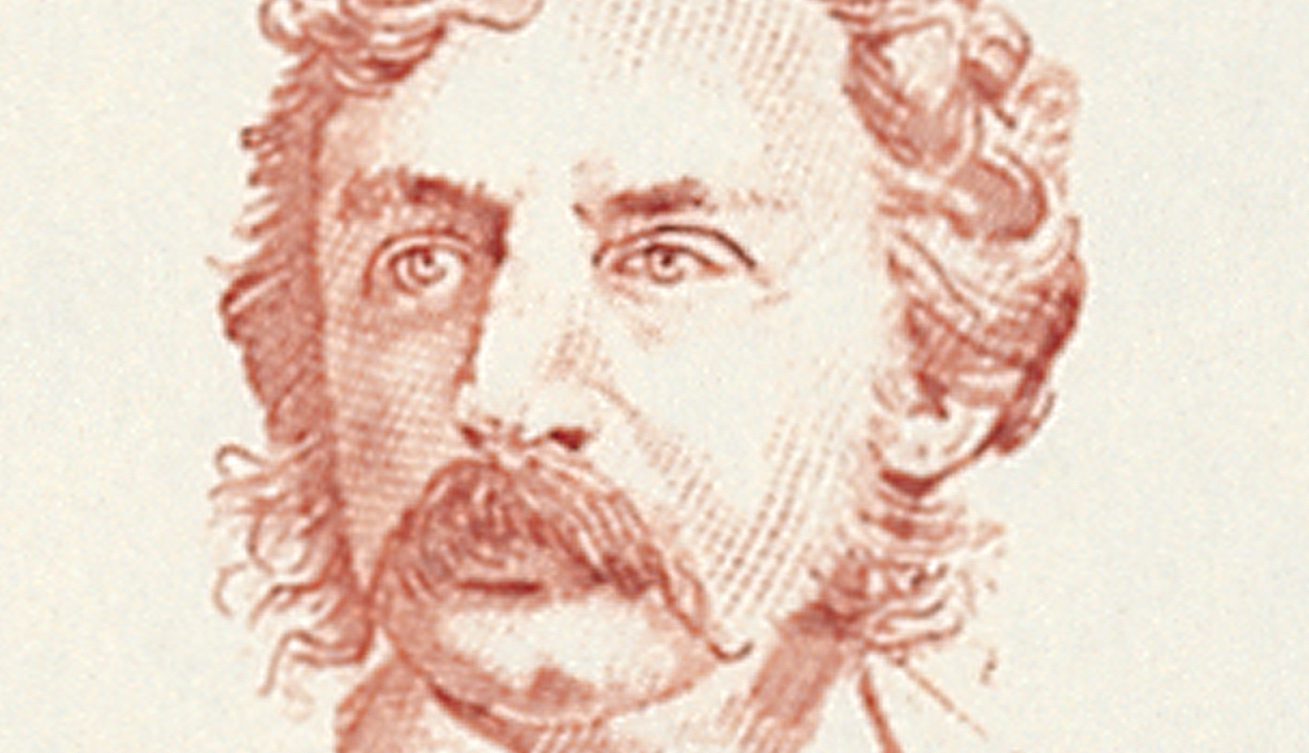
Writer Francis Bret Harte was born on August 25, 1836, in Albany, New York. His stories of California mining camps later brought him national fame and gave eastern readers a vivid, if literary, picture of life in the American West.

On August 23, 1784, an American merchant ship unfurled the Stars and Stripes for the first time in China. The Chinese dubbed it the “Flower Flag,” and its passengers, “flower flag countrymen,” a name that endures today.
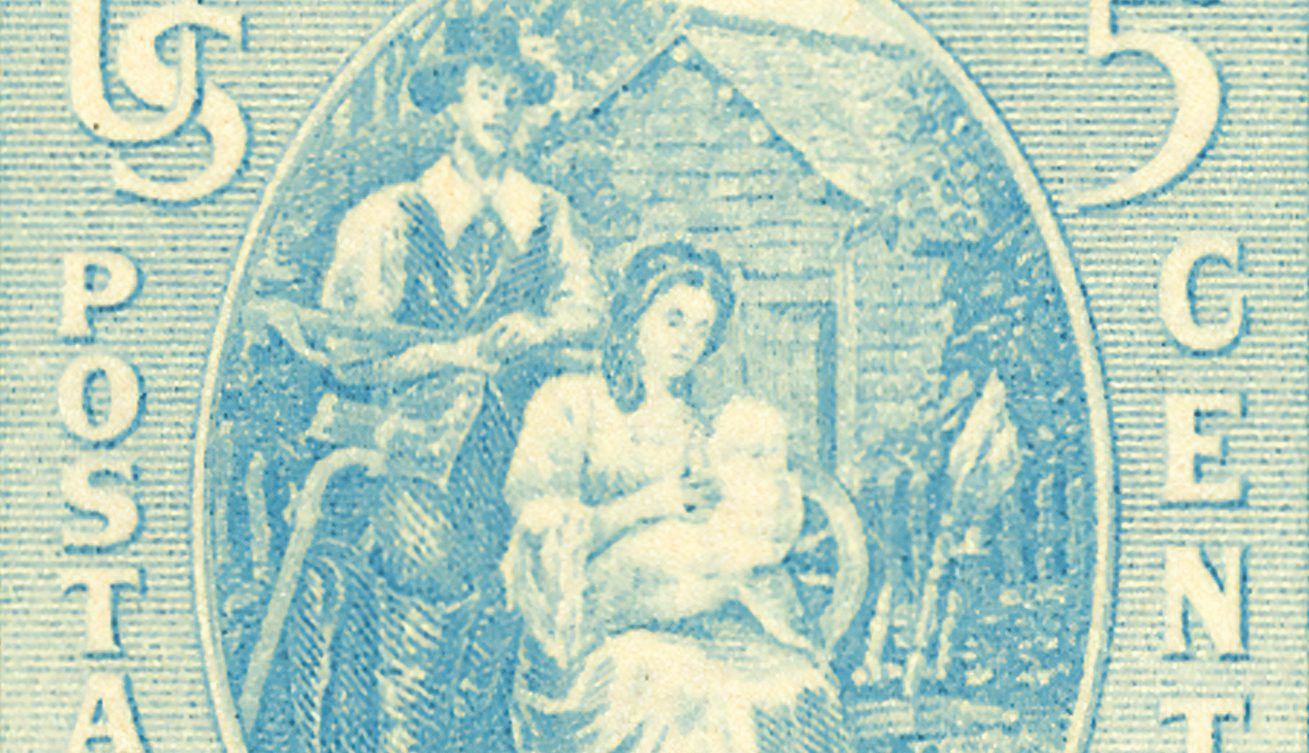
On August 18, 1587, Virginia Dare was born on Roanoke Island in present-day North Carolina, becoming the first English child known to have been born in North America. Just three years later, her grandfather returned to find Virginia, her parents, and the other colonists gone, creating the mystery now known as the Lost Colony of Roanoke.