
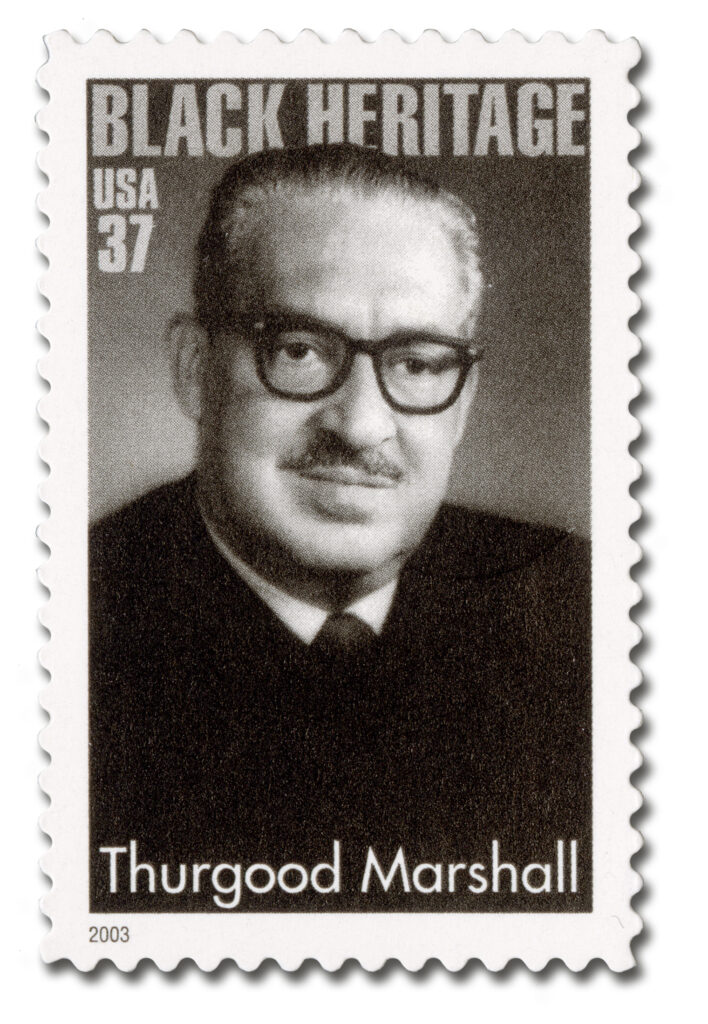
On August 30, 1967, the US Senate confirmed Thurgood Marshall as the first African American justice of the Supreme Court. His appointment followed three decades in which he used the law to challenge racial segregation and expand constitutional rights.
Marshall was born Thoroughgood Marshall in Baltimore, Maryland, on July 2, 1908. His father worked as a railroad porter and club steward, while his mother taught school. Marshall later shortened his first name to Thurgood.
After graduating from Lincoln University in Pennsylvania, Marshall applied to the University of Maryland School of Law. The school did not admit Black students, so he attended Howard University School of Law in Washington, DC. There, Dean Charles Hamilton Houston taught him that lawyers could serve as “social engineers” who used the courts to correct injustice. Marshall graduated first in his class in 1933.
Marshall opened a law practice in Baltimore and began working with the NAACP. In 1935, he and Houston represented Donald Murray, a qualified Black applicant rejected by the University of Maryland’s law school. They won a state court order requiring the university to admit him.
Marshall joined the NAACP’s national legal staff in 1936 and became its special counsel in 1938. Two years later, he became the first director-counsel of the newly formed NAACP Legal Defense and Educational Fund. The organization pursued carefully selected cases against segregation, unequal pay, discriminatory voting laws, and racially restrictive housing agreements.
Among Marshall’s victories was Smith v. Allwright in 1944, which struck down Texas’s whites-only primary elections. In Morgan v. Virginia in 1946, the Court prohibited state laws requiring segregation on interstate buses. Shelley v. Kraemer in 1948 prevented courts from enforcing racially restrictive property agreements.
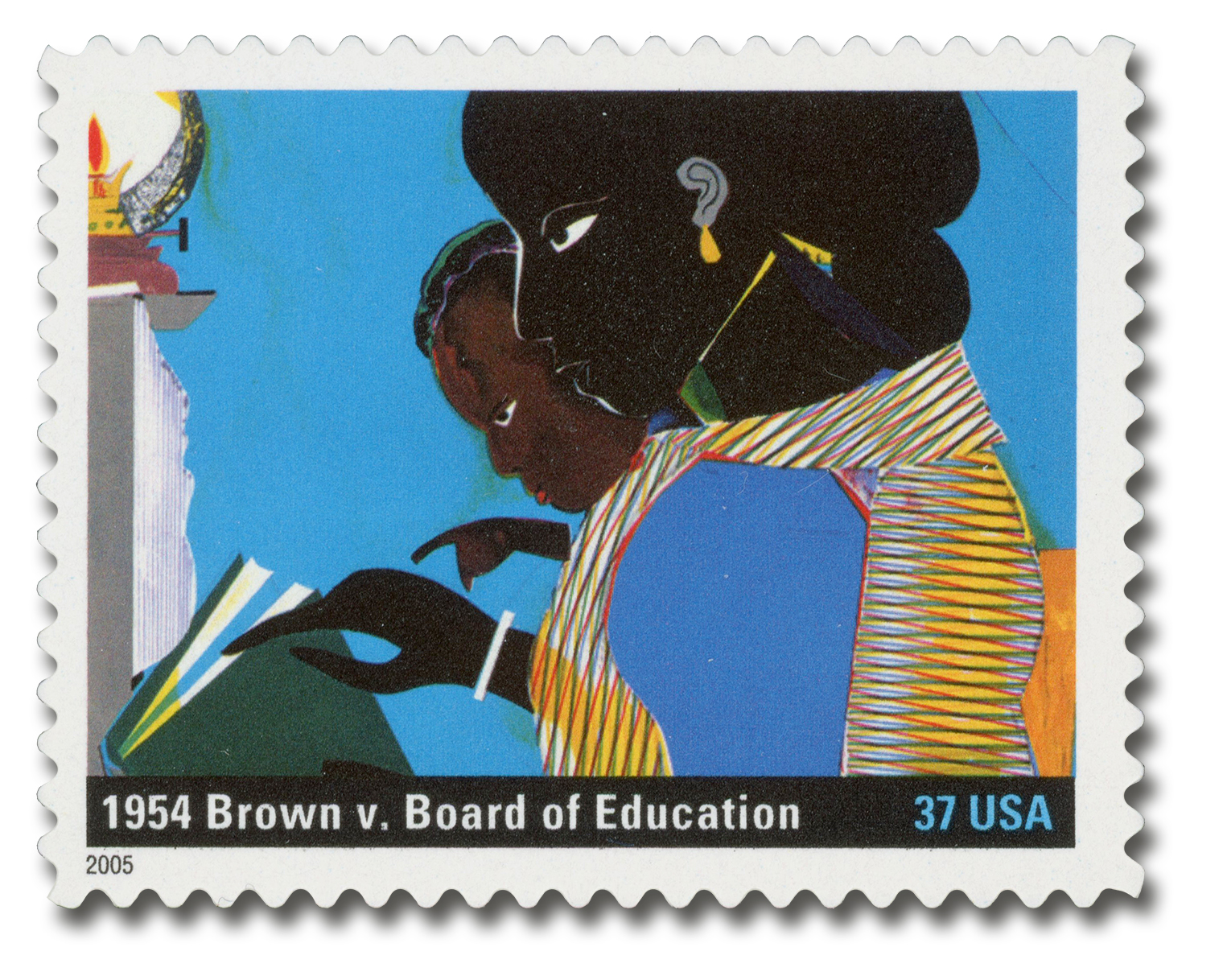
Marshall also challenged segregation in higher education. Victories in Sweatt v. Painter and McLaurin v. Oklahoma State Regents in 1950 weakened the legal foundation of “separate but equal.” These cases helped prepare the way for Brown v. Board of Education.
Marshall led the legal team and presented arguments in Brown. On May 17, 1954, the Supreme Court unanimously ruled that racial segregation in public schools violated the Equal Protection Clause of the 14th Amendment. The decision rejected “separate but equal” in public education because segregated schools were “inherently unequal.” Marshall argued 32 cases before the Supreme Court as an NAACP lawyer and won 29 of them.
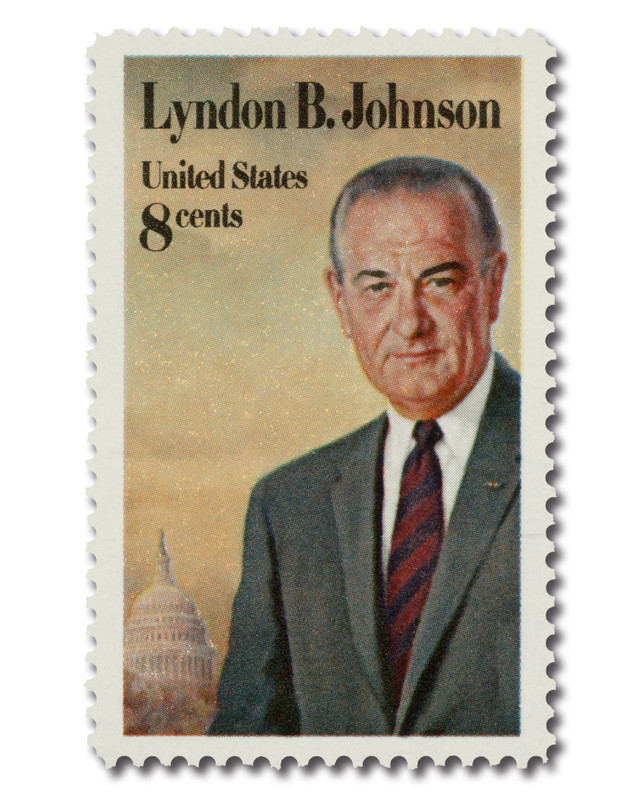
President John F. Kennedy appointed Marshall to the US Court of Appeals for the Second Circuit in 1961. President Lyndon B. Johnson then selected him as US solicitor general in 1965. Marshall was the first African American to hold that office and represented the federal government before the Supreme Court.
When Associate Justice Tom C. Clark retired, Johnson nominated Marshall on June 13, 1967. The president called it “the right thing to do, the right time to do it, the right man and the right place.” Several Southern senators strongly opposed the nomination and questioned Marshall during five days of hearings.
After six hours of debate on August 30, the Senate confirmed Marshall by a vote of 69–11. He took the constitutional oath on October 2 and officially joined the Court.
Marshall served for nearly 24 years. He supported strong protections for free speech, privacy, voting rights, criminal defendants, and equal treatment under the law. He joined the majority in Roe v. Wade, which recognized a constitutional right to abortion under the legal standard then in effect. He also opposed capital punishment, concluding that the death penalty violated the Eighth Amendment’s ban on cruel and unusual punishment.
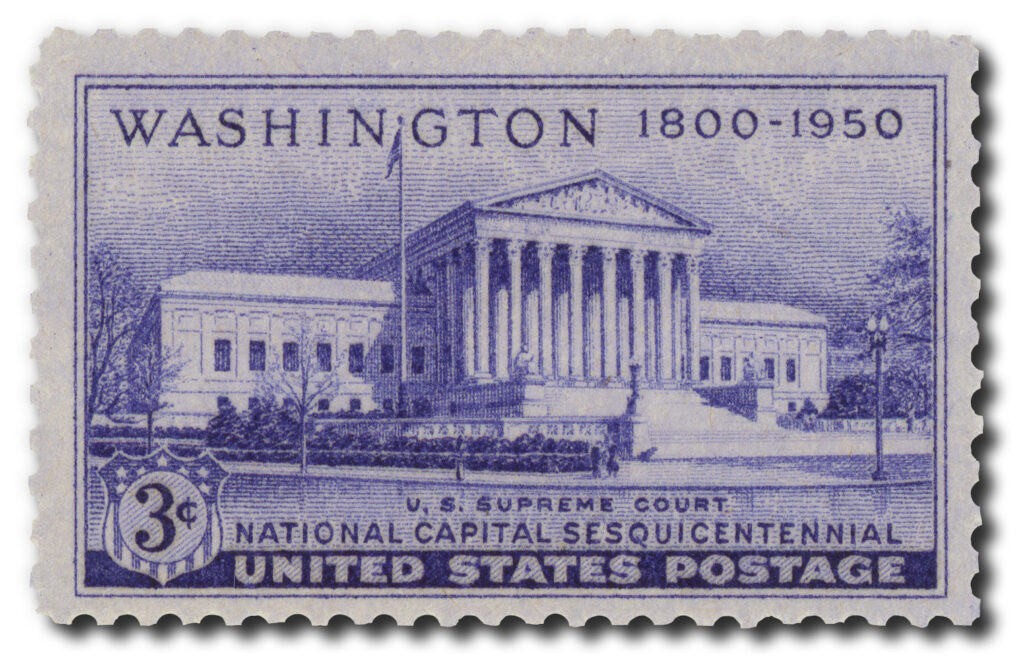
As the Court became more conservative, Marshall increasingly expressed his views through dissents. He retired in 1991 because of declining health. Marshall died of heart failure on January 24, 1993, at age 84. His career connected two major chapters of American legal history: the courtroom campaign against Jim Crow and nearly a quarter-century of service on the nation’s highest court.
| FREE printable This Day in History album pages Download a PDF of today’s article. Get a binder or other supplies to create your This Day in History album. |
Discover what else happened on This Day in History.
Great information. Thank you.
I bet Justice Marshall was discrimination against at time while he was on the supreme court. Thank God for making him the first Black America to serve on the supreme court.
Good history. Like many other Americans, Thurgood Marshall impacted my life. Thanks.
Marshall was definitely a modern day backbone for the cause.
Not only a cause, but the law as well. He knew the difference between right and wrong until those on the court today.