

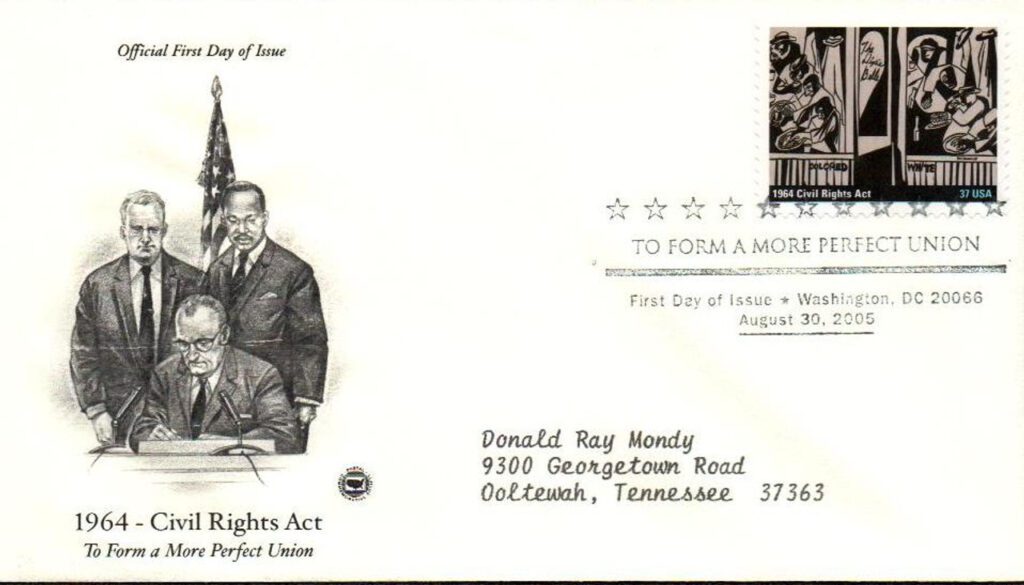
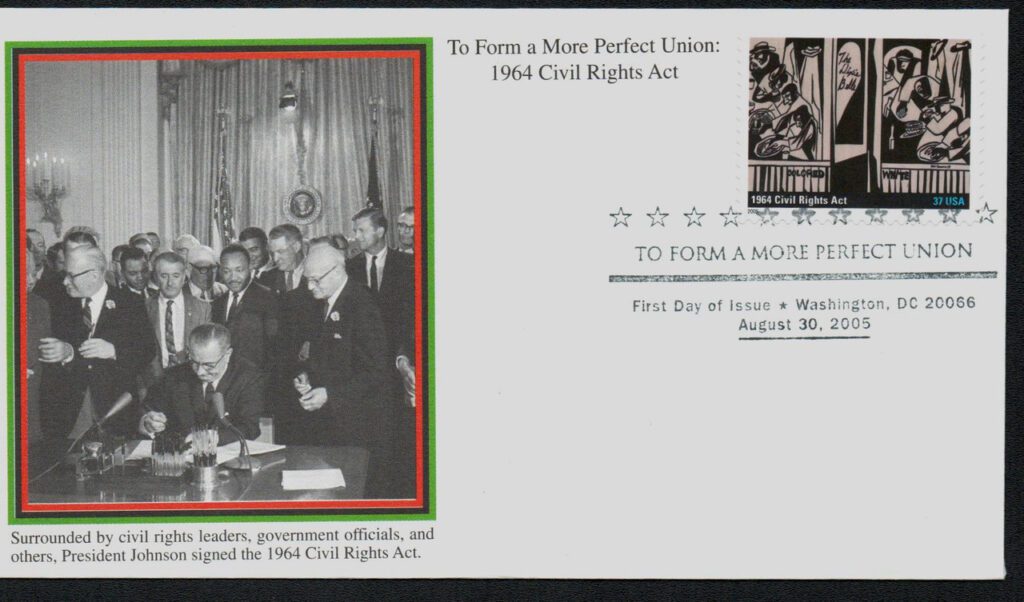
On July 2, 1964, President Lyndon B. Johnson signed the Civil Rights Act into law, fulfilling a goal set by his predecessor, John F. Kennedy. The law did not end discrimination by itself, but it gave the federal government stronger tools to challenge segregation and unequal treatment.
Early in his political career, Kennedy did not speak often or forcefully about civil rights. Like many national politicians, he worried about losing support from Southern Democrats. But his presidency came during one of the most intense periods of the Civil Rights Movement. As protests, court battles, and violence drew national attention, Kennedy was forced to respond more directly.
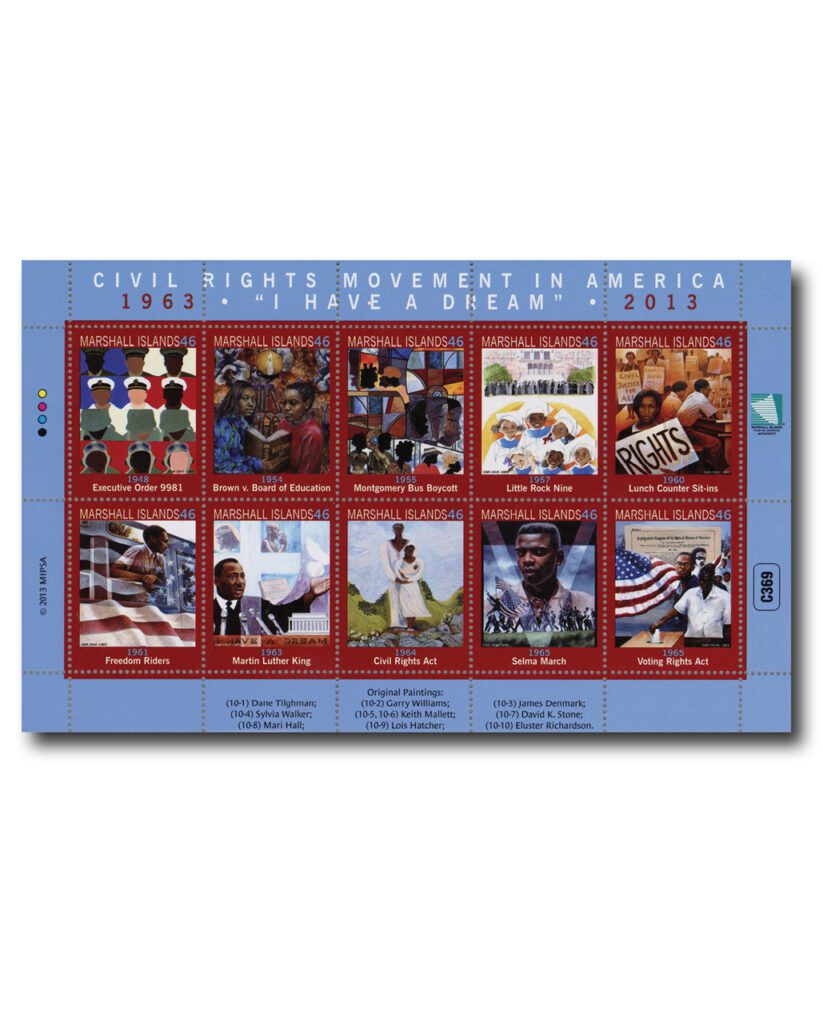
One of his first major civil rights tests came in 1961 with the Freedom Rides. Groups of Black and white activists rode interstate buses through the South to test Supreme Court rulings that had banned segregation in interstate travel. In several cities, riders were attacked by mobs. Some were beaten, and others were arrested. The violence showed that federal law was not being enforced in many Southern communities.

Kennedy’s administration at first urged caution. The president wanted to avoid a wider political crisis. But as the attacks continued, he sent federal marshals to protect the riders. His administration also pressured the Interstate Commerce Commission to issue stronger rules against segregation in bus terminals. Kennedy often framed these actions as matters of law and order. Still, each step drew the federal government deeper into the civil rights struggle.
In 1962, Kennedy faced another major confrontation. James Meredith, an African American Air Force veteran, sought to enroll at the University of Mississippi. State officials tried to block him. Violence broke out on campus when Meredith arrived under federal protection. Kennedy sent federal marshals and troops to restore order and protect Meredith’s right to attend the university.
By 1963, civil rights protests had become impossible for the White House to treat as a side issue. In Birmingham, Alabama, activists led a campaign against segregation. Police used fire hoses and dogs against demonstrators, including children and teenagers. Images from Birmingham shocked much of the nation and embarrassed the United States abroad during the Cold War.
Another crisis came in June 1963 at the University of Alabama. A federal court had ordered the school to admit two African American students, Vivian Malone and James Hood. Alabama Governor George Wallace tried to block their registration by standing in a doorway on campus. Kennedy federalized the Alabama National Guard, and Wallace stepped aside. Malone and Hood were then able to register.

That night, June 11, 1963, Kennedy addressed the nation on television and radio. He described civil rights as more than a legal problem. It was, he said, a moral issue “as old as the Scriptures and as clear as the American Constitution.” He asked Americans to consider whether they would want to be treated differently because of their race. The speech marked one of the strongest civil rights statements of his presidency.
On June 19, 1963, Kennedy sent a civil rights bill to Congress. The proposal called for stronger protections in public accommodations, voting rights, school desegregation, and federally funded programs. Kennedy argued that the country could not claim to support freedom around the world while denying equal treatment at home.
The bill faced strong opposition in Congress, especially from Southern lawmakers. Kennedy continued to push for it, but he was assassinated in Dallas on November 22, 1963, before it could become law.
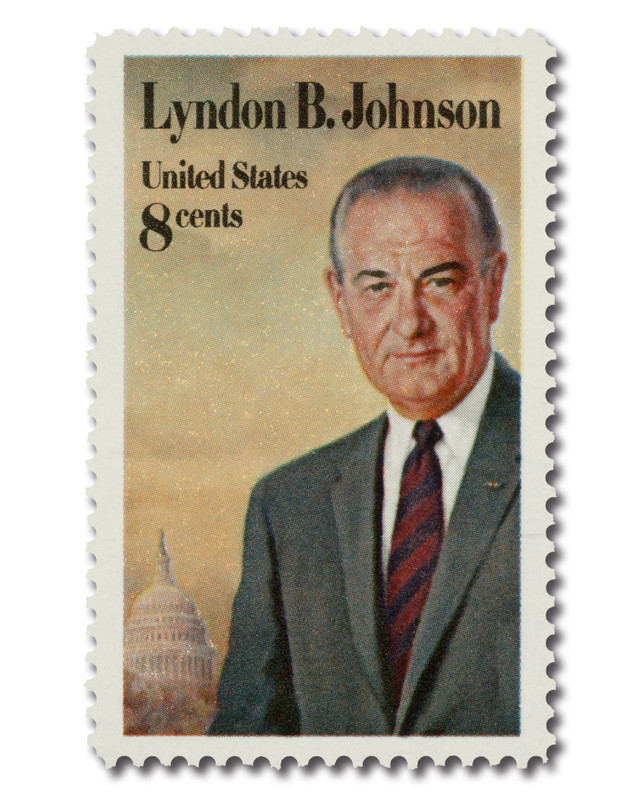
Lyndon B. Johnson then made passage of the bill one of his first major goals as president. On November 27, 1963, he told Congress that no speech or memorial could better honor Kennedy than passing the civil rights bill. Johnson used his long experience in Congress to press lawmakers for action.
The House passed the bill in February 1964. In the Senate, Southern opponents launched a long filibuster to delay or defeat it. Supporters, including Democratic Senator Hubert Humphrey and Republican Senator Everett Dirksen, worked to gather enough votes to end debate. On June 10, the Senate voted for cloture, the first time it had ended a filibuster on a civil rights bill. The Senate passed the bill on June 19.
After final House approval, Johnson signed the Civil Rights Act of 1964 at the White House on July 2. The law banned segregation in places such as hotels, restaurants, and theaters. It strengthened school desegregation efforts and barred discrimination in programs receiving federal funds. Title VII banned employment discrimination based on race, color, religion, sex, or national origin and created the Equal Employment Opportunity Commission.
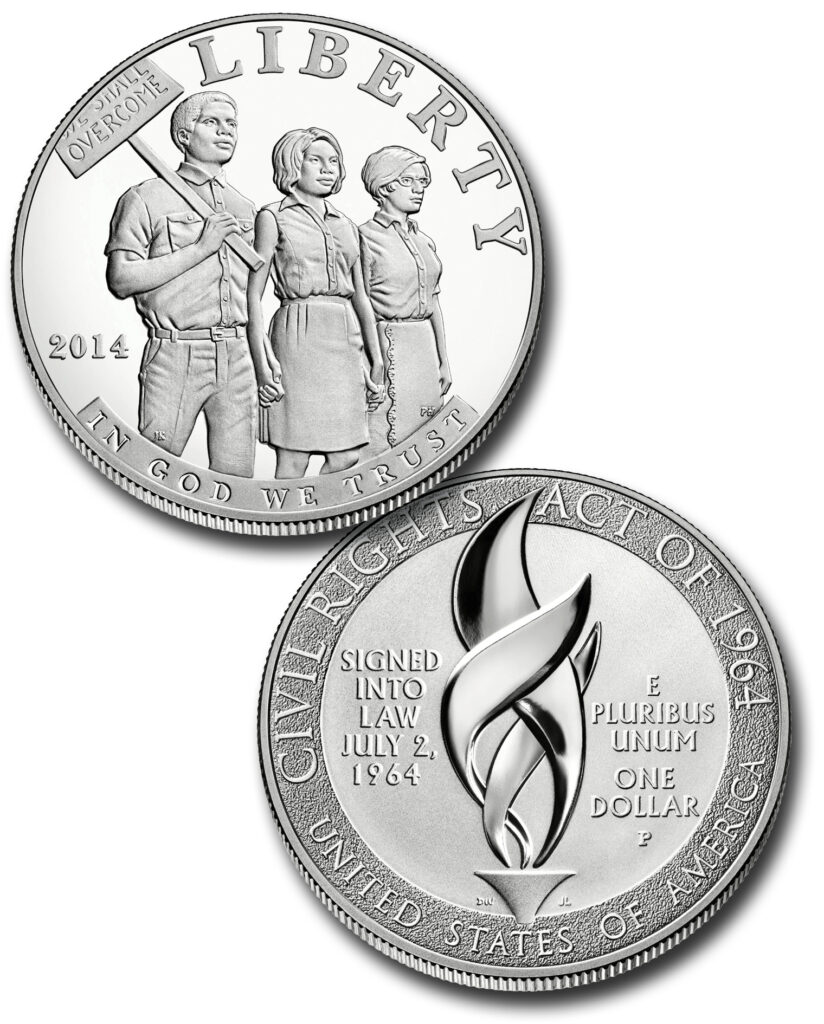
The Civil Rights Act of 1964 was the result of many forces: years of activism, court decisions, public protest, political pressure, and presidential action. Kennedy helped bring the issue before Congress. Johnson helped push the bill across the finish line. Most of all, the law reflected the work and sacrifice of countless Americans who demanded that the nation live closer to its stated ideals.
Click here to read the full text of the act.
| FREE printable This Day in History album pages Download a PDF of today’s article. Get a binder or other supplies to create your This Day in History album. |
Discover what else happened on This Day in History.
It’s been 55 years and their are people who believe things aren’t much better now than they were then. I happen to feel like things are much better now. We’ve even had a black president for two terms. Unfortunately, no female president yet.
Would that we could and would (repetition intentional) eliminate references to race, gender, age, ethnicity, etc. when and where appropriate. We are all God’s creation of the human race and, although I also believe that the unique races and ethnicities should be safeguarded as each has unique qualities to bring to the table, those identification items should not bar anyone from access to all the rights and privileges of citizenship in the good ol’ USofA. And, although somewhat but not directly, related, all who desire to share in those rights and privileges of citizenship should, according to the established laws and procedures, pursue such.
excellent article!!!!!!! THANK YOU
A long overdue law that, along with the Voting Rights Act of 1965, made effective the 14th & 15 Amendments of the Constitution that had been added back during Reconstruction. One qualm about the article. The Civil Rights Movement did not became violent in 1963. The reaction to it did so.
“The House bill passed in February 1964, but Southern senators delayed the bill with a two-month filibuster. Hubert Humphrey, Everett Dirksen, and others submitted a new bill that they believed could get enough Republican swing votes to gain passage.”
What you FAIL to mention is that those Senators that tried to block it with a Filibuster were
Democrats led by AL Gore, Sr. and that the act would NOT have been passed if it weren’t for
Republican Senators. Most of the others mentioned were indeed Republican Senators, who were the minority party in the Senate, but got the bill passed over Democrat protest.
Thank you.
Hey guys, get your history books out. You ever heard of “Dixiecrats”? They were members of the Klan and religious leaders, who like today, twist every word in the Bible to meet their personal agenda. Johnson was right and so was Truman who at a Klan meeting stood in front of the crowd and said, only stupid people would spend $50 for a white sheet that you could get at any five-and-dime!
According to Bill Moyers, Lyndon Johnson observed that the passage of the Civil Rights Act would turn Southern Democrats into Southern Republicans. Consequently, there would be a significant worldview reorientation of the major political parties. It looks as if he was right.
Until we leave cultural identifiers BEHIND the true test of citizenship of being an AMERICAN first we will continue to divide the strata that makes this country the greatest place to live in the world. Count your blessings every day that your individual soul was placed here and nowhere else in the world.
July 3, 2026. Yes, I do thank the Lord I was born in America…frequently.
Protect our ideals and no shadow governing.