

On July 23, 1904, according to one popular account, an ice cream seller at the St. Louis World’s Fair found a tasty solution to serving ice cream without a dish. The familiar cone was not truly invented there, but the enormous fair helped turn it into a popular American treat.
Officially called the Louisiana Purchase Exposition, the fair celebrated the centennial of the United States’ purchase of a vast territory from France in 1803. It opened on April 30, 1904, and continued through December 1. The grounds covered about 1,270 acres in Forest Park and on nearby Washington University property. More than 19.5 million people attended during its seven-month run.
Visitors came to see exhibition halls, international displays, machinery, electric lighting, amusement rides, and demonstrations. They also encountered an extraordinary range of food. The fair is often credited with introducing hamburgers, hot dogs, peanut butter, iced tea, cotton candy, and ice cream cones. Most of these foods already existed. What the exposition provided was a huge audience that could sample products and carry enthusiasm for them home.
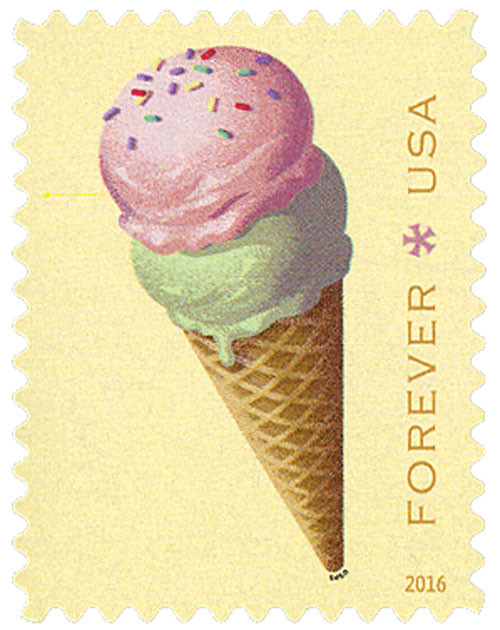
The ice cream cone has the strongest connection to the fair, but its exact origin remains uncertain. Edible containers for frozen desserts had appeared before 1904. British cook Agnes B. Marshall published instructions for “cornets with cream” in 1888. In New York, Italian immigrant Italo Marchiony sold ice cream in edible wafer cups and received a patent for a molding device in 1903. His cups had flat bottoms and small handles.
At St. Louis, several vendors later claimed that they had independently combined ice cream with a rolled wafer. One story credits Charles E. Menches, who sold ice cream at the fair with his brother Frank. According to some accounts, Menches placed two scoops of ice cream inside a rolled pastry cone. Other retellings say he was inspired after seeing children place ice cream into openings in small cakes.
A better-known version credits Ernest A. Hamwi, a 16-year-old Syrian immigrant. Hamwi sold zalabia, a thin, crisp, waffle-like pastry, at the “Constantinople on the Pike” concession. He later said that a nearby ice cream seller ran out of dishes. Hamwi supposedly rolled a warm pastry into a funnel shape and offered it as an edible container. Vendors soon began selling the combination as an ice cream “cornucopia.”
Abe Doumar, another Syrian immigrant at the fair, also claimed a role. According to the Smithsonian, Doumar may have suggested combining the rolled waffle with ice cream. He later carried the method to the East Coast and developed equipment that made cone production faster. His family eventually opened Doumar’s Cones and Barbecue in Norfolk, Virginia.
Other claimants included Arnold Fornachou, David Avayou, and the brothers Albert and Nick Kabbaz. Their stories were often recorded years after the exposition, and surviving evidence does not identify one definite inventor. Several vendors may have reached the same simple idea during the hot, crowded summer. Rolled wafers were already known, ice cream was widely sold, and disposable dishes were uncommon.
The new serving method offered clear advantages. Ice cream was often served in reusable glass dishes known as “penny licks.” These had to be returned, rinsed, and used again. A cone allowed customers to carry their dessert through the fair without a dish or spoon. Vendors had fewer bowls to wash, and the container became part of the treat. A St. Louis newspaper described fairgoers eating ice cream from an inverted cone of hard cake that resembled a rolled waffle.
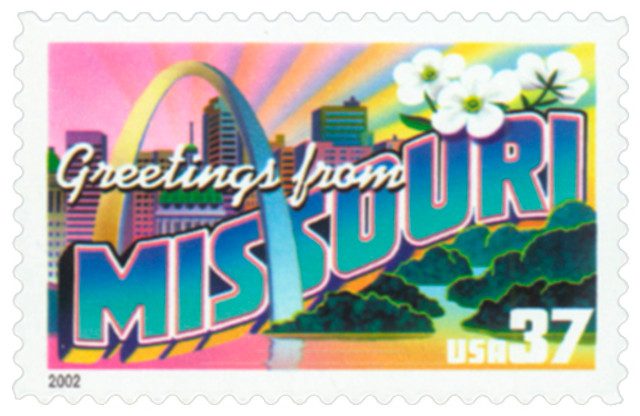
After the fair, manufacturers developed machines that could bake and shape cones in large quantities. The portable dessert soon appeared at amusement parks, seaside resorts, and county fairs. In 2008, Missouri officially named the ice cream cone its state dessert in recognition of its connection to the exposition.
| FREE printable This Day in History album pages Download a PDF of today’s article. Get a binder or other supplies to create your This Day in History album. |
Discover what else happened on This Day in History.
Formally known as Mr. Softee but his friends just called him Nutty Buddy.