
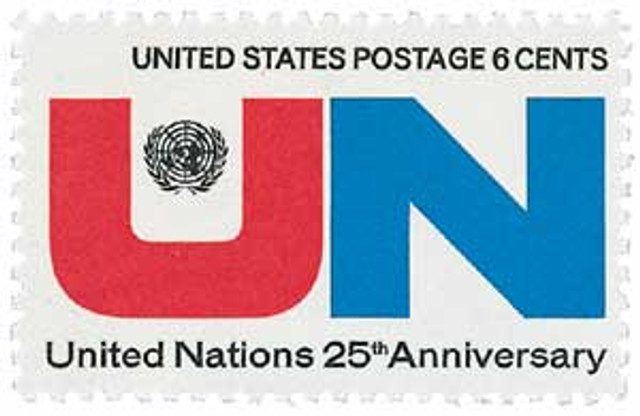
On June 26, 1945, 50 countries signed the United Nations Charter. After two world wars in less than 30 years, their goal was not to create a perfect world, but to build a place where nations could confront crises before they became another global war.
The idea grew out of the failure of the League of Nations. The League had been created after World War I to settle disputes and preserve peace. But it had no armed force of its own, and several major powers either never joined or later withdrew. During the 1930s, it could not stop Japan’s expansion in Asia, Italy’s invasion of Ethiopia, or Nazi Germany’s aggression in Europe. By the time World War II began in 1939, many leaders believed a stronger international organization would be needed after the war ended.
The name “United Nations” first described the Allied countries fighting the Axis powers. President Franklin D. Roosevelt suggested the term in December 1941, shortly after the United States entered the war. Roosevelt and British Prime Minister Winston Churchill had already announced the Atlantic Charter earlier that year. It called for no territorial gains, self-government for peoples, freer trade, better economic cooperation, and lasting peace.
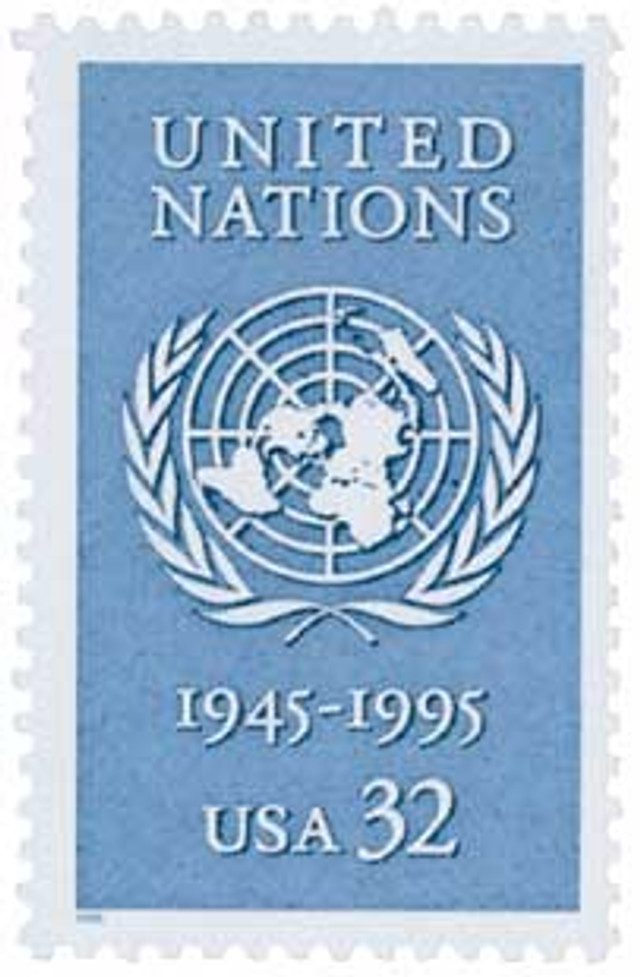
On January 1, 1942, 26 countries signed the Declaration by United Nations. They pledged to use their full resources against Germany, Italy, and Japan. They also promised not to make a separate peace with the enemy. Over the next three years, more countries joined that declaration. The phrase “United Nations” slowly changed from a wartime alliance into the name of a future peace organization.
Allied leaders discussed that organization at several wartime meetings. At Moscow in 1943, the United States, United Kingdom, Soviet Union, and China called for a general international organization to maintain peace and security. At Tehran later that year, Roosevelt, Churchill, and Joseph Stalin discussed the idea again. In 1944, representatives from the United States, United Kingdom, Soviet Union, and China met at Dumbarton Oaks in Washington, DC. There, they drafted the basic plan for the new organization.
The final work began in San Francisco on April 25, 1945. Delegates from 50 countries gathered for the United Nations Conference on International Organization. They met while the war was still underway. Germany surrendered during the conference, on May 8, but the fighting against Japan continued. Many delegates had seen what modern war had done to cities, soldiers, and civilians. They also knew about the horrors of the Holocaust and the suffering caused by occupation, forced labor, bombing, and famine.
The delegates did not start from nothing. They worked from the Dumbarton Oaks proposals and later agreements made at Yalta. Still, there were difficult questions. How much power should the strongest countries have? How could smaller countries be heard? What rights should belong to all people? How could the new organization act without becoming a world government?
One important debate centered on human rights. The original proposals did not go as far as many reformers wanted. Smaller countries, especially from Latin America, pushed for a clearer statement of rights. So did many non-governmental groups. In the United States, dozens of organizations served as consultants to the American delegation. They urged the conference to include language about the dignity and rights of every person.
Their efforts helped shape the final Charter. The opening words began, “We the peoples of the United Nations.” That phrase was important. It did not say only “we the governments.” The Charter said the United Nations was determined to save future generations from the “scourge of war.” It also pledged support for fundamental human rights, equal rights for men and women, respect for treaties and international law, and better standards of life.
The Charter created six main parts of the United Nations. The General Assembly gave all member countries a place to speak and vote. The Security Council was given primary responsibility for international peace and security. Its five permanent members were China, France, the Soviet Union, the United Kingdom, and the United States. Each received veto power. The Charter also created the Economic and Social Council, the Trusteeship Council, the International Court of Justice, and the Secretariat, led by the secretary-general.
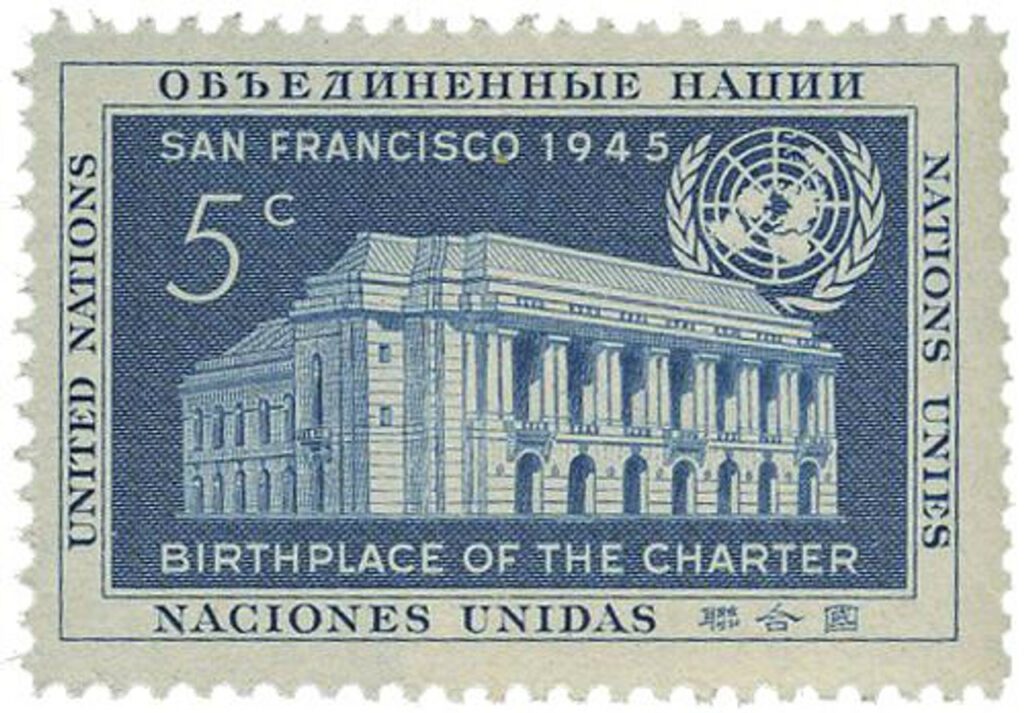
On June 26, 1945, the 50 countries present in San Francisco signed the Charter. Poland had not been represented at the conference, but it signed later and became one of the 51 original members. The Charter still needed ratification before it could take effect. It had to be approved by China, France, the Soviet Union, the United Kingdom, the United States, and a majority of the other signing countries.
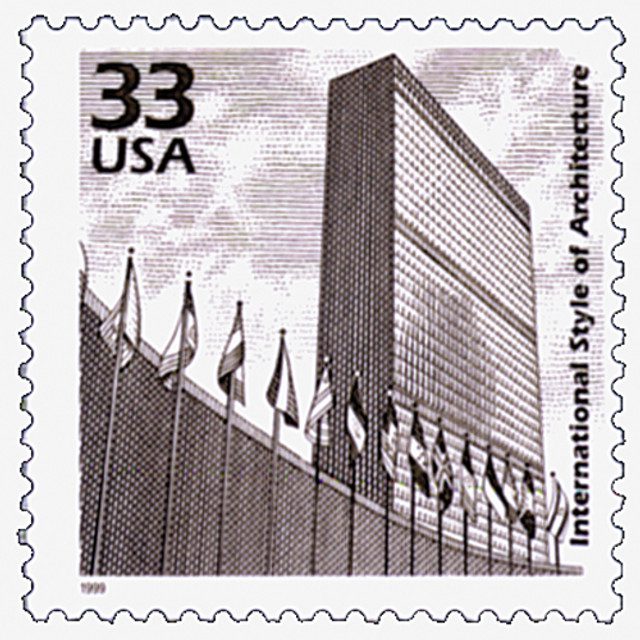
That happened on October 24, 1945. The date is now observed as United Nations Day. The first meeting of the General Assembly opened in London on January 10, 1946. Representatives from the original member countries gathered in a world still recovering from the war. They faced urgent questions about refugees, hunger, rebuilding, colonial territories, atomic energy, and the beginning tensions of the Cold War.
Since 1945, the United Nations has taken on work far beyond its first meetings. It has helped negotiate cease-fires, send peacekeepers into conflict zones, support refugees, fight hunger and disease, monitor elections, coordinate disaster relief, protect children, and promote international agreements on human rights, trade, aviation, labor, health, culture, and the environment. Its record has not been perfect. The UN has often been limited by disagreements among powerful countries, funding problems, and the difficulty of acting in civil wars. Still, it has remained a central forum where nearly every country can bring disputes, debate world problems, and work through shared agencies.
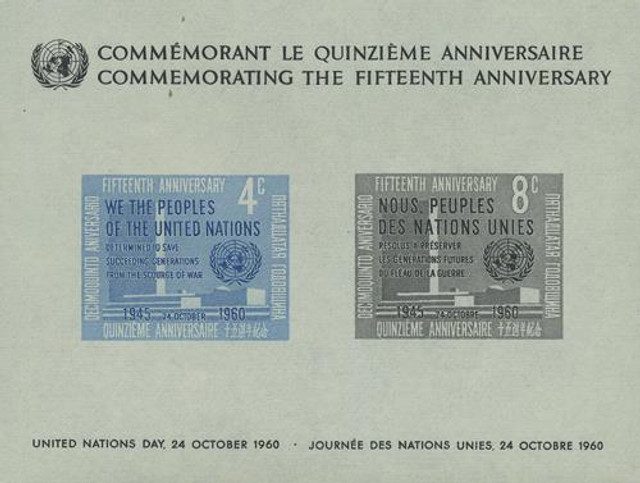
Today, the United Nations has 193 member states, making it one of the world’s most universal international organizations. The larger UN system includes the United Nations itself, along with many funds, programs, specialized agencies, and related organizations. Seventeen specialized agencies work with the UN through formal agreements, including groups focused on food and agriculture, health, labor, aviation, education, finance, communications, and development. The United Nations began with the hope of preventing another world war. More than 80 years later, it remains an imperfect but important effort to solve problems that no nation can solve alone.
Click here for more United Nations stamps and covers.
| FREE printable This Day in History album pages Download a PDF of today’s article. Get a binder or other supplies to create your This Day in History album. |
Discover what else happened on This Day in History.
Excellent piece of work
What countries are not signed up?
The United Nations is a wonderful organization for the work they do fostering peace and human rights. I toured the UN in NY some years ago where I learned so much. United Nations stamps are beautiful and always informative. Thank you for this article.
Despite its constant criticism, the U.N. is a wonderful institution.
Will England leaving the EU bring about new stamps?
THere is only one State that does not have voting rights, and that state is Palestine. Given today’s current environment, maybe its time to change that.
Voting Rights in U.S. is falling apart as well. Maybe we should change that!