
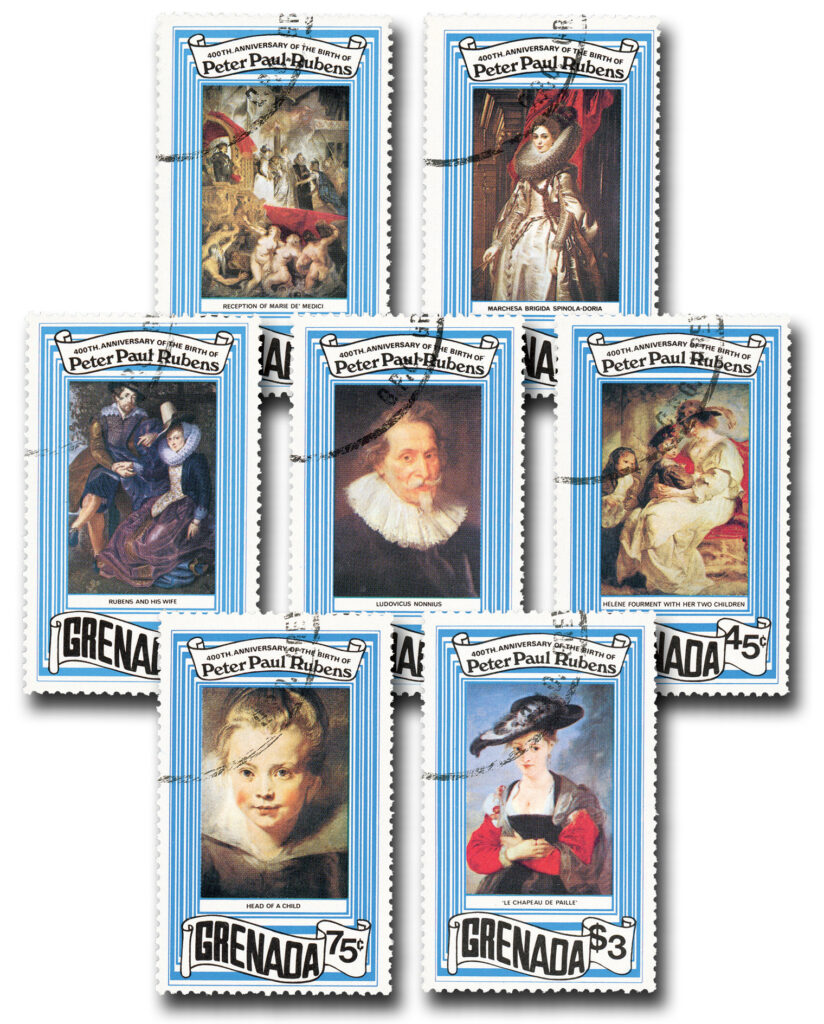
Flemish artist Peter Paul Rubens was born on June 28, 1577, in Siegen, Nassau-Dillenburg, in the Holy Roman Empire. He would become one of Europe’s most sought-after painters, known not only for dramatic Baroque art, but also for work as a trusted diplomat.
Rubens was born during a time of religious conflict in the Low Countries. His parents, Jan Rubens and Maria Pypelincks, had left Antwerp after persecution of Protestants increased under Spanish Catholic rule. After his father’s death, Rubens’ mother returned with her children to Antwerp. There, Rubens was raised in a Catholic city, and he later became Catholic himself. Religion would become one of the major subjects of his art.
Rubens received a strong education before he became a painter. He studied Latin, classical literature, and the manners expected of a gentleman. For a short time, he served as a page in a noble household. That training helped him later in life, when he moved easily among princes, kings, church leaders, and ambassadors.
At about age 14, Rubens began formal art training in Antwerp. He studied under several painters, including Tobias Verhaecht, Adam van Noort, and Otto van Veen. Van Veen was especially important because he had studied in Italy and knew classical history and Renaissance art. Rubens learned by drawing, copying, and studying the work of earlier masters. In 1598, he became an independent master in Antwerp’s Guild of St. Luke.
In 1600, Rubens traveled to Italy, where his art changed in important ways. He entered the service of Vincenzo I Gonzaga, Duke of Mantua. The duke allowed him to study major collections and sent him to cities such as Rome, Florence, and Venice. Rubens closely examined the work of Titian, Veronese, Tintoretto, Michelangelo, Raphael, and ancient sculptors. From them, he learned bold color, strong movement, muscular figures, and dramatic composition.
Italy also gave Rubens his first major opportunities outside Flanders. In Rome, he worked on religious paintings and altarpieces. In 1603, the Duke of Mantua sent him to Spain with gifts for King Philip III. Rubens used the trip to study the Spanish royal art collection, especially paintings by Titian. It was the first of several missions in which art, politics, and diplomacy came together.
Rubens returned to Antwerp in 1608 after hearing that his mother was ill. She died before he arrived. He chose to remain in the city, and in 1609, Archduke Albert and Archduchess Isabella appointed him court painter. This gave him income, status, and freedom to stay in Antwerp rather than live full-time at court.
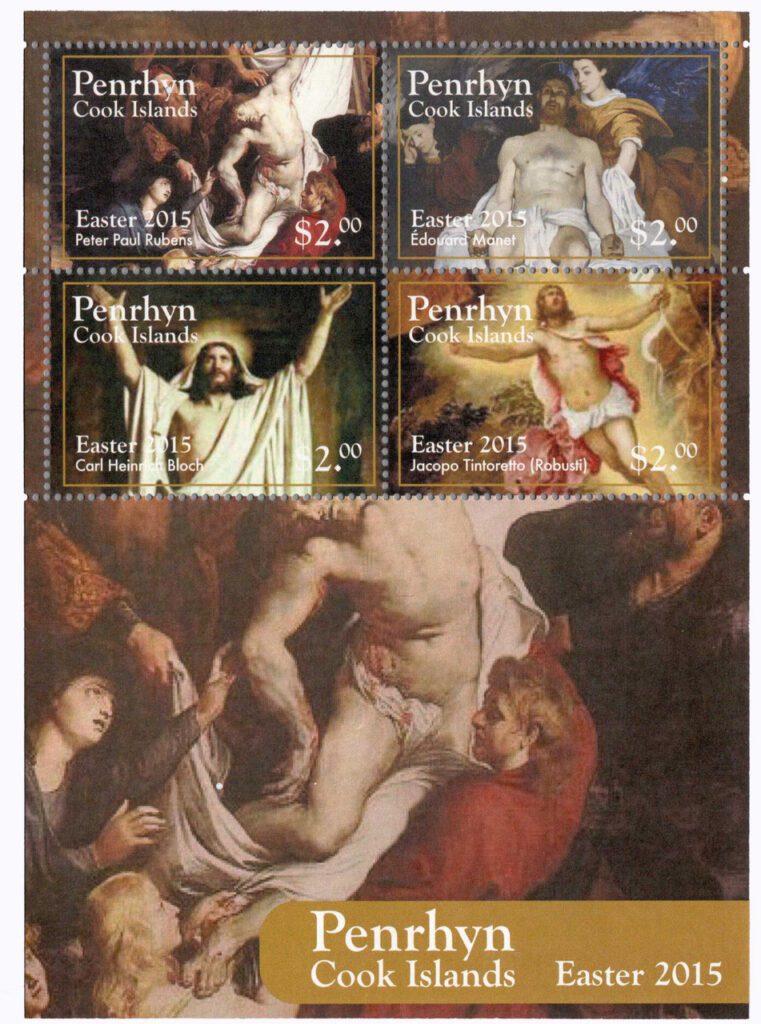
The next decade made Rubens famous. He married Isabella Brant, built a large house and studio, and organized a busy workshop. Assistants helped prepare large commissions, while Rubens designed the compositions and often painted the most important parts himself. His great Antwerp altarpieces, including The Raising of the Cross and The Descent from the Cross, showed his mature style. Figures twist and strain. Light falls sharply. Emotion is strong, but controlled.
Rubens also understood how to spread his reputation. He worked with skilled engravers to make prints after his paintings. These images carried his designs across Europe. He also painted portraits, mythological scenes, royal decorations, hunting scenes, and religious works for churches and rulers.
In the 1620s, Rubens’ career expanded again. Marie de’ Medici, queen mother of France, commissioned him to paint a large cycle about her life for the Luxembourg Palace in Paris. At nearly the same time, Rubens was drawn into diplomacy. Because he was educated, multilingual, and trusted by rulers, he carried messages between courts. He worked especially to improve relations between Spain and England. King Charles I knighted him in 1630, and Rubens later received honor from King Philip IV of Spain as well.
Rubens spent his final years mostly in and around Antwerp. After his first wife died, he married Helena Fourment in 1630. He later bought a country estate, Het Steen, and painted warm landscapes and family scenes. These later works were often more personal and peaceful than his grand public commissions.
Rubens died in Antwerp on May 30, 1640, after years of illness. He left behind one of the largest and most influential bodies of work in European art. More than 1,400 paintings and designs are associated with him and his workshop. His style helped define the Flemish Baroque: energetic, colorful, learned, religious, and deeply theatrical. Rubens was not only a painter of movement and drama. He was also a man who turned art into a language understood by churches, courts, and nations.
Click here to view more of Rubens’ art.
| FREE printable This Day in History album pages Download a PDF of today’s article. Get a binder or other supplies to create your This Day in History album. |
Discover what else happened on This Day in History.
Interesting article. I realized at the end that it was the first article I can recall that did not feature an image of a US stamp!
Interesting article. It is ‘unusual’ that an image of a US stamp was not included in this piece of literature. Ruben’s must have lived a very interesting life with his many duties he accumulated.
Thanks for the info.