
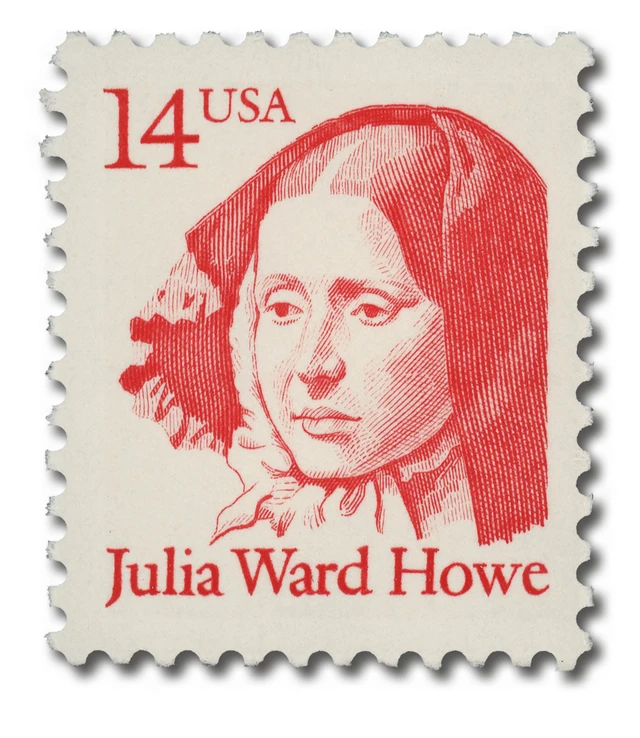
Poet and reformer Julia Ward Howe died in Portsmouth, Rhode Island, on October 17, 1910. Best known for “The Battle Hymn of the Republic,” she also spent decades organizing for women’s rights and peace.
Howe was born in New York City on May 27, 1819. Her father, Samuel Ward, was a wealthy banker, and her mother, Julia Rush Ward, wrote poetry. Her mother died when Julia was five, and an aunt helped raise her. Private tutors and girls’ schools gave Howe a strong education in literature and languages. Her father’s strict religious rules limited what she could read, but her brother’s library introduced her to books beyond the family’s Calvinist teachings.

In 1843, Howe married Samuel Gridley Howe, a physician, educator, and reformer who worked on behalf of people who were blind and prisoners. They had six children. Their marriage was difficult in part because Samuel expected Julia to focus on home and family, while she wanted to write, speak, and take part in public life. She published poetry, plays, and stories, sometimes anonymously. Her writing explored women’s limited choices and her own unhappiness in marriage. Samuel objected to her literary work and public activities, but Howe continued to publish.
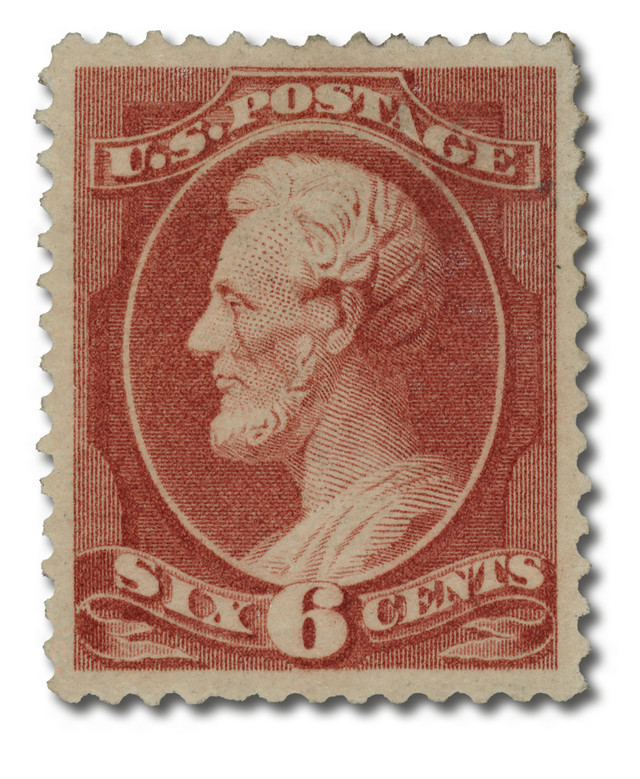
In November 1861, Howe traveled to Washington, DC, with her husband and their friend, Unitarian minister James Freeman Clarke. The group met President Abraham Lincoln and watched a review of Union troops. During the trip, they heard soldiers singing “John Brown’s Body,” a popular marching song set to a tune used in religious gatherings. Clarke suggested that Howe write new words for the melody.

Howe later recalled waking before dawn with lines of a poem in her mind. She wrote them down in the dim light of her hotel room. The result was “The Battle Hymn of the Republic,” a poem with vivid biblical images of judgment and the Union’s cause. The Atlantic Monthly published it in February 1862. The song quickly circulated among Union supporters and became closely associated with the Northern war effort. The familiar melody was already popular; Howe supplied the new lyrics.
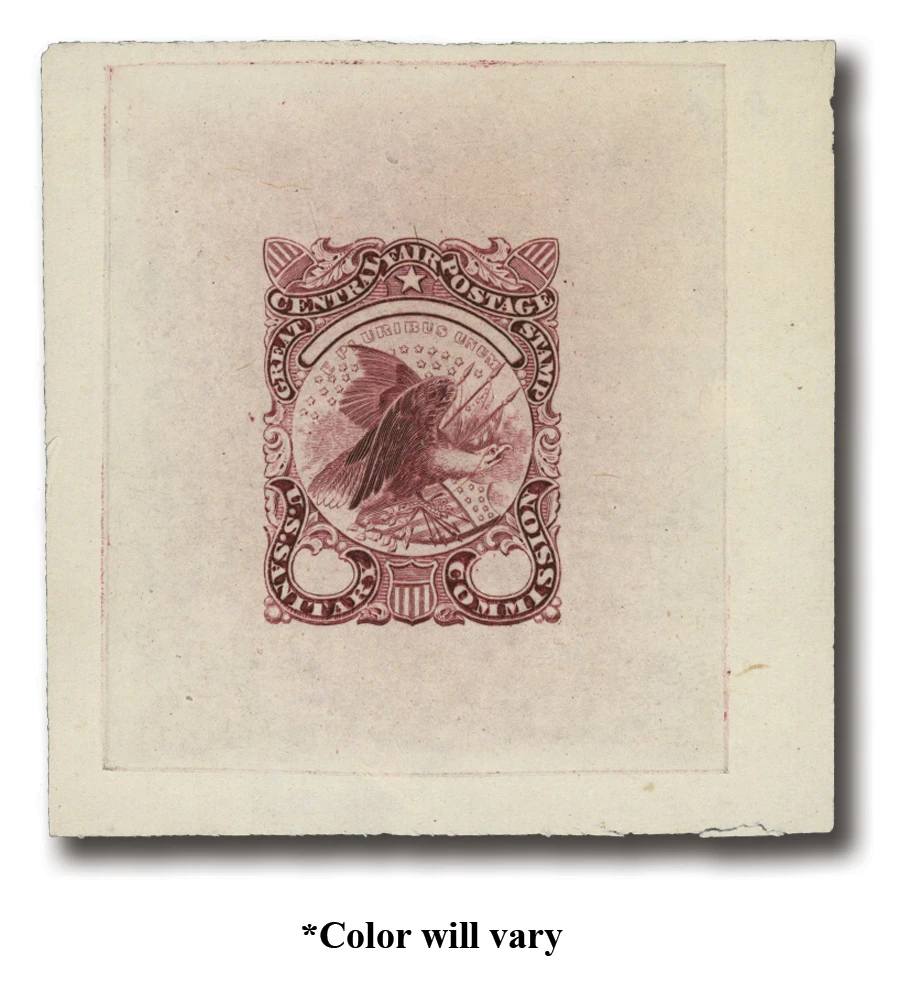
The hymn brought Howe wider recognition, but her work did not stop with writing. During the Civil War, she also supported the US Sanitary Commission, which worked to improve conditions for Union soldiers and hospitals. After the war, she became a leading organizer in the women’s rights movement. In 1868, she helped establish the New England Woman Suffrage Association and became its first president. She later helped form the American Woman Suffrage Association with Lucy Stone. Howe favored passage of the Fifteenth Amendment, which secured voting rights for Black men. This position placed her within one side of a major debate among suffragists, as many opposed granting the right to Black man before extending the right to women.
Howe helped found the Woman’s Journal, a newspaper devoted to women’s rights, and edited it for about twenty years. She also organized the Association for the Advancement of Women, which promoted women’s education and professional opportunities. In 1870, she issued an “Appeal to Womanhood throughout the World,” later known as the Mother’s Day Proclamation. It urged women to unite across national boundaries and work for peace.
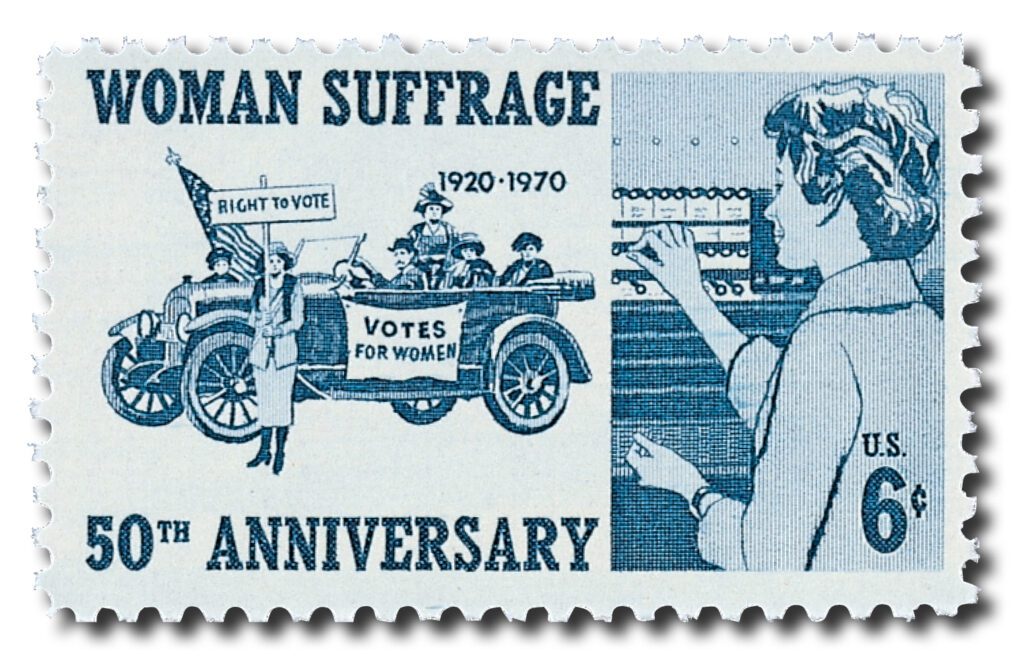
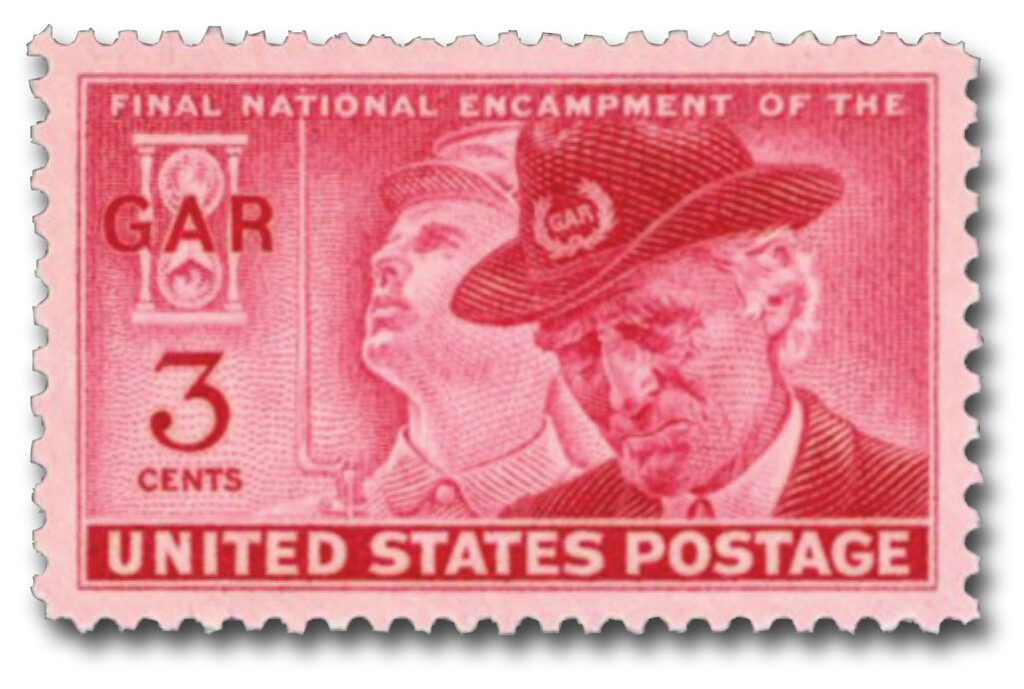
In 1908, Howe became the first woman elected to the American Academy of Arts and Letters. She died at Oak Glen, her summer home in Portsmouth, two years later, at age ninety-one, after a bout of pneumonia. At her memorial service in Boston, more than 4,000 people sang “The Battle Hymn of the Republic.” In 1917, her daughters Laura E. Richards and Maud Howe Elliott won the first Pulitzer Prize for biography for their book about their mother.

Click here to read some of Howe’s writing.
| FREE printable This Day in History album pages Download a PDF of today’s article. Get a binder or other supplies to create your This Day in History album. |
Discover what else happened on This Day in History.
The story on Mrs. Howe is one more beautiful example of what stamps and Mystic may teach non-US and US stamp collectors alike. Throughout her life time one had to be an intelligent and brave person with lots of perseverance to come up for women’s Rights. While poetically encouraging the civil war soldiers, as a lady she stood with full support behind the cause that even the founding fathers had not been able to take care of.
These daily moments are outstanding!
I really wish they could be forwarded occasionally to share with family and friends. Or printed. This would be the greatest.
They can be forwarded. They are indeed wonderful insights into history and so well written.