

On October 23, 1941, Dumbo premiered in New York, bringing a flying circus elephant to the screen. The film began as an unpublished story by Syracuse writer Helen Aberson and became a compact production that gave Disney a welcome profit after two costly releases.
The story began in Syracuse. Helen Aberson was born there in 1907 and graduated from Syracuse University’s School of Speech in 1929. She later worked as a radio commentator in the city. In 1938, she and her husband, Harold Pearl, developed a children’s story about a young elephant with enormous ears. Aberson came up with the idea and wrote the story; Pearl made the first drawings.
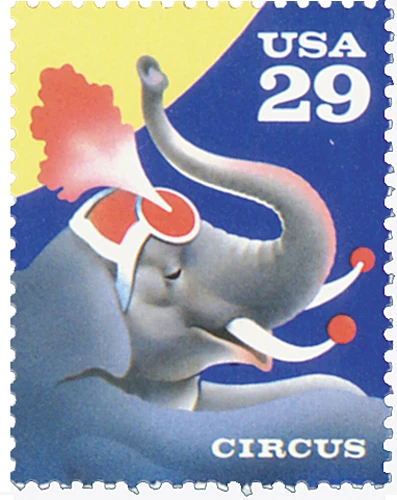
The couple hoped to publish Dumbo, the Flying Elephant through Roll-A-Book, a Syracuse company developing a novelty book. Instead of turning pages, readers would scroll through text and pictures inside a small box. Artist Helen Durney redrew the images for prototype versions. The book was never released in that planned form. Before it went into production, the story was sold to Walt Disney Productions in 1939. Disney acquired the publishing rights as well as the film rights. Aberson and Pearl received a one-time payment, and Aberson later traveled to California as a consultant.
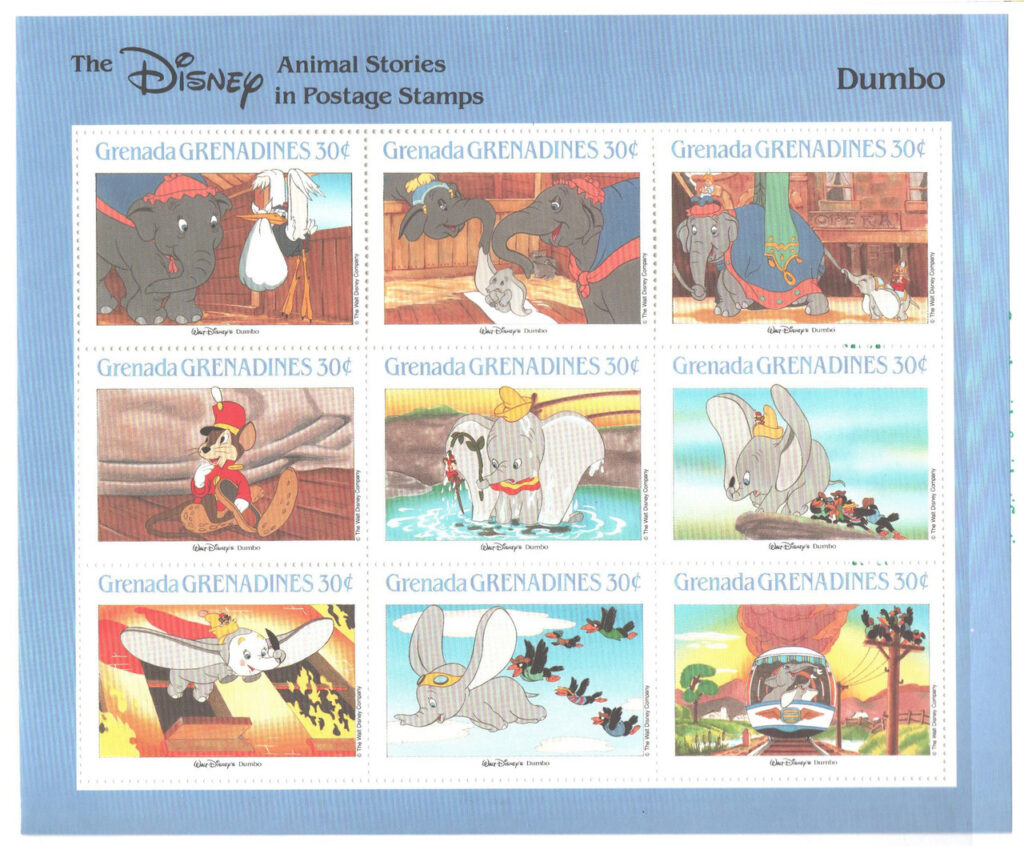
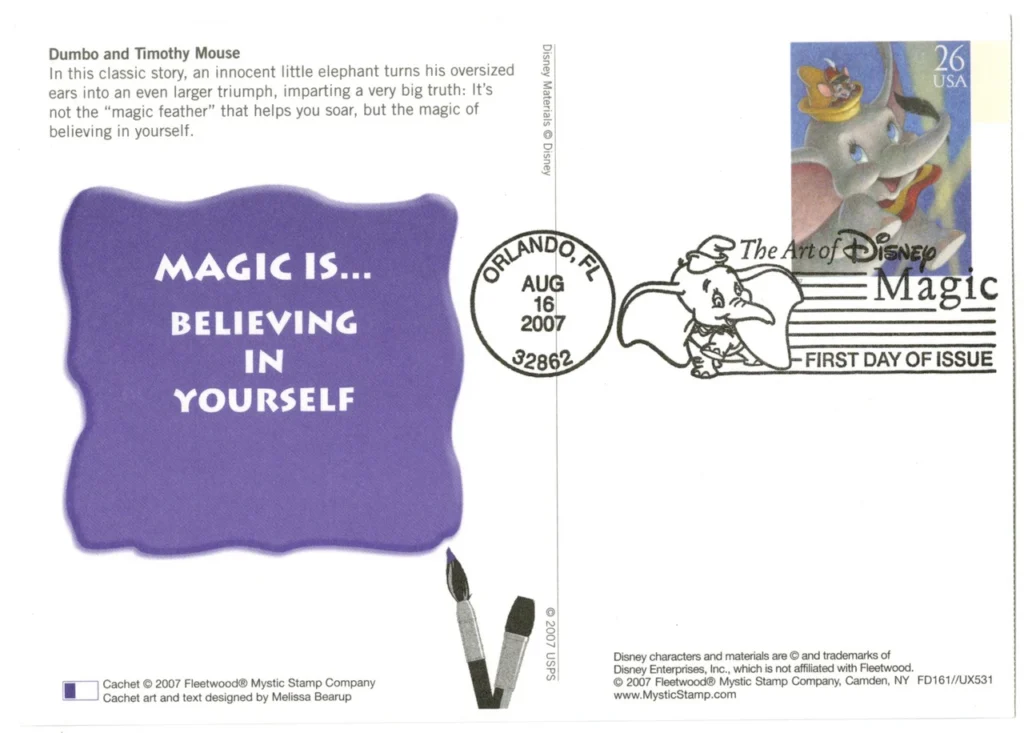
Disney saw the story’s potential for a feature and asked his staff to keep the adaptation simple. The film follows Dumbo, whose oversized ears make him a target for ridicule from the circus’s other elephants. After his mother is taken away, he finds a friend in Timothy Q. Mouse. With Timothy’s encouragement, Dumbo discovers he can fly. The original story used a wise robin named Red as the elephant’s helper; Disney’s team changed the character to Timothy. In the film, Dumbo’s first flight comes after he accidentally drinks water mixed with champagne and sees pink elephants. Timothy later gives him a “magic feather” to help him believe he can fly.
At 64 minutes, Dumbo remains one of Disney’s shortest animated features. The studio had spent heavily on Pinocchio and Fantasia, both released in 1940. World War II had also closed many European markets, cutting off an important source of revenue. Disney wanted a less expensive feature that could be completed quickly. The film’s budget was about $812,000, far below the cost of its recent productions. Its succinct story and clear characters helped speed the work. Artists painted the backgrounds in watercolor, a technique also used on Snow White and the Seven Dwarfs.
Production unfolded amid labor conflict at the Disney studio. In May 1941, nearly half of its art department went on strike, seeking better wages, overtime pay, and clearer rules for job titles and screen credits. Some animators continued working on Dumbo and Bambi during the dispute. The strike ended after several months and led to major changes in the studio’s labor relations.
Bill Tytla, one of Disney’s leading animators, brought Dumbo to life. The film’s music also earned recognition. “Baby Mine,” sung while Dumbo visits his imprisoned mother, was nominated for an Academy Award. The score by Frank Churchill and Oliver Wallace won the Oscar for Best Music.
The New York premiere took place on October 23, 1941; the film opened more widely in US theaters on October 31. Critics praised its humor, music, and emotional story. Its modest production costs and strong audience response made it a commercial success for the studio. The film returned to theaters in 1949, 1959, 1972, and 1976. In December 1941, Time planned to feature Dumbo on its cover, but changed plans after the attack on Pearl Harbor.
There was no theatrical sequel to the original film, but Dumbo appeared in the Disney Channel puppet series Dumbo’s Circus, which premiered in 1985. In 2019, director Tim Burton made a live-action reimagining that expanded the story with a human circus family.
| FREE printable This Day in History album pages Download a PDF of today’s article. Get a binder or other supplies to create your This Day in History album. |
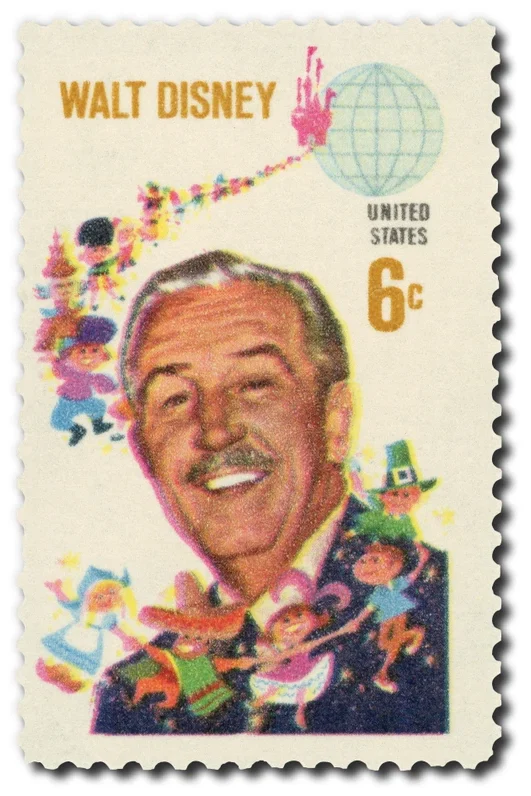
Click here for lots more Disney stamps.
Discover what else happened on This Day in History.
one of the great advantages of stamp collecting is tha you become aware of all types of information. Thank you.
I love reading about Dumbo
Disney’s Dumbo ,was one of the best anamated
cartoons,that was released by Walt Disney
Picture. I think that they shiould put out
another stamp on Dumbo>
I live in Syracuse and read the story to my 93 year Mom& Dad. we all love the story and thank you for another piece of trivia from your wonderful Stamp of the Day”
Cindy
When I saw the subject line I was not expecting the story to be very good. But, yet again, you made it interesting and informative.
I always learn something, in your “This Day”, that I never heard before.
I saw the movie in, I believe, the 1960s and loved it.