
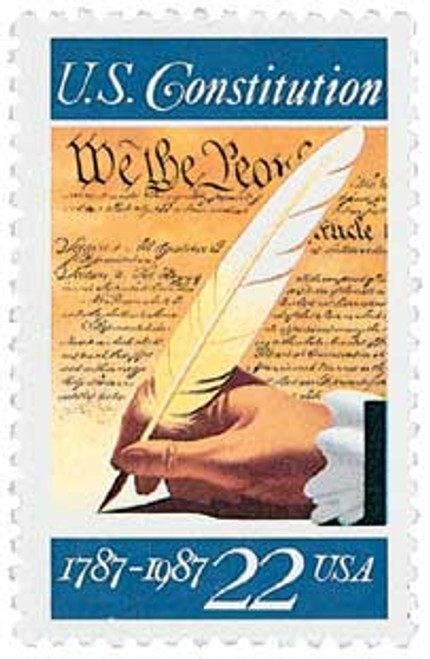
On February 10, 1967, the Constitution gained a long-missing instruction manual for moments of presidential crisis. The ratification of the 25th Amendment finally spelled out who takes power, and how, when a president dies, resigns, or becomes unable to serve.
Before the 25th Amendment, presidential succession was guided more by precedent than by clear law. Article II of the Constitution said that presidential “powers and duties” would devolve on the vice president if the president died, resigned, or was removed. It did not clearly say whether the vice president became president or merely acted as one. When William Henry Harrison died in 1841, Vice President John Tyler insisted he was the new president, not an “acting” president. Congress accepted his claim, and later successions followed that example. Still, this was custom, not constitutional text. The Constitution also said nothing about what to do if a president was alive but unable to govern.

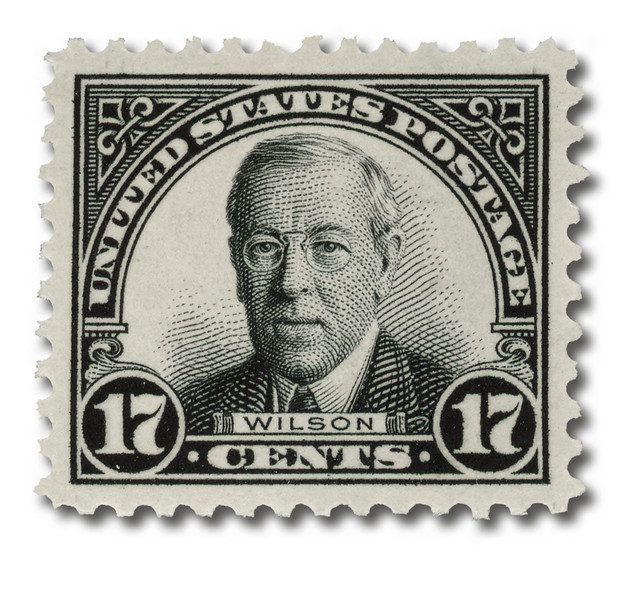
This gap caused serious problems. Several presidents were incapacitated while in office. James Garfield lingered for 80 days after being shot in 1881. Woodrow Wilson suffered a massive stroke in 1919 that left him unable to perform many duties. His wife and close advisers quietly managed access to him, with no legal authority. No one could officially declare him disabled, and the vice president had no clear role. These situations exposed a dangerous weakness in the system.

The issue gained new urgency during the Cold War. Nuclear weapons meant that a delay or confusion at the top could be catastrophic. Popular culture also reflected this anxiety. The 1951 novel The Caine Mutiny showed how unclear authority could paralyze leadership during a crisis. Though fictional and set in the Navy, it reinforced fears about what happens when command breaks down. Real-world events soon made the issue impossible to ignore.
The assassination of President John F. Kennedy on November 22, 1963, was the turning point. Lyndon B. Johnson became president immediately, but the vice presidency remained vacant. Under existing law, there was no way to fill it until the next election. If Johnson had died or become incapacitated, the next in line was the speaker of the House. This alarmed many lawmakers. Senator Birch Bayh of Indiana took the lead in drafting a constitutional amendment to fix these problems.
The 25th Amendment addressed four specific situations. Section 1 stated clearly that the vice president becomes president upon the death, resignation, or removal of the president. This removed any lingering doubt. Section 2 created a process to fill a vacant vice presidency. The president would nominate a new vice president, who would take office after confirmation by a majority of both houses of Congress.

Sections 3 and 4 dealt with presidential inability. Section 3 allowed a president to voluntarily transfer power to the vice president by sending a written declaration to Congress. The vice president would serve as acting president until the president declared himself able again. Section 4 covered the most serious scenario. It allowed the vice president and a majority of the Cabinet to declare the president unable to serve, even if the president disagreed. Congress would decide disputes if the president contested the declaration.

Congress approved the amendment in 1965. It was ratified by the states on February 10, 1967. Since then, it has been invoked several times. Section 2 was used in 1973 when Richard Nixon nominated Gerald Ford as vice president after Spiro Agnew resigned. It was used again in 1974 when Ford, now president, nominated Nelson Rockefeller. Section 3 has been used when presidents temporarily transferred power during medical procedures, including Ronald Reagan in 1985 and George W. Bush in 2002 and 2007. Section 4 has never been fully invoked, though it was discussed after Reagan’s shooting in 1981 and during the final days of Donald Trump’s first presidency in 2021.
The 25th Amendment did not change who leads the country in normal times. It changed what happens when things go wrong. By replacing silence with clear rules, it strengthened continuity, accountability, and stability at the highest level of government.
Click here to read the 25th Amendment.
| FREE printable This Day in History album pages Download a PDF of today’s article. Get a binder or other supplies to create your This Day in History album. |
Discover what else happened on This Day in History.