
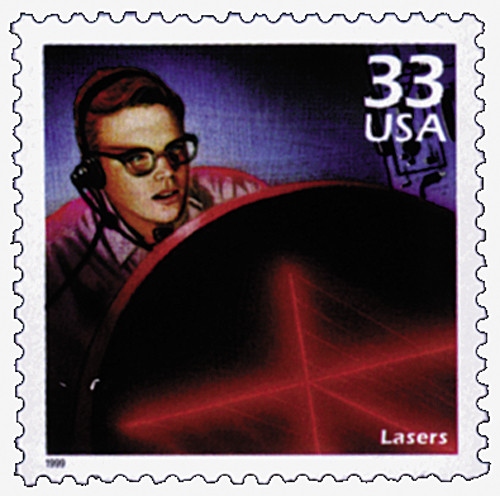
On May 16, 1960, Theodore Maiman fired up a device that turned a flash of light into something sharper, brighter, and far more useful. His first working laser later gave May 16 its place as the International Day of Light, a yearly reminder of how light-based science changed medicine, communications, industry, and daily life.
The International Day of Light is observed each year on May 16. UNESCO chose the date because it marks the anniversary of the first successful laser operation by physicist and engineer Theodore H. Maiman in 1960. The day is not only about lasers. It also highlights the role of light in science, art, culture, energy, education, medicine, and communications.
Maiman’s breakthrough took place at Hughes Research Laboratories in Malibu, California. At the time, many scientists were trying to build a working laser. The idea grew from earlier work on masers, which used microwaves instead of visible light. The word “laser” stands for “light amplification by stimulated emission of radiation.” In simple terms, a laser produces light waves that are organized, focused, and usually limited to one wavelength. That makes the beam very different from the scattered light of a lamp or flashlight.

Maiman was born in Los Angeles on July 11, 1927. He studied engineering physics at the University of Colorado, then earned a master’s degree in electrical engineering and a doctorate in physics from Stanford University. He joined Hughes in 1956 and worked on masers before turning his attention to the laser problem.
His approach was bold because he chose synthetic ruby as the heart of the device. Other researchers doubted ruby would work well enough. Maiman thought otherwise. His laser used a small ruby crystal, silver-coated ends that helped reflect light, and a powerful flash lamp wrapped around the crystal. When the lamp fired, it energized chromium atoms inside the ruby. Those atoms then released a burst of deep red coherent light.
On May 16, 1960, Maiman and assistant Irnee D’Haenes demonstrated the first operating laser. The beam was not continuous. It came in pulses. But it proved that the laser was no longer only a theory. A later report of Maiman’s work appeared in Nature under the title “Stimulated Optical Radiation in Ruby.”

At first, the laser was famously described as “a solution looking for a problem.” That changed quickly. Scientists and engineers soon found that a beam of concentrated, controlled light could do jobs that ordinary tools could not. Lasers could measure distance, cut or weld material, read information, carry signals, guide instruments, and make delicate medical procedures possible.
In medicine, lasers are used in eye surgery, dentistry, skin treatments, imaging, and some cancer therapies. In manufacturing, they cut metal, engrave surfaces, drill tiny holes, and guide precise measurements. In homes and stores, lasers help read barcodes, play discs, print documents, and scan objects. In communications, laser light travels through fiber-optic cables, carrying phone calls, internet data, video, and financial information at high speed.
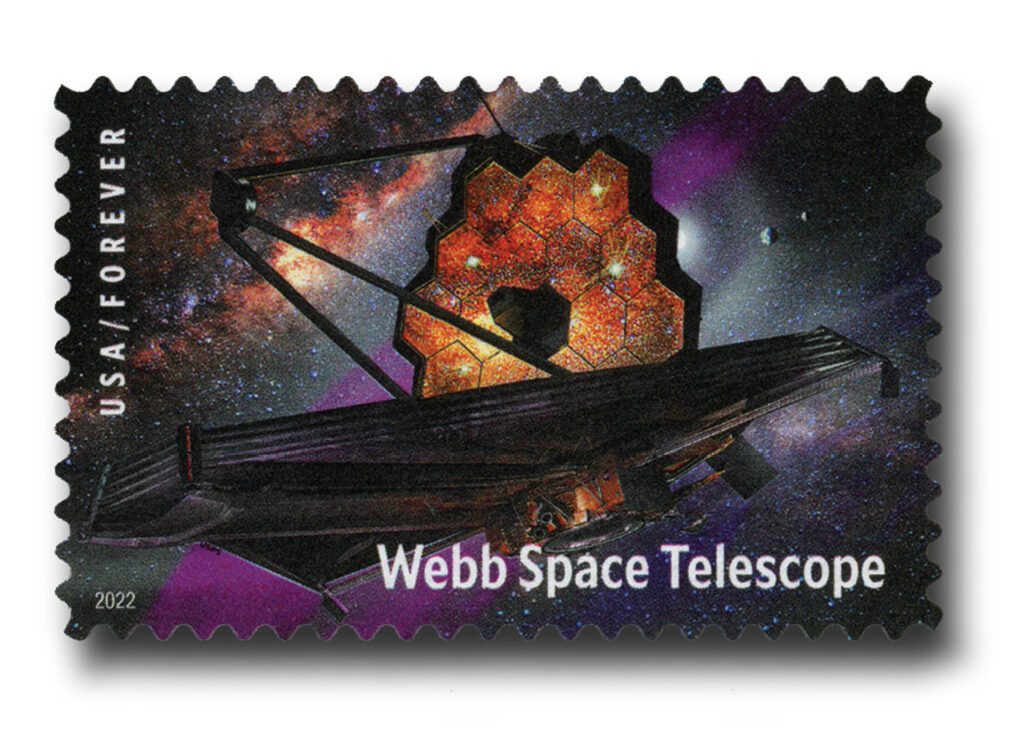
The International Day of Light uses Maiman’s achievement as a starting point. The celebration also points to many other uses of light. Telescopes gather faint light from distant galaxies. Microscopes reveal cells and bacteria. Solar panels turn sunlight into electricity. Cameras, sensors, and satellites collect light to study weather, crops, oceans, cities, and the surface of other planets.
Light also matters in ways that are easy to overlook. Clean lighting can help students study after sunset. Optical technologies help doctors diagnose disease. Fiber-optic networks connect people across continents. Better understanding of sunlight, ultraviolet radiation, and artificial lighting also affects health, safety, farming, and environmental planning.

Maiman’s ruby laser was a compact laboratory device, not a finished commercial product. Yet its success opened a new field almost immediately. Other types of lasers followed, including gas lasers, semiconductor lasers, and lasers that could produce steady beams instead of short pulses. Each new design made the technology more practical and more specialized.
Today, the International Day of Light connects that 1960 experiment to a much wider story. It recognizes the scientists who study light, the engineers who turn discoveries into tools, and the teachers who help students see why physics matters.
Click here to visit the International Day of Light website.
| FREE printable This Day in History album pages Download a PDF of today’s article. Get a binder or other supplies to create your This Day in History album. |
Discover what else happened on This Day in History.