
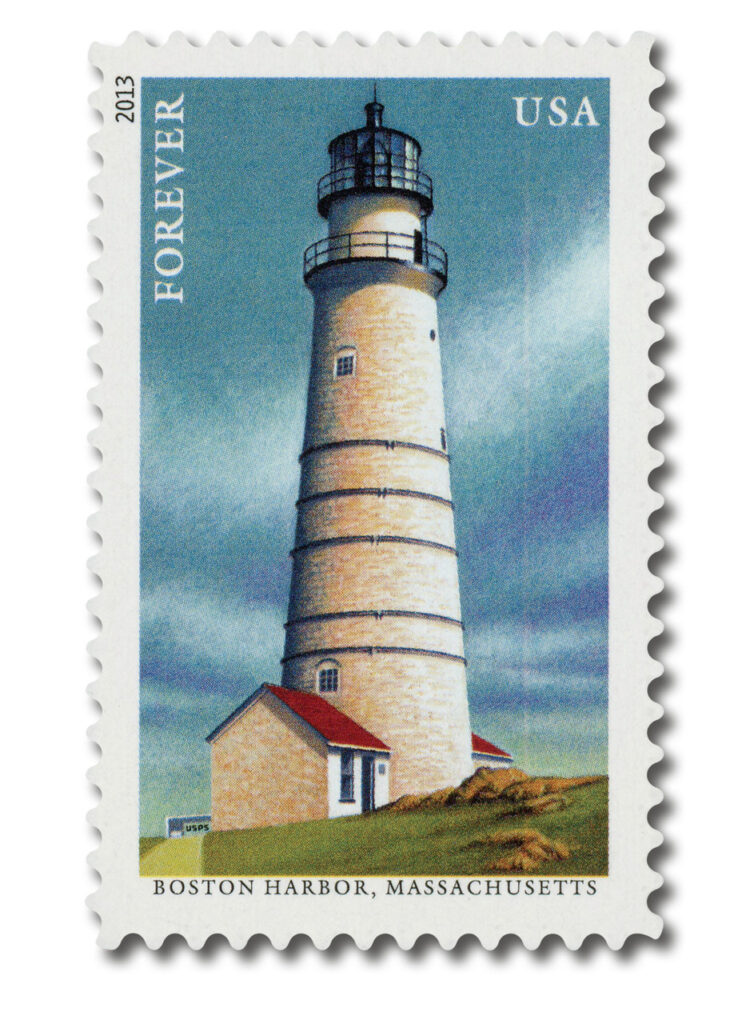
On August 7, 1789, Congress approved a law placing the country’s lighthouses, beacons, buoys, and public piers under federal care. With that decision, the new government began building a coordinated system to guide ships past hazards and safely into American ports.
Before the Constitution took effect, individual colonies and states built and operated their own lighthouses. Local merchants often supported them because shipwrecks threatened crews, cargoes, and coastal trade. Boston Light, first illuminated in 1716, was the earliest lighthouse built in what became the United States. By 1789, 12 lighthouses stood along the country’s coastline.
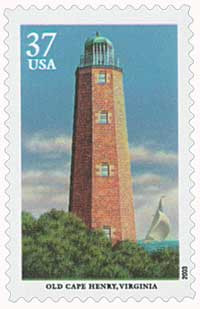
The First Congress passed “An Act for the establishment and support of Lighthouses, Beacons, Buoys, and Public Piers.” It was only the ninth law enacted by the new Congress. The Coast Guard describes it as the first federal law to make provisions for public works.
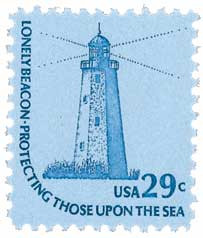
The act allowed states to transfer lighthouse property and jurisdiction to the United States. After a transfer, the federal Treasury would pay for necessary support, maintenance, and repairs. The secretary of the Treasury supervised the new US Lighthouse Establishment. This created a central system instead of leaving each state to manage its own navigational aids.
One of the government’s first major projects was Cape Henry Lighthouse at the entrance to Chesapeake Bay in Virginia. The stone tower was completed in 1792. It was the first lighthouse constructed with federal funds under the new system. Other towers and beacons soon appeared along the Atlantic coast.
The network expanded quickly. The United States had about 250 lighthouses by 1842. However, the system lacked consistent construction and lighting standards. An 1838 inspection found that some towers were badly placed, poorly built, or equipped with weak lights. Complaints from mariners, merchants, and shipping organizations eventually pushed Congress to investigate.

In 1852, Congress created the US Lighthouse Board. Its members included naval officers, Army engineers, and civilian scientists. The board divided the coast into districts, improved inspections, issued detailed instructions to keepers, and introduced more professional standards.
The board also expanded the use of Fresnel lenses. These lenses used carefully arranged glass prisms to collect light that would otherwise scatter. They focused it into a stronger beam that could be seen from farther away. By 1860, Fresnel lenses were being used in all US lighthouses.
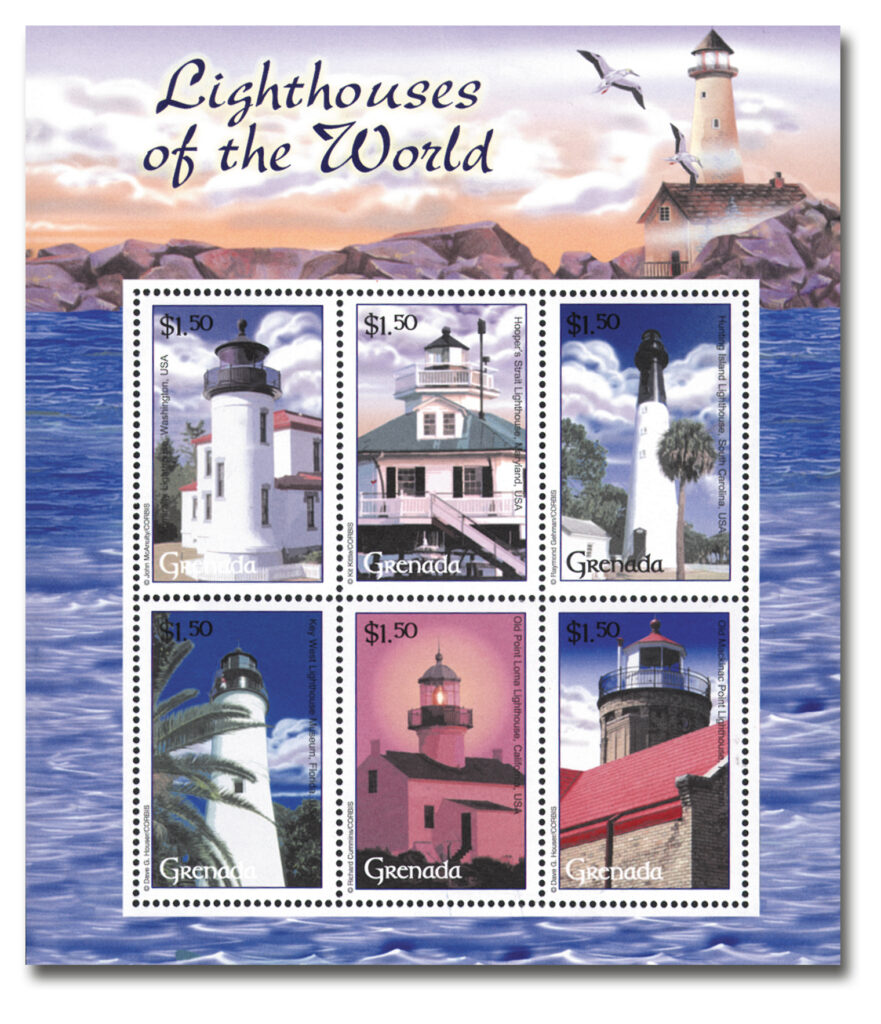
Federal lighthouse work sometimes required bold engineering. An iron lighthouse on Minots Ledge off Massachusetts collapsed during a storm in 1851, killing its two assistant keepers. The Lighthouse Board replaced it with a granite tower made from massive interlocking blocks secured with iron. Construction took five years. The new light began regular service in November 1860 and survived the waves that had destroyed its predecessor.
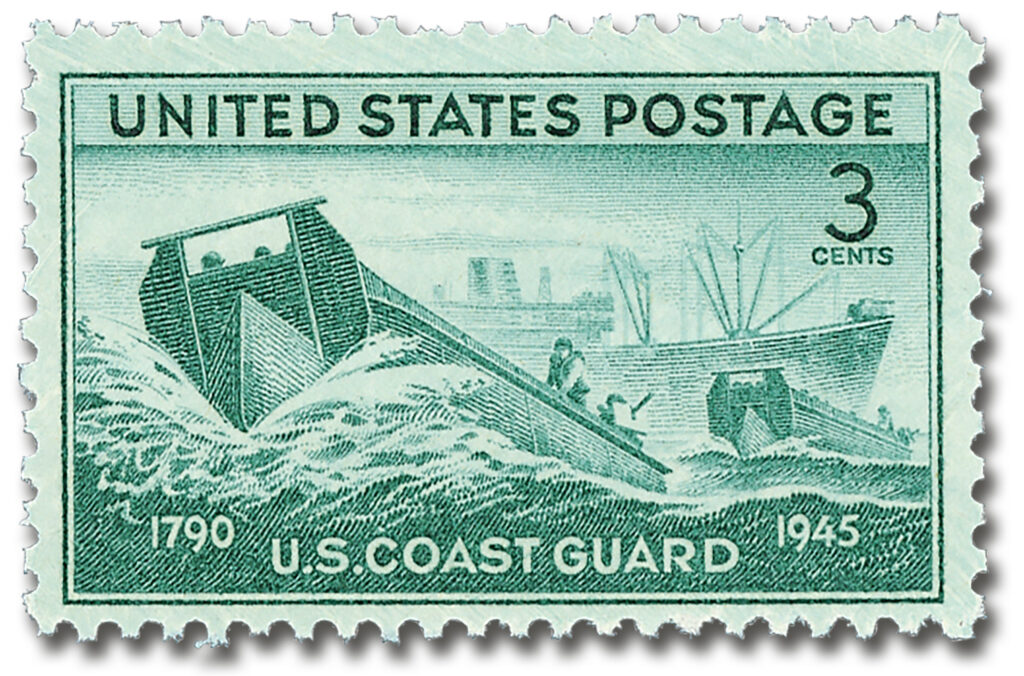
Congress reorganized the program in 1910. It abolished the Lighthouse Board and created the civilian Bureau of Lighthouses, commonly known as the US Lighthouse Service. The service managed lighthouses, lightships, buoys, fog signals, and the vessels that supplied remote stations. On July 1, 1939, the Lighthouse Service became part of the US Coast Guard.
Two hundred years after the original act, Congress designated August 7, 1989, as National Lighthouse Day. President George H. W. Bush issued a proclamation encouraging ceremonies, educational programs, and public visits to lighthouse sites. Although the congressional designation applied specifically to the bicentennial year, lighthouse groups and historic sites continued observing August 7 each year.
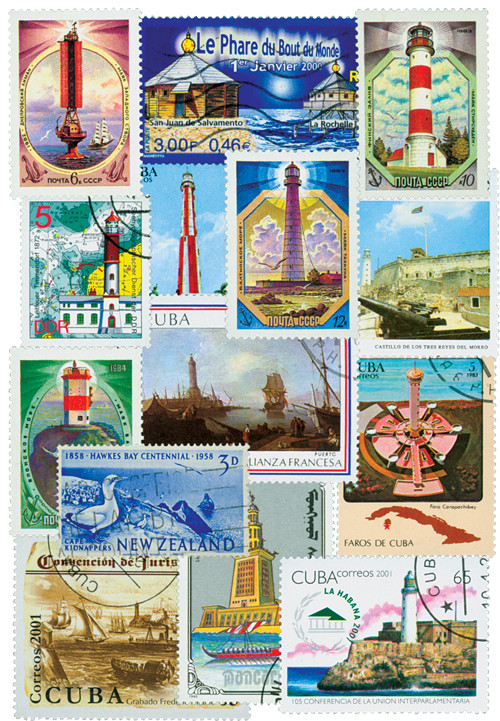
Many historic light stations now operate as museums, parks, or preservation sites. Others still carry working navigational lights maintained by the Coast Guard. National Lighthouse Day also honors the keepers, engineers, builders, and crews who maintained these isolated stations and kept their lights shining through storms, fog, and darkness.
Click here for more Lighthouse stamps, covers, and more.
Click here to discover lots more history at the United States Lighthouse Society website and here for a neat interactive map of US lighthouses.
| FREE printable This Day in History album pages Download a PDF of today’s article. Get a binder or other supplies to create your This Day in History album. |
Discover what else happened on This Day in History.
I did a one-frame exhibit describing all of the US lighthouses shown on US stamps. It was a lot of fun to research.