Siege of Vicksburg
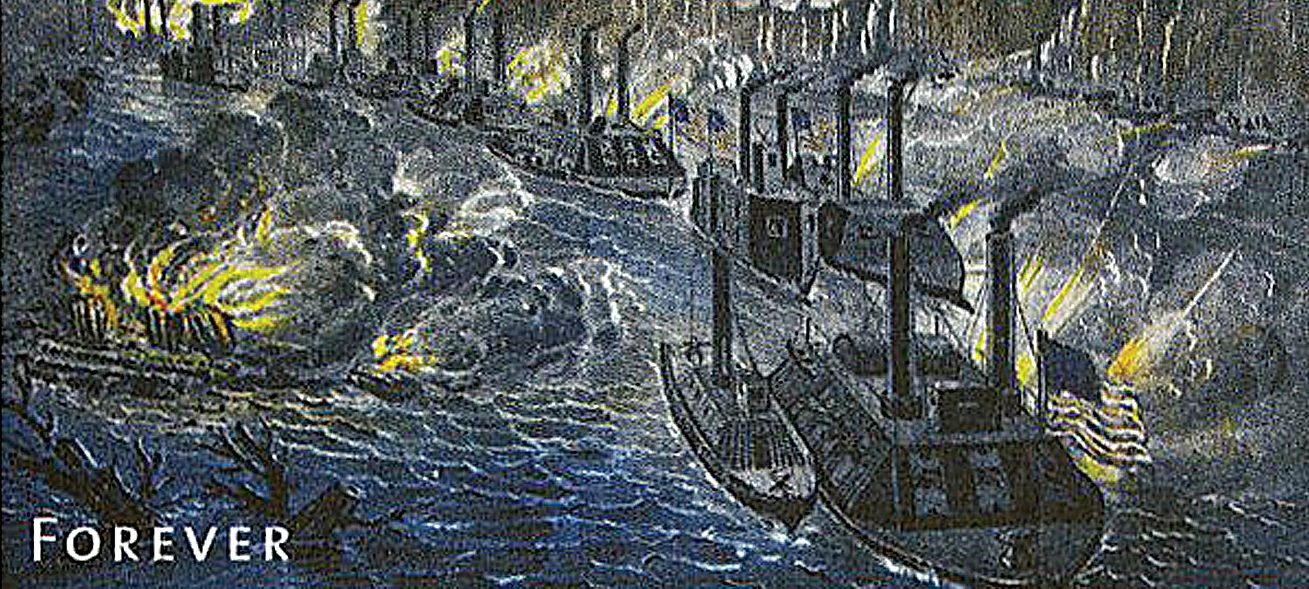
On May 18, 1863, the key Siege of Vicksburg began. The fight for this Mississippi River stronghold became one of the longest and most demanding Union operations of the Civil War.
On May 14, 1897, John Philip Sousa’s band officially debuted his march “Stars and Stripes Forever” in Philadelphia, Pennsylvania. It quickly became a hit, with calls for it to replace the “Star Spangled Banner” as the national anthem. Instead, it was made the national march in 1987.
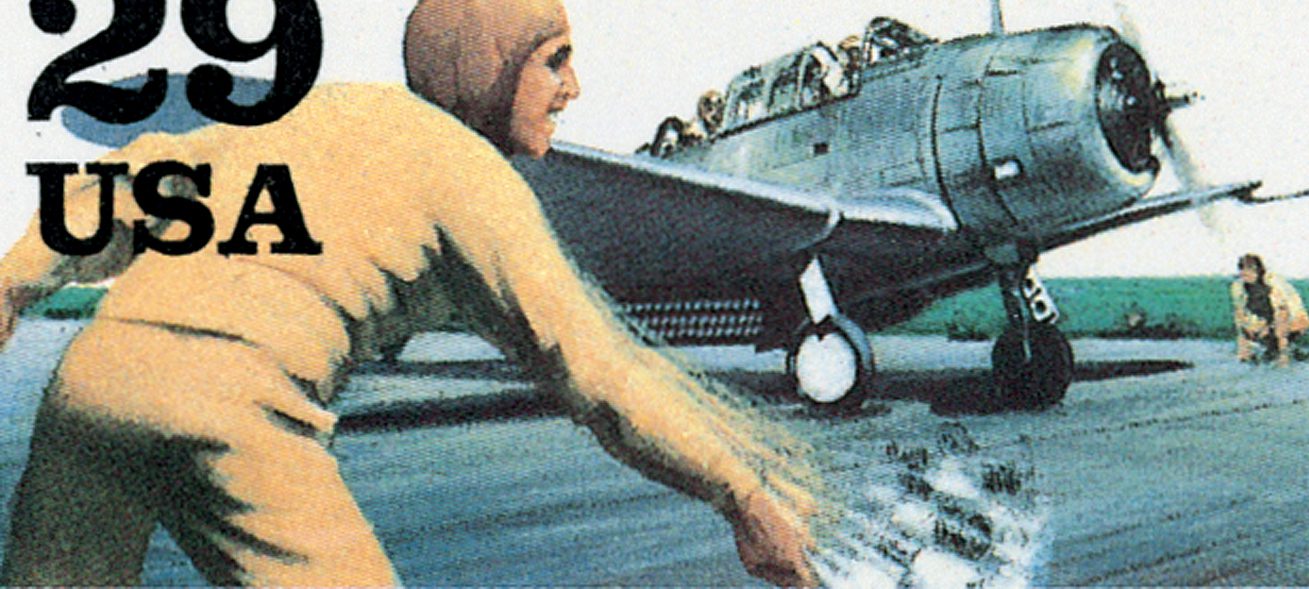
On May 4, 1942, the World War II Battle of the Coral Sea began. It became the first naval battle fought mainly by aircraft carriers, with opposing fleets striking each other by air while their ships never came into direct sight.
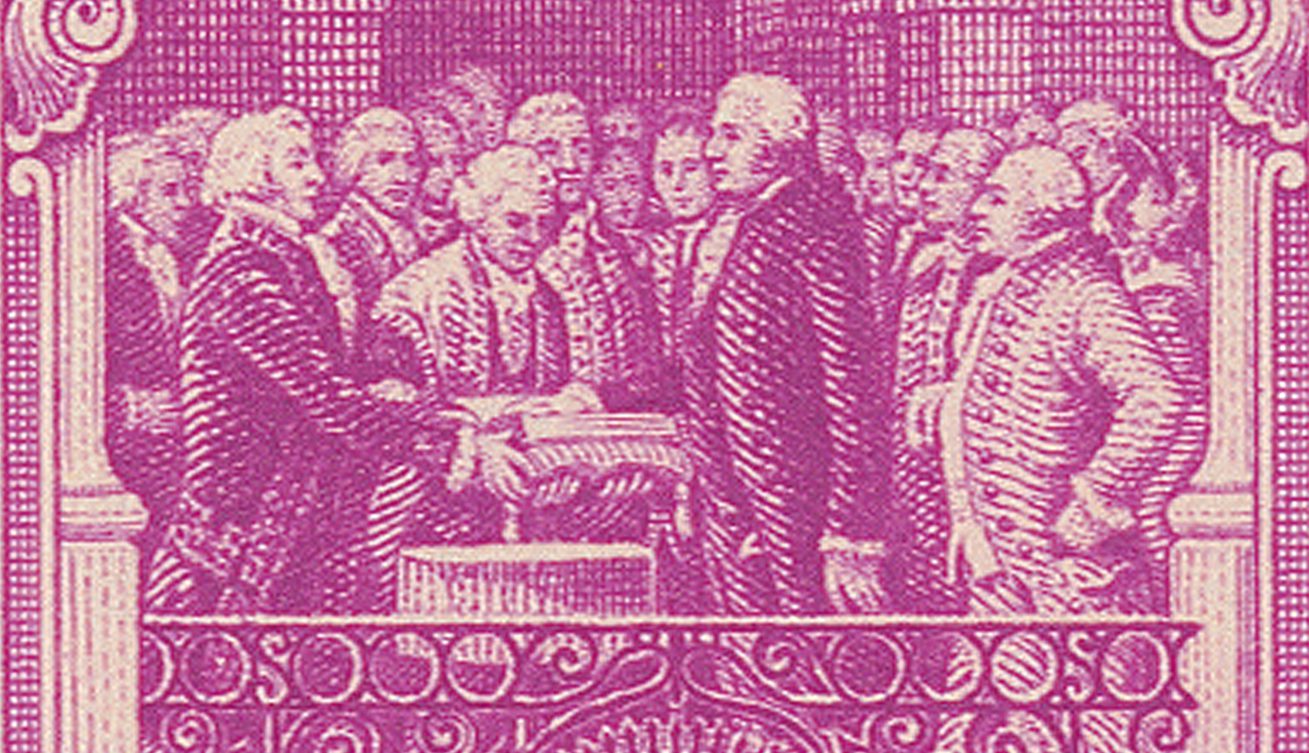
On April 30, 1789, George Washington was inaugurated as America’s first president. The ceremony in New York City marked the formal beginning of the new federal government created by the Constitution and placed the Revolutionary War hero at the head of a nation still finding its footing.
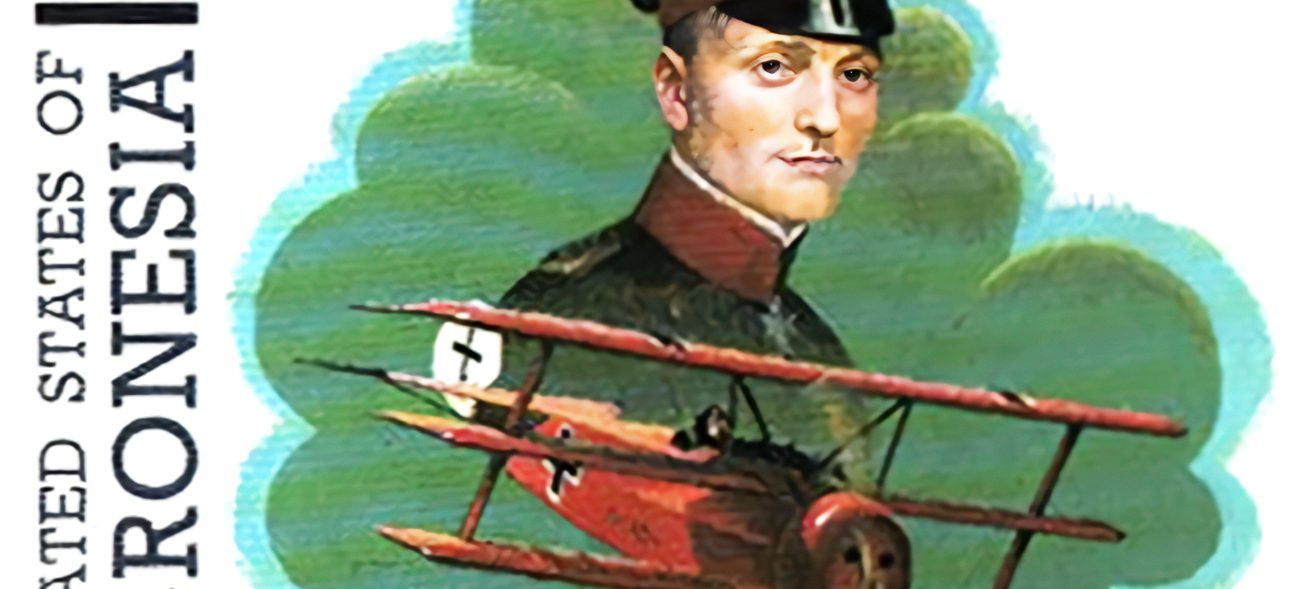
On April 20, 1918, Manfred von Richthofen—known around the world as the Red Baron—shot down his 80th enemy aircraft, setting a record for World War I. Within a day, his remarkable career would come to an abrupt end, cementing his place as the war’s most recognized flying ace.
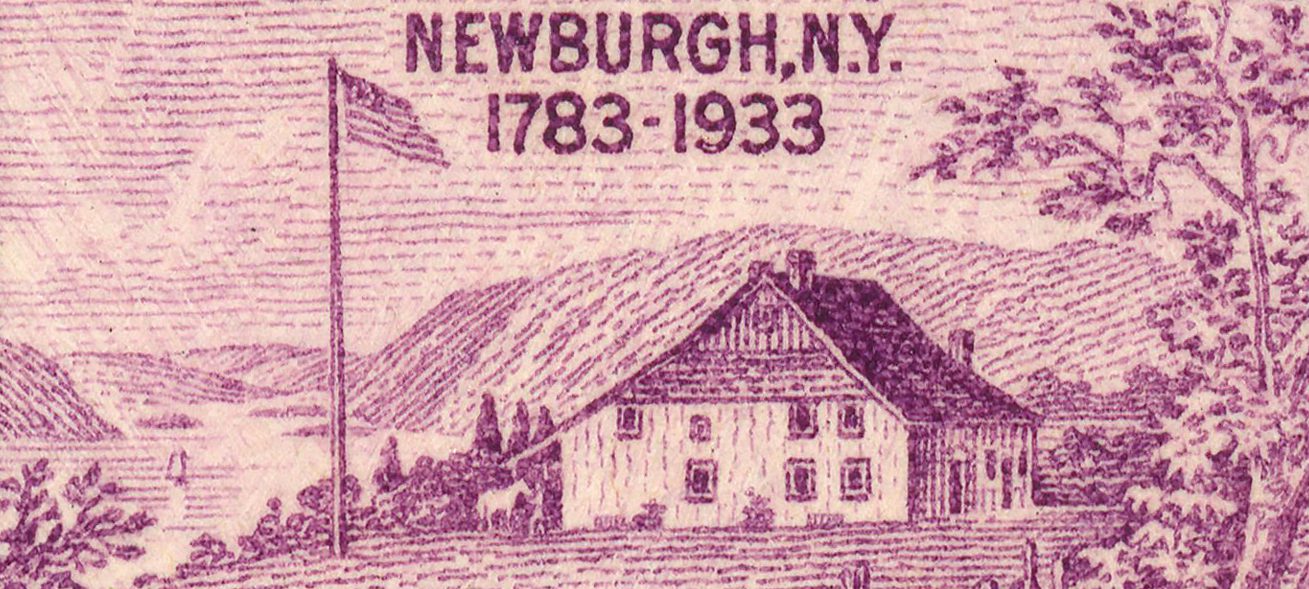
On April 18, 1783, General George Washington issued a proclamation announcing the end of hostilities in the American Revolutionary War. After eight years of fighting, the Continental Army was finally told to stand down, though the path to peace had already been set in motion months earlier.
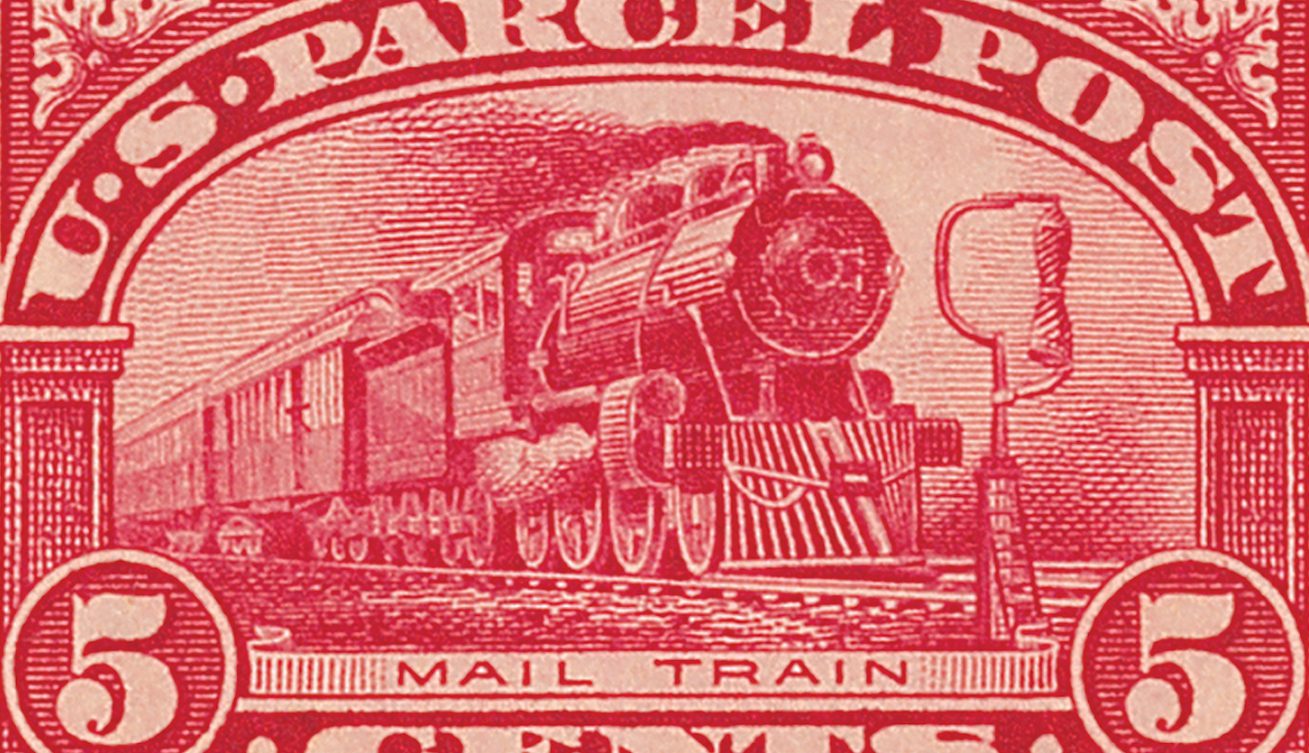
On April 9, 1921, Postmaster General Will H. Hays took an extraordinary step: he ordered the arming of postal workers who handled the nation’s most valuable mail. The order came after a sharp rise in armed robberies, when trains, mail cars, and postal employees had become targets for thieves looking for cash, securities, and registered mail.
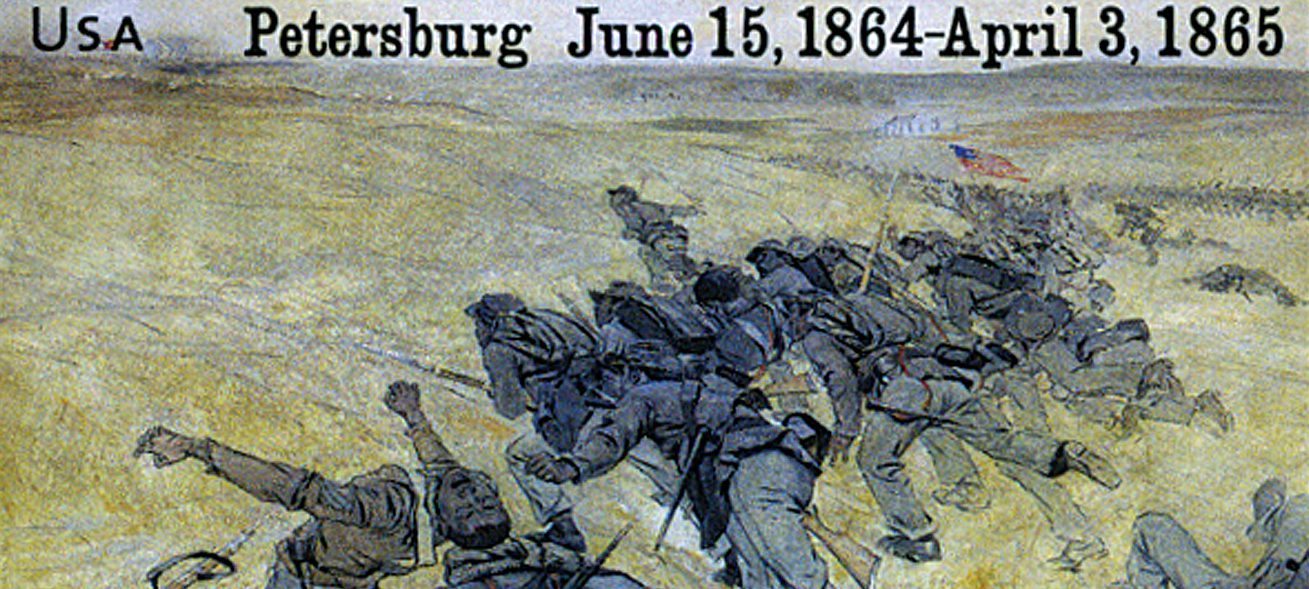
On April 3, 1865, Union forces entered Richmond, Virginia, the capital of the Confederacy, following their breakthrough at Petersburg. The fall of the city marked the collapse of the South’s political center and signaled that the Civil War’s end was close at hand.
On March 22, 1820, naval hero Stephen Decatur was mortally wounded in a duel with a former friend and fellow officer. The shocking encounter ended the life of one of America’s most respected naval leaders and revealed how personal rivalries could turn deadly, even among national figures.