

On November 6, 1861, Jefferson Davis was elected president of the Confederate States of America. By then, Southern states had seceded, formed the Confederacy, and the Civil War was underway.
Davis was born in Kentucky on June 3, 1808, and grew up in Mississippi. He graduated from West Point in 1828 and served in the US Army, including during the Black Hawk War. After leaving the Army, he settled on a Mississippi plantation, where he enslaved people and grew cotton. In 1835, he married Sarah Knox Taylor, daughter of future president Zachary Taylor. She died of malaria three months later. Davis later married Varina Howell, with whom he had six children.
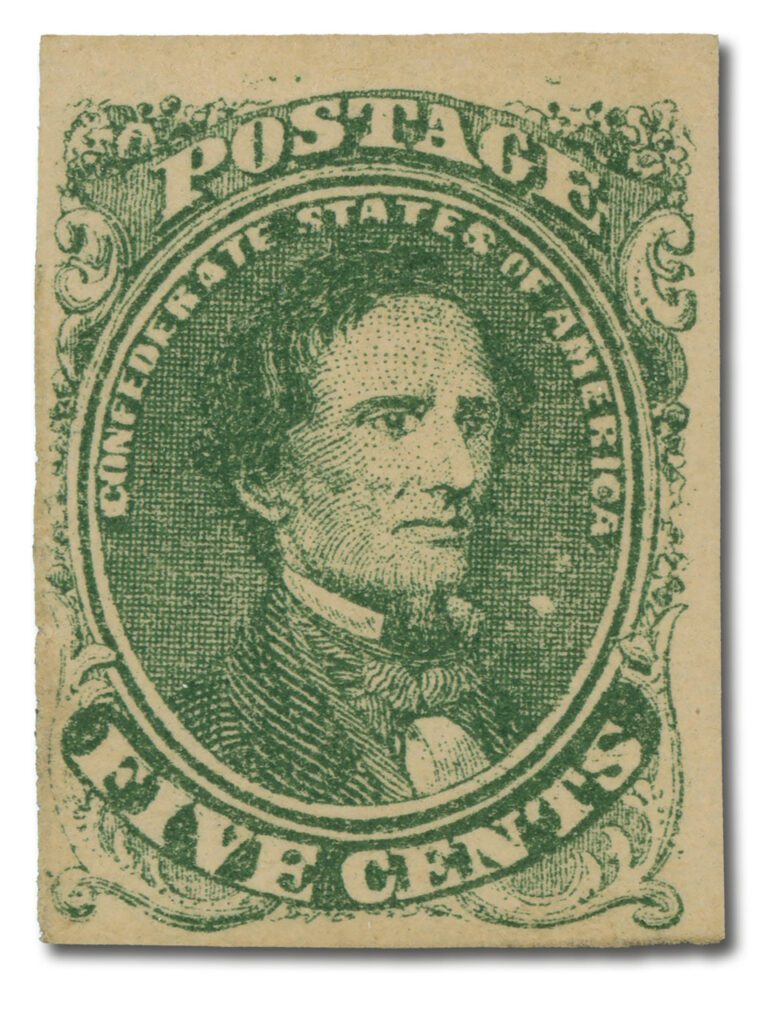
Davis served in the US House of Representatives from 1845 to 1846, then resigned to command the First Mississippi Regiment in the Mexican-American War. He was wounded at the Battle of Buena Vista in 1847. After the war, he served in the US Senate from 1847 to 1851.
President Franklin Pierce appointed Davis secretary of war in 1853. In that position, he supported the Gadsden Purchase, which added land in what is now southern Arizona and New Mexico. He worked to expand the Army and update its equipment. He also oversaw construction of the US Capitol’s new dome. After Pierce left office, Davis returned to the Senate in 1857.
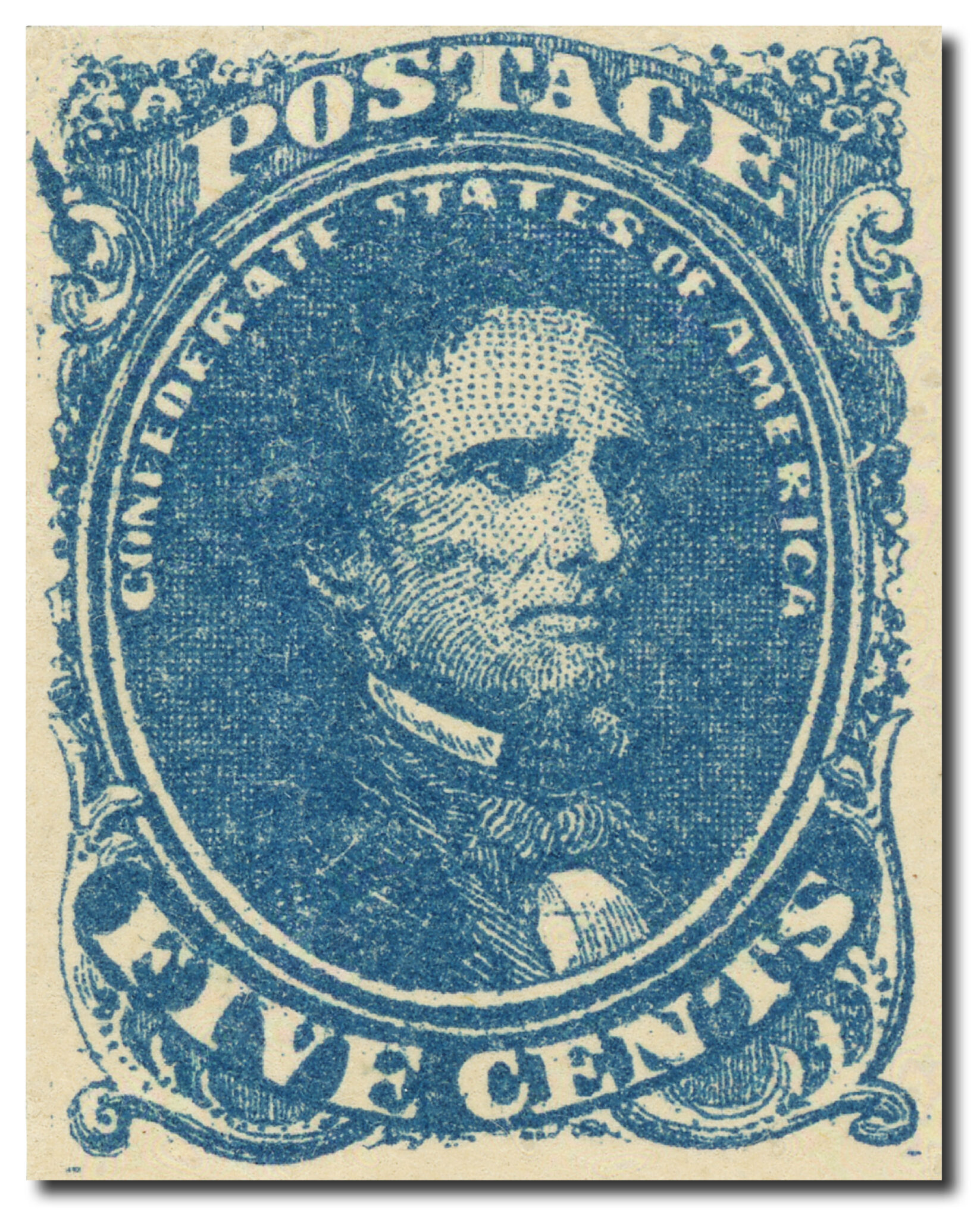
Davis frequently defended slavery and the political power of slaveholding states. In 1858, he spoke against secession at Boston’s Faneuil Hall and argued for preserving the Union while still defending the right to enslave people. Davis’s opposition to immediate secession reflected his view that separation would be dangerous and could lead to war. In 1860, he joined the Senate’s Committee of Thirteen, an effort to find a compromise as the Union crisis deepened. The committee did not prevent secession.
After Mississippi seceded in January 1861, Davis resigned from the Senate. He accepted a commission as a major general in the Mississippi militia, but the Confederate Congress chose him to become provisional president of the Confederacy in February. Davis had said he preferred to serve as a general, but accepted the office as the new government organized. In April 1861, his administration demanded the surrender of Fort Sumter, a US military installation in Charleston Harbor. After the garrison refused, Confederate forces opened fire on April 12. The attack began the Civil War.
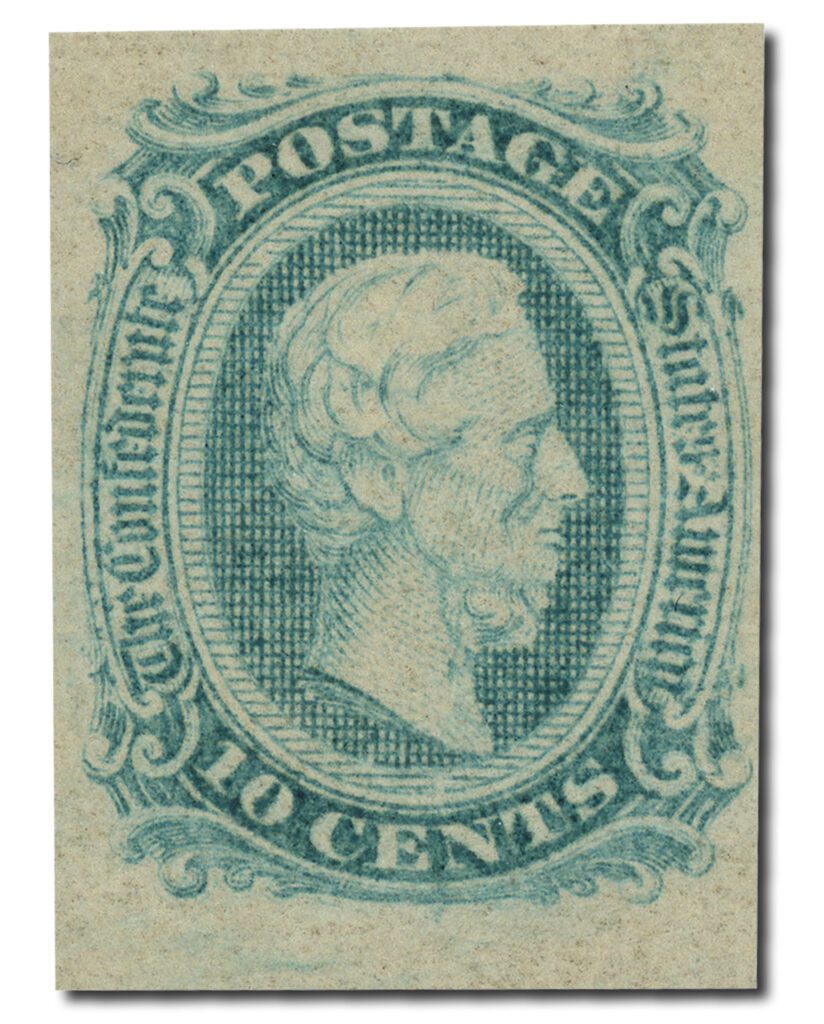
In November 1861, voters elected him without opposition to a six-year term. He was inaugurated in Richmond on February 22, 1862. That year, the Confederate Congress enacted conscription, which led to disputes with state governors over the balance of Confederate and state authority. Davis’s government faced shortages and financial strain. Military defeats, supply problems, and disagreements among political and military leaders continued through the war.
In April 1865, Union forces captured Richmond, and Davis and members of his government fled south. Union troops captured Davis in Georgia on May 10. He was imprisoned at Fort Monroe in Virginia for two years and indicted for treason, but was never tried. In 1867, he was released on a $100,000 bond signed by a group that included Horace Greeley and abolitionist Gerrit Smith.

Davis spent much of his later life writing about the Confederacy. In his 1881 book The Rise and Fall of the Confederate Government, he continued to defend secession as constitutional. But in his final years, he urged white Southerners to remain loyal to the United States. Davis died in New Orleans on December 6, 1889.
Click here for more Davis stamps.
| FREE printable This Day in History album pages Download a PDF of today’s article. Get a binder or other supplies to create your This Day in History album. |
Discover what else happened on This Day in History.
History has both high points and low ones.
Wonderful little part of history to start the day with. Thank you.
Interesting information on Davis.
This was enlightening. All I ever knew about Davis was that he was the President of the Confederacy. Who knew there was so much going on leading up to, during, and after the Civil War.
Great story behind every stamp! Great adventure !
In Houston the hospital for the poor and for so many emergency patients was called “Jeff Davis”. It stood out like a tower as you drove along Allen Parkway. Don’t know what they call it now. It eventually became a hospital for mentally ill people.
Although he had greater pre-war military experience than Lincoln, he has been judged to have been a worse Commander-in-Chief than the latter for the reasons that are given in the article. Lincoln’s problem was finding a field commander who was up to the task of waging aggressive offensive war against the rebels. Finally found the right man with Grant.
Sometimes we are not in control of our destiny. Sometime events dictate our destiny.
This seemed to be tru of Jefferson Davis. He was ALWAYS portrayed as an evil traitor.
But was he? Like many Southerners (Robert E. Lee, included) he did not want to
form a new nation, but events turned out differently. He believed like many that
the States joined the Union voluntarily and should, as they chose, be allowed to seceed
from the Union. Davis kenw, as did others, that Lincoln would never allow this breakup
of the Union and there would be war. A war many leaders knew that, in the end, they
could never win.
So very true. Many people are quick to judge and just label ALL confederates as racist traitors, but they forget they had legitimate concerns and legal reasoning. They believed, that under the Tenth Amendment, since the Constitution did not expressly forbid secession, it was allowed, and it’s not an unsound or unprincipled argument. Great article!
It’s interesting to compare people like leaders Jefferson Davis and Robert E. Lee with leaders like Sam Houston and Andrew Johnson. Sam Houston was governor of Texas in 1861, he opposed secession, and warned that a war against the northern states would bring disaster. He was right of course, but in 1861, he was overthrown as governor and died during the war in 1863. Andrew Johnson was a U.S. Senator from Tennessee, and when his state seceded, he refused to go along with it. He stayed in Washington, and continued to represent the loyal people of his state until he became military governor of Tennessee in 1862. Jefferson Davis was a U.S. Senator from Mississippi, but resigned his seat and became President of the Confederacy. Robert E. Lee was an officer in the U.S. Army sworn to protect and defend the Constitution, but he resigned his commission and became a general in the Confederate army. If more leaders like Houston and Johnson had actively worked against secession, things might have worked out differently.
Thank you for this interesting history lesson about Davis and the Confederacy, Mystic.
Very true
An excellent history lesson. Thanks, Mystic.
The North always had a upper hand .But if Abe Had Not been Shot, Southern Family lives Would have been so much Better !
What interesting history. Thank you
Thank you Mr Roger Zeimet. Grant; if one is not quite familiar, was anything
but the prim and proper person that the president of a great republic should
be. He was an alcoholic, very unkempt, and was late in arriving for the signing of the surrender of the South, at Appomattox Court House. He also arrived with dirt and mud on his boots and uniform.
Due to the state sovereignty embedded in the US Constitution, the
southern states did have the legal right to secede from the Union.
For economic and other reasons, slavery would not have been able
to continue for many years later, and the North and South would have
most probably rejoined in the coming years after secession, and there
would not have been a Civil War in the USA.
I find this article to be an appalling whitewash of a committed slaveholder, an insurrectionist against the United States of America, and a secessionist. Hopefully neither he, nor any other Confederate secessionist will ever again appear on any US stamp, coin, medal, or any other medium except in a museum.