
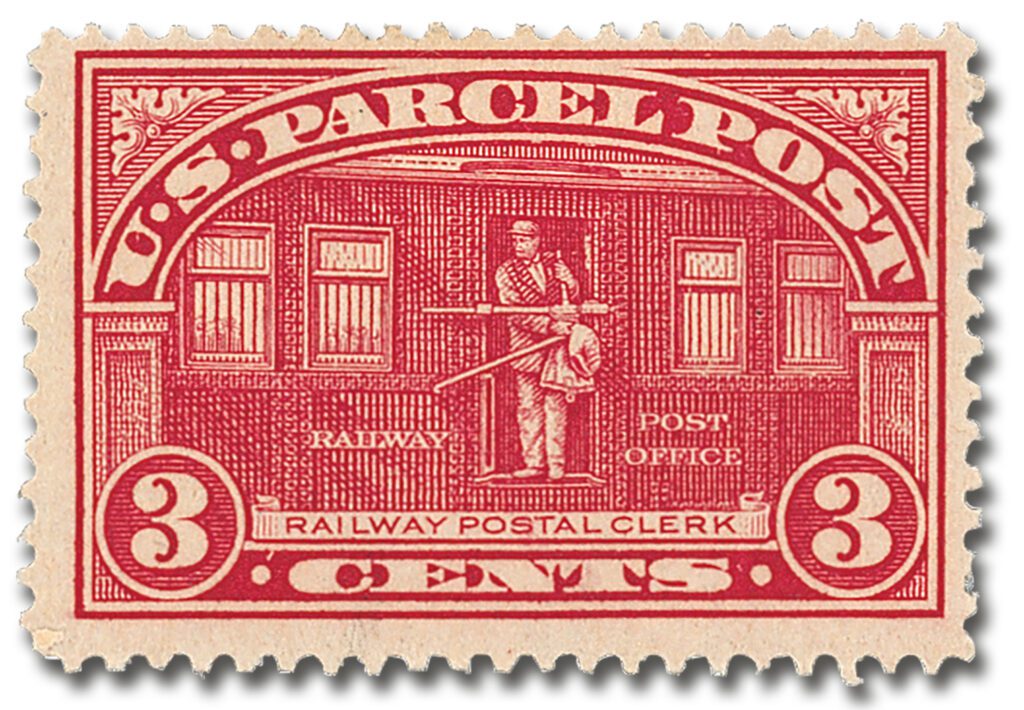
On April 9, 1921, Postmaster General Will H. Hays took an extraordinary step: he ordered the arming of postal workers who handled the nation’s most valuable mail. The order came after a sharp rise in armed robberies, when trains, mail cars, and postal employees had become targets for thieves looking for cash, securities, and registered mail.
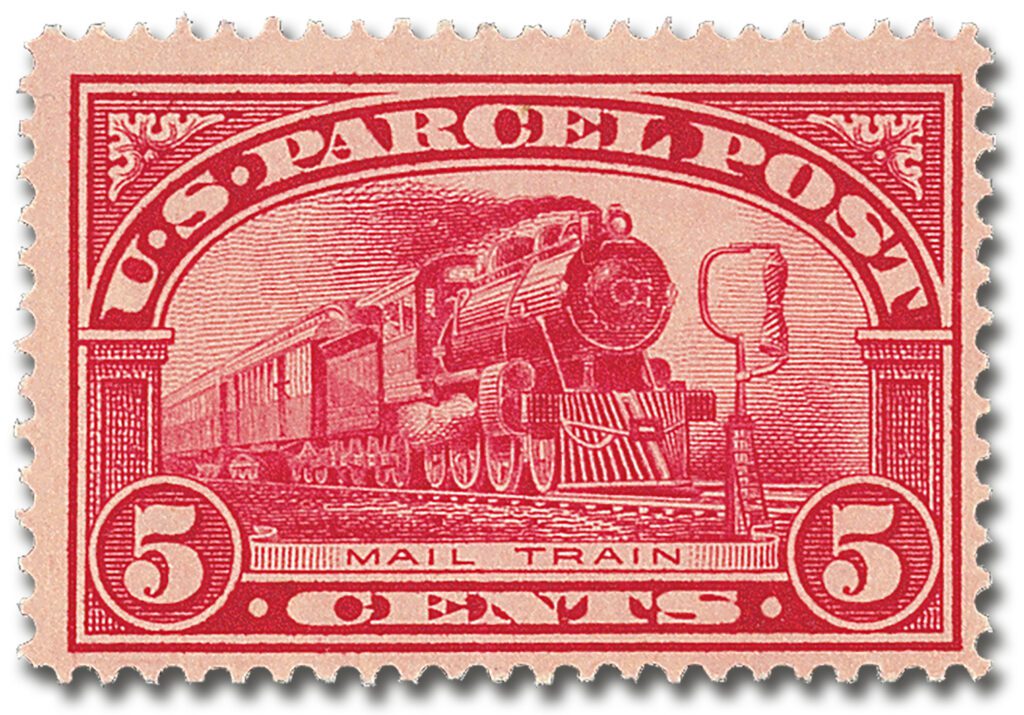
Hays had entered office only a month earlier, after President Warren G. Harding appointed him postmaster general on March 5, 1921. He inherited a mail system that was huge, fast-moving, and vulnerable. Much of America’s important mail still moved by rail. In Railway Post Office cars, clerks sorted mail while the train was in motion, which sped delivery but also exposed postal workers to danger far from city police protection.
Order No. 5668, issued on April 9, 1921, directed that “all essential postal employees” be armed to help stop the robberies. According to USPS postal history, the Post Office Department issued 50,000 guns and 2 million rounds of ammunition to railway mail clerks and other employees who handled valuable mail. It was a nationwide security response carried out on a massive scale.
The danger was real enough to justify it. The US Postal Inspection Service later summed up the crisis this way: between 1920 and 1921, there were 36 armed robberies of the mail, with more than $6 million in goods and currency stolen. At the time, there were fewer than 500 postal inspectors available to protect a rail network that covered almost 250,000 miles of railway mail routes. In other words, the government had too much valuable mail moving across too much territory, and too few investigators to guard it.
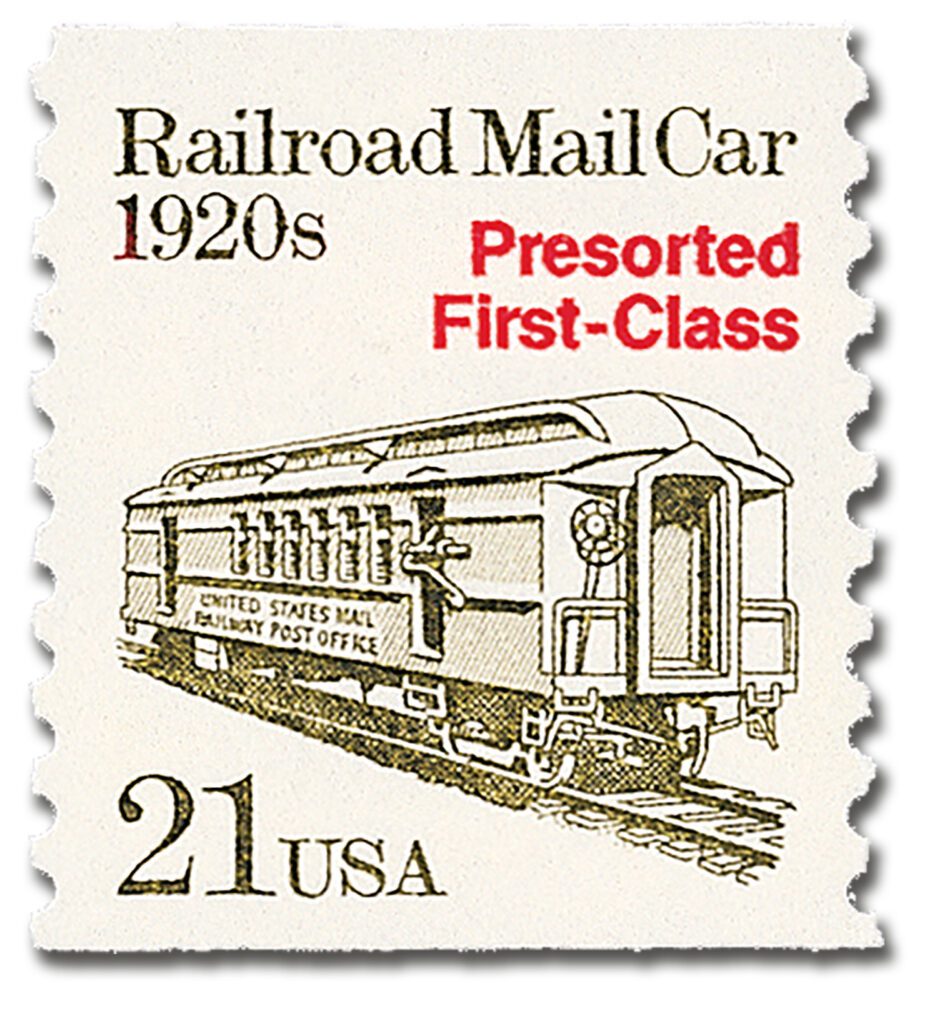
Railway clerks were not random office workers. They were highly trained specialists who sorted letters, papers, and registered mail inside tightly organized postal cars. Some had already been carrying firearms in railroad service. The Smithsonian’s National Postal Museum notes that Railway Post Office clerks were required to carry small .38-caliber pistols, and that in 1921 clerks were expected to have revolvers on hand. That helps explain why Hays’s order could be put into practice so quickly. It built on an existing security culture, but expanded it dramatically in response to a crime wave.
The mail was worth stealing because it often carried exactly the kinds of items robbers wanted most. Registered mail could contain cash, bonds, securities, jewelry, and other valuables. Railway mail cars also offered criminals a moving target with limited escape routes for the victims. Once a train was stopped or a clerk was threatened, thieves could seize selected pouches and disappear quickly. That made mail robbery one of the most profitable federal crimes of the period.
Even the arming order did not end the problem at once. Later in 1921, the federal government escalated again. Hays appealed for military help, and President Harding sent in US Marines to guard the mails at high-risk points around the country. The Postal Inspection Service says the original 1921 deployment included more than 50 officers and 2,000 enlisted Marines. Their presence had an immediate effect, and by the end of the year robberies of post offices, mail trains, and carriers had sharply subsided.
Hays’s orders turned postal defense into an armed operation. It showed how central the mail still was to American business and finance. Valuable mail moved in bulk, often by train, through isolated territory. When the mails were attacked, the government treated it not as a local nuisance, but as a national emergency involving weapons, guards, and later even Marines.
| FREE printable This Day in History album pages Download a PDF of today’s article. Get a binder or other supplies to create your This Day in History album. |
Discover what else happened on This Day in History.
Excellent article!
Little known period of the US Postal Service.thanks mystic
What a great article ! Very, very interesting. Thank you Mystic !