
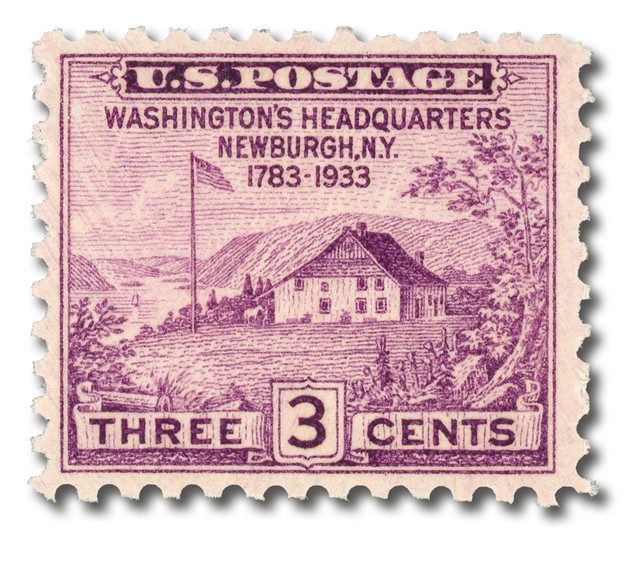
On April 18, 1783, General George Washington issued a proclamation announcing the end of hostilities in the American Revolutionary War. After eight years of fighting, the Continental Army was finally told to stand down, though the path to peace had already been set in motion months earlier.
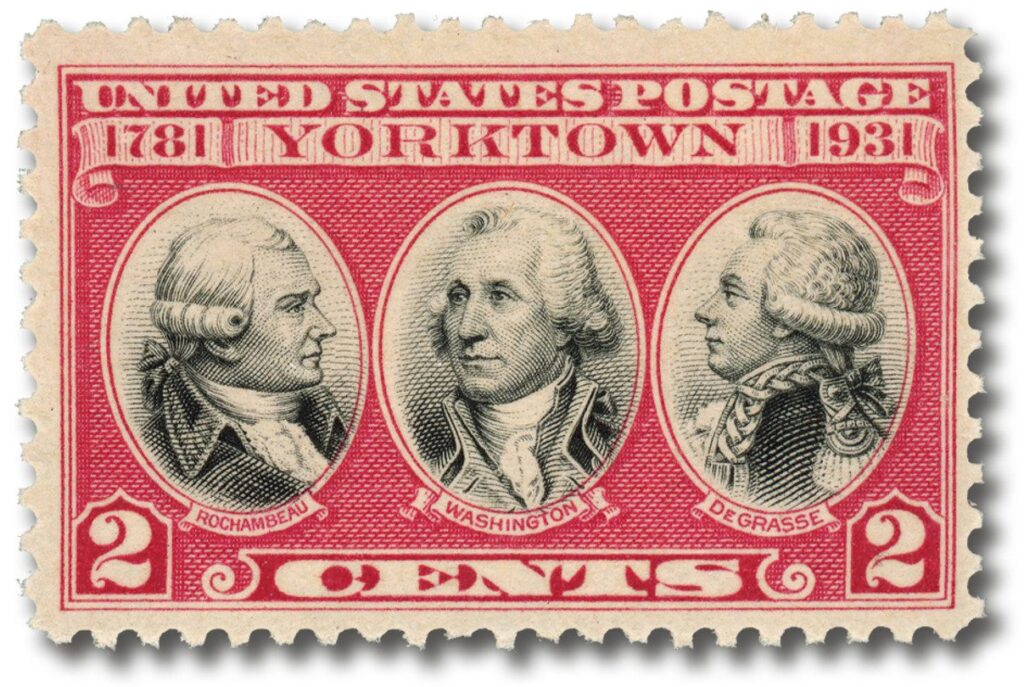
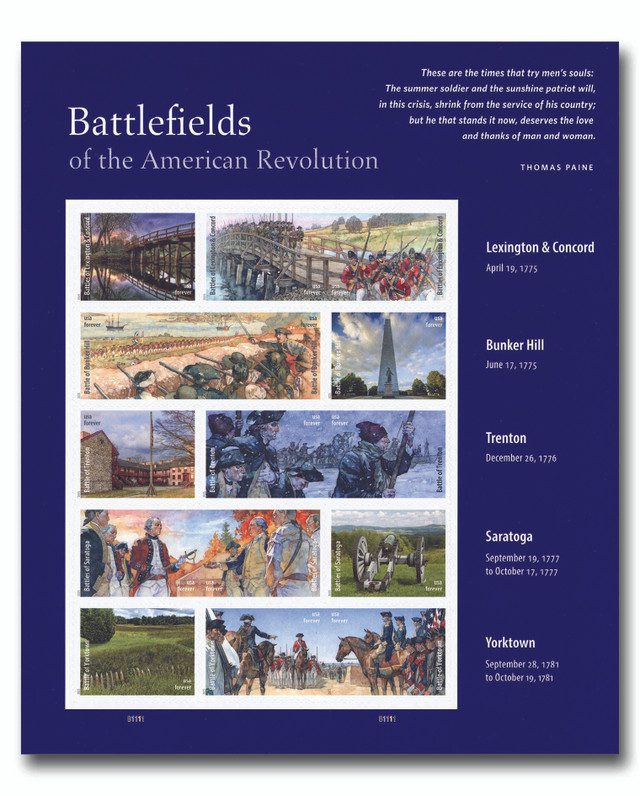
The fighting between Great Britain and its former colonies had effectively ended in October 1781 with the American victory at Yorktown. British General Charles Cornwallis surrendered his army to combined American and French forces led by George Washington and the Comte de Rochambeau. Although this marked the last major battle, the war was not officially over. British troops still occupied key cities, including New York, and negotiations for peace continued in Europe.
Formal steps toward peace began with the signing of preliminary articles between American and British representatives on November 30, 1782. These articles outlined the basic terms of independence. The United States would be recognized as a sovereign country. Boundaries were defined, stretching from the Atlantic Ocean to the Mississippi River. Americans were granted fishing rights off the coast of Newfoundland, and provisions were included regarding debts owed to British creditors and the treatment of Loyalists.
News of these preliminary agreements took time to cross the Atlantic. Communication depended on ships, which could take weeks or months to arrive. By early 1783, word had reached North America that a ceasefire had been agreed upon. On April 11, Congress formally proclaimed a cessation of hostilities. Washington then issued his own orders to the army on April 18, 1783, to ensure that the message reached his troops clearly and directly.
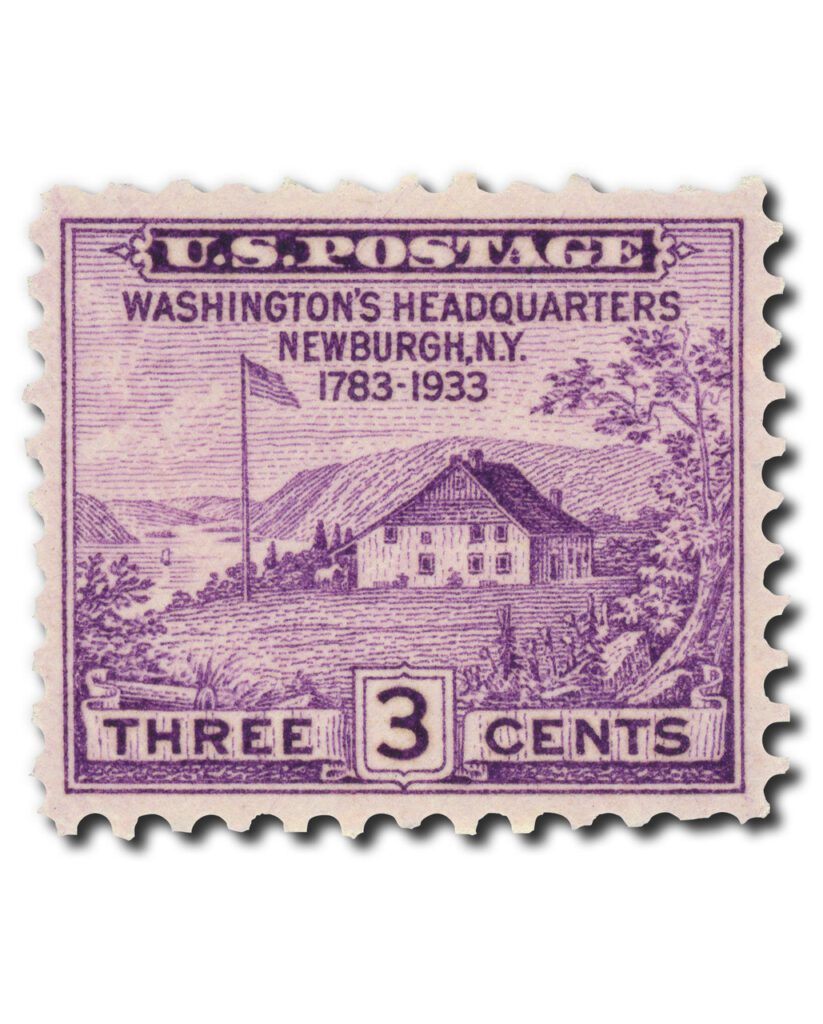
Washington’s proclamation was not a public speech, but a set of General Orders issued from his headquarters in Newburgh, New York. These orders instructed Continental Army soldiers to cease offensive operations against British forces. The tone of the message was formal and restrained. Washington acknowledged the long struggle and emphasized discipline as the army transitioned from war to peace.
At the time, the Continental Army was still encamped along the Hudson River. Many soldiers had not been paid for months, and tensions were high. Just weeks earlier, in March 1783, officers had gathered in what became known as the Newburgh Conspiracy. Some considered taking action against Congress over unpaid wages and pensions. Washington defused the situation by addressing the officers directly and urging loyalty to civilian authority. His leadership helped prevent a potential crisis within the army.
The April 18 proclamation came during this uncertain period. Washington needed to maintain order while also preparing for the army’s eventual disbandment. British forces had not yet evacuated all American territory. New York City, the largest remaining British stronghold, would not be evacuated until November 25, 1783. Until then, American and British troops remained in close proximity without active fighting.
Washington’s orders reflected this delicate situation. Soldiers were to avoid any actions that might provoke renewed conflict. Patrols continued, but offensive operations stopped. The army remained organized and ready, even as peace took hold.
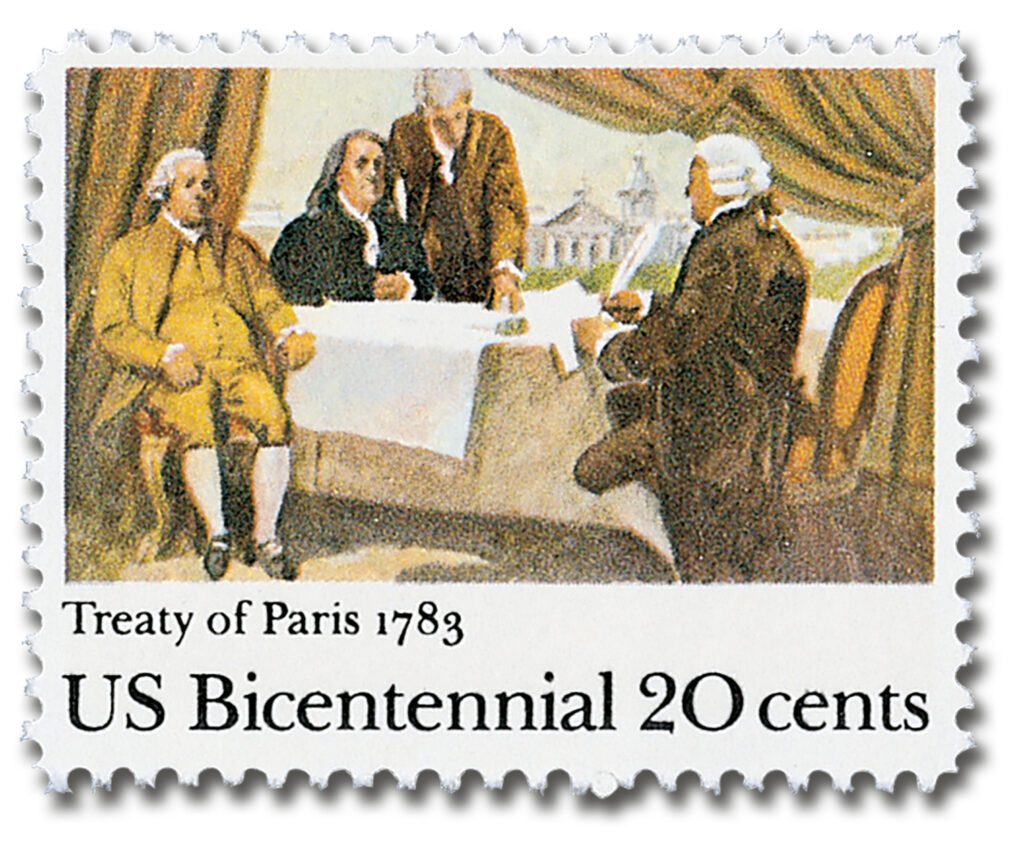
The formal end of the war came later that year with the Treaty of Paris, signed on September 3, 1783. This treaty confirmed the terms outlined in the preliminary agreement and officially ended the conflict between Great Britain and the United States. However, Washington’s April 18 proclamation marked the moment when active military operations by American forces were brought to a close.
In the months that followed, Washington focused on winding down the army. On November 2, 1783, he issued his Farewell Orders to the troops, thanking them for their service. He then traveled to New York City, where he met with British General Sir Guy Carleton to coordinate the final withdrawal of British forces.
On December 23, 1783, Washington appeared before Congress in Annapolis, Maryland, and resigned his commission as commander-in-chief. This act was significant. By giving up military power voluntarily, he reinforced the principle of civilian control over the military in the new republic.
| FREE printable This Day in History album pages Download a PDF of today’s article. Get a binder or other supplies to create your This Day in History album. |
Discover what else happened on This Day in History.