

On July 7, 1942, the United States issued its first stamp with foreign characters as part of the design. The stamp honored China’s fight against Japan and used a small design detail to show a larger wartime friendship.
The 5¢ China Resistance stamp marked the fifth anniversary of the Marco Polo Bridge Incident of July 7, 1937. That clash near Beijing is often considered the start of the Second Sino-Japanese War. By 1942, the war in China had become part of the wider struggle of World War II. The United States had entered the war seven months earlier, after Japan attacked Pearl Harbor on December 7, 1941.
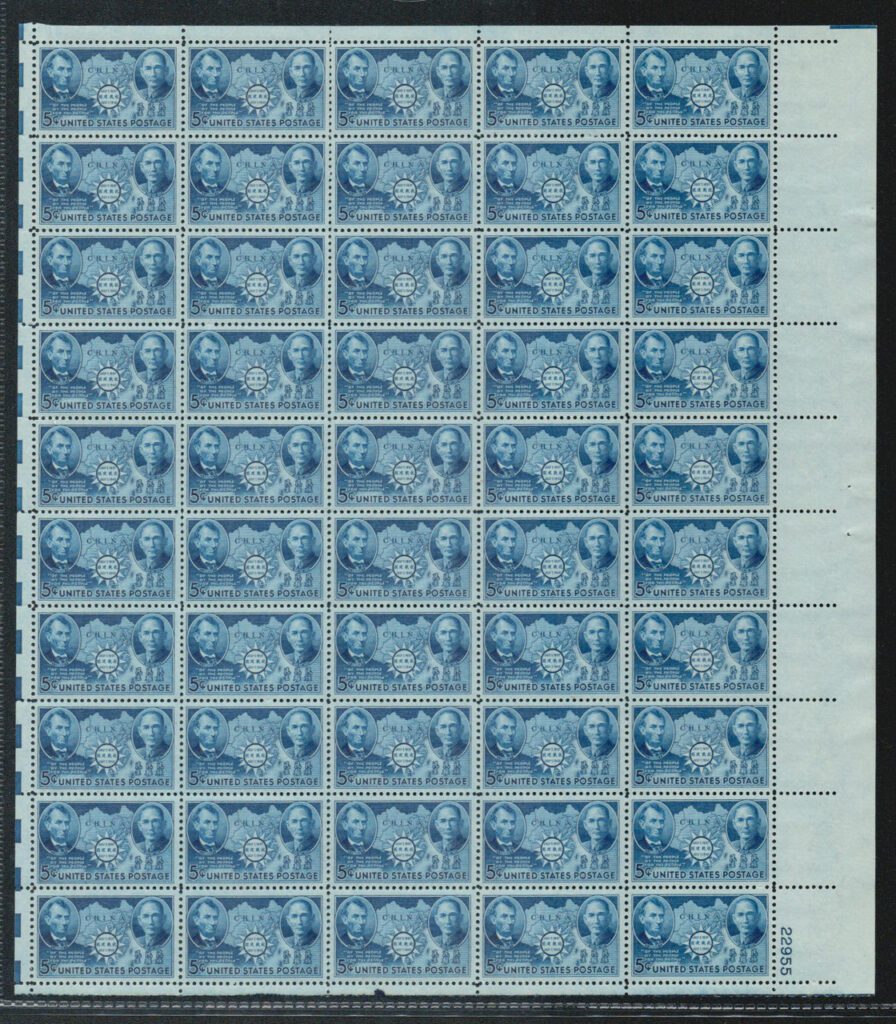
The 5¢ denomination paid the rate for a first-class letter sent from the United States to China. That made the stamp both commemorative and practical. It could carry mail across the Pacific while also reminding Americans that China was one of the Allied nations resisting Japan.
The stamp was printed in blue and pictures two leaders: Abraham Lincoln and Dr. Sun Yat-sen. Lincoln appears on the left. Sun appears on the right. Sun is remembered as the founding father of the Republic of China and served briefly as its first provisional president in 1912.
The connection between the two men was not accidental. Sun’s Three Principles of the People were nationalism, democracy, and the people’s livelihood. The democracy principle was often compared to Lincoln’s famous words from the Gettysburg Address: “government of the people, by the people, for the people.” On the stamp, the phrase appears in English beneath Lincoln and in Chinese characters beneath Sun. Those Chinese characters made this the first United States stamp to include foreign characters as part of the design.
Other details add to the stamp’s message. A map of China fills the center. Above it is the white sun symbol of the Republic of China. Inside the sun are Chinese characters giving the date of the war’s beginning and the motto “Fight the War and Build the Country.” The design linked China’s past, present, and hopes for the future.
The stamp was issued in Denver, Colorado, for a specific reason. Sun Yat-sen was in Denver in October 1911, raising support among Chinese Americans, when he learned that the Wuchang Uprising had begun. That uprising helped trigger the revolution that ended the Qing Dynasty. Sun later returned to China and became provisional president of the new republic.
The Post Office Department worked carefully on the stamp. Officials considered designs with and without Lincoln, but they chose to include him to show shared democratic ideals. They also consulted with the Chinese embassy to check the sun symbol and Chinese inscriptions.
Reaction was mixed. Some critics said the map of China was not accurate enough. Others questioned why Lincoln, rather than George Washington, appeared with Sun. Supporters saw the stamp as a tribute to an important ally at a dangerous time. One Chicago Sun editor even used the stamp’s release to urge more aid for China.

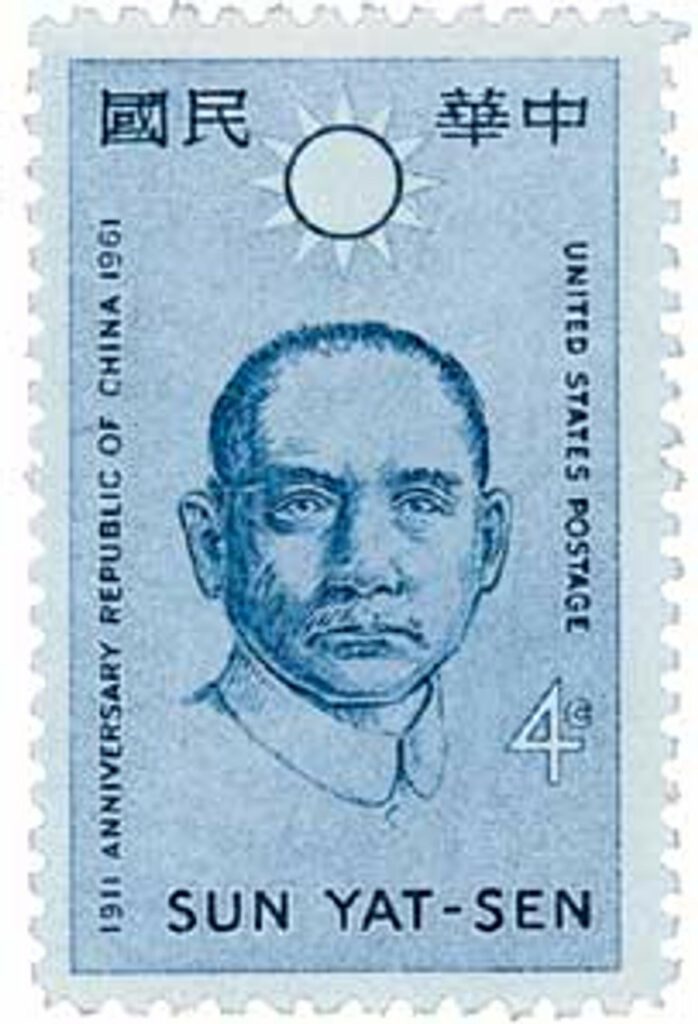
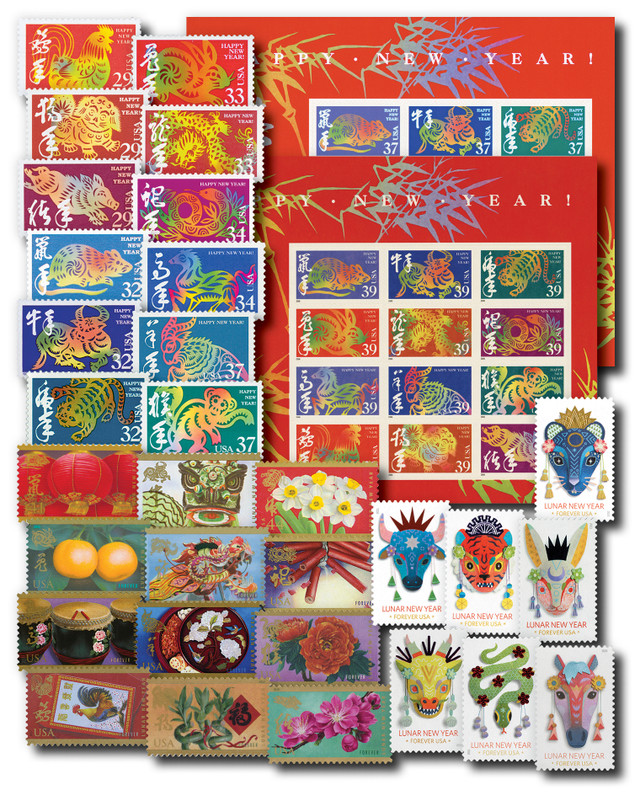
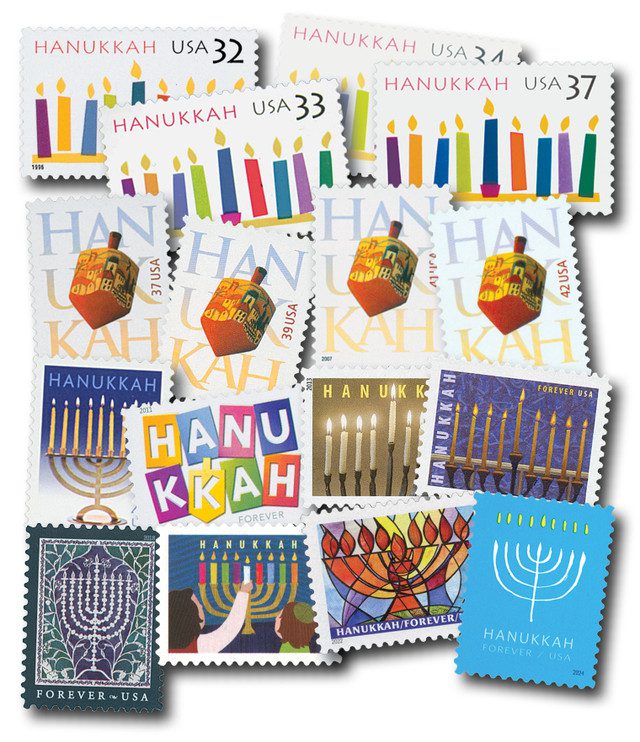
Other US stamps later included foreign or non-English characters. The 1961 Republic of China stamp also pictured Sun Yat-sen and included Chinese characters spelling out the Republic of China. Stamps in the Holiday Celebrations Series have included foreign characters: Chinese calligraphy on Lunar New Year stamps, Hebrew lettering on Hanukkah stamps, and Arabic calligraphy on Eid stamps.
| FREE printable This Day in History album pages Download a PDF of today’s article. Get a binder or other supplies to create your This Day in History album. |
Discover what else happened on This Day in History.
Postmaster General Frank C. Walker announced that he has authorized the stamp to be issued on June 9. It came out less than 30 days later. He/we received much publicity for announcing that it was a tribute to the efforts of China to preserve the principles of free government for its people. Sun Yat-sen was inspired by the works and writings of Abraham Lincoln and so pairing him with Lincoln on the stamp was perfect. Great job, Mystic! — jws
Mystic took this day in history to a higher level…excellent article and well
presented
Thanks for an illuminating an often forgotten part of our relationship with China. In the 1800’s, Chinese leaders referred to “The Beautiful Country”, with the “Flower Flag”, the United States of America. However, relations soured with the passage of the Chinese Exclusion Act in the 1920’s. This law and other events led to a revolutionary movement away from the newly established Republic.
America’s failure to assist after the Japanese invasion and the Nanking atrocities further antagonized the general populace and emboldened Mao and his armies to continue their fight. This missed opportunity resulted in the situation we find ourselves to China to this day.currently.