
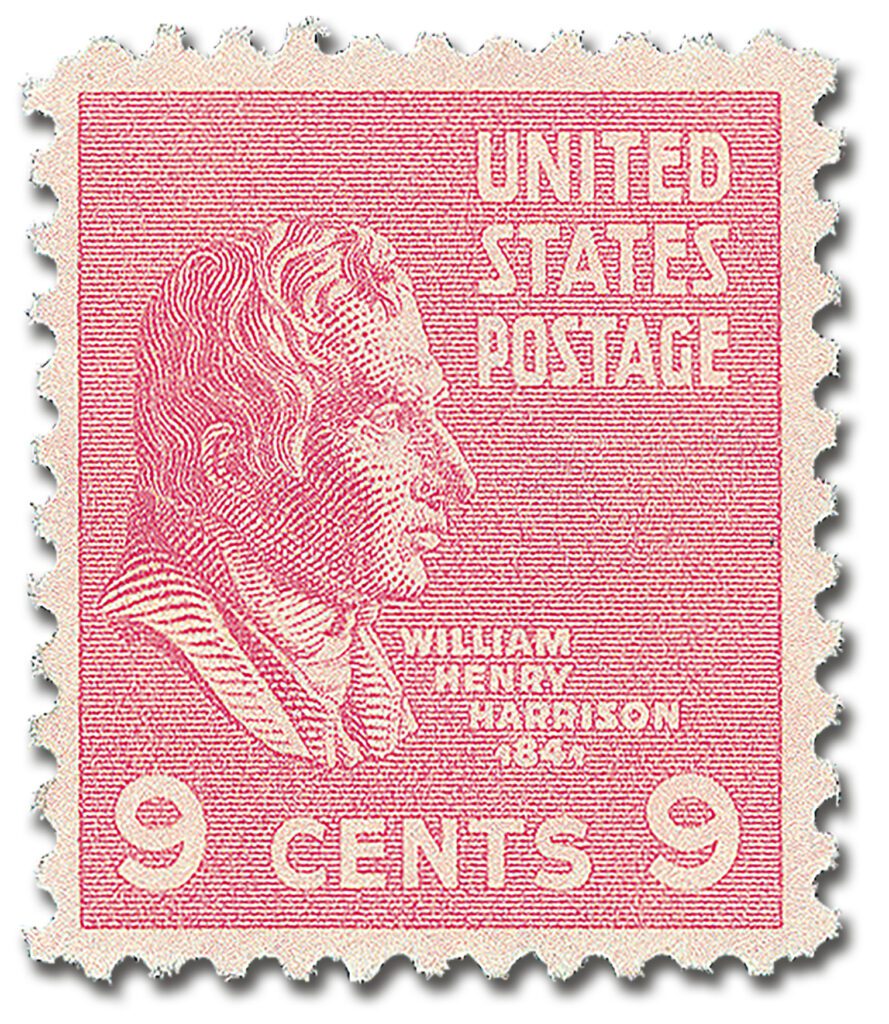
On October 5, 1813, future president William Henry Harrison defeated a British force and its Indigenous allies at the Battle of the Thames in Upper Canada. The victory restored US control of Detroit and the Michigan Territory, weakened Britain’s position in the western Great Lakes region, and brought the death of Shawnee leader Tecumseh.
The battle grew out of the difficult first year of the War of 1812. In August 1812, British Major General Isaac Brock captured Detroit with support from Tecumseh and warriors from several Native nations. The surrender gave Britain control of Detroit and strengthened its influence along the western frontier. It also alarmed Americans living in Ohio, Indiana, Michigan, and Kentucky.
William Henry Harrison, then governor of the Indiana Territory, was appointed commander of the Army of the Northwest. He faced serious problems. His army needed food, weapons, transportation, and a way to move safely across the Great Lakes. Britain’s control of Lake Erie made it difficult for the United States to supply troops or attack Detroit.
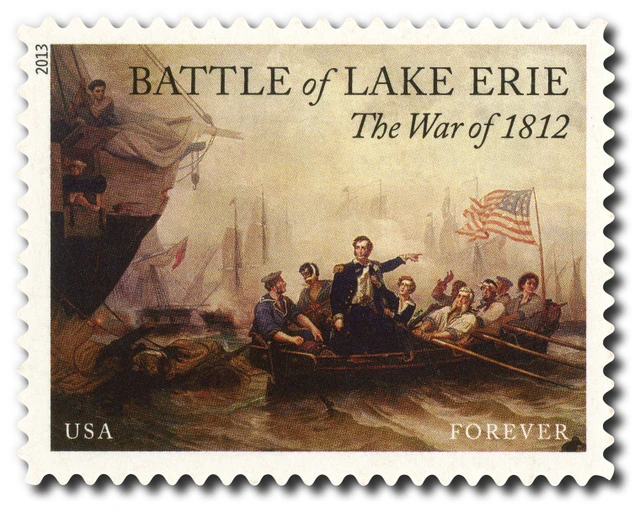
That changed in September 1813. On September 10, Master Commandant Oliver Hazard Perry defeated a British squadron in the Battle of Lake Erie. Perry’s victory gave the United States control of the lake. It also cut the British supply route to the forces holding Detroit, Amherstburg, and Fort Malden in Upper Canada.
The British commander in the west, Major General Henry Procter, now faced a dangerous situation. His soldiers had limited food and ammunition. Tecumseh and his followers had supported the British because they hoped Britain would help protect Indigenous lands from US expansion. They were unhappy with Procter’s retreat and with the British failure to provide supplies. Still, Procter decided to abandon Detroit and Amherstburg and move east along the Thames River.
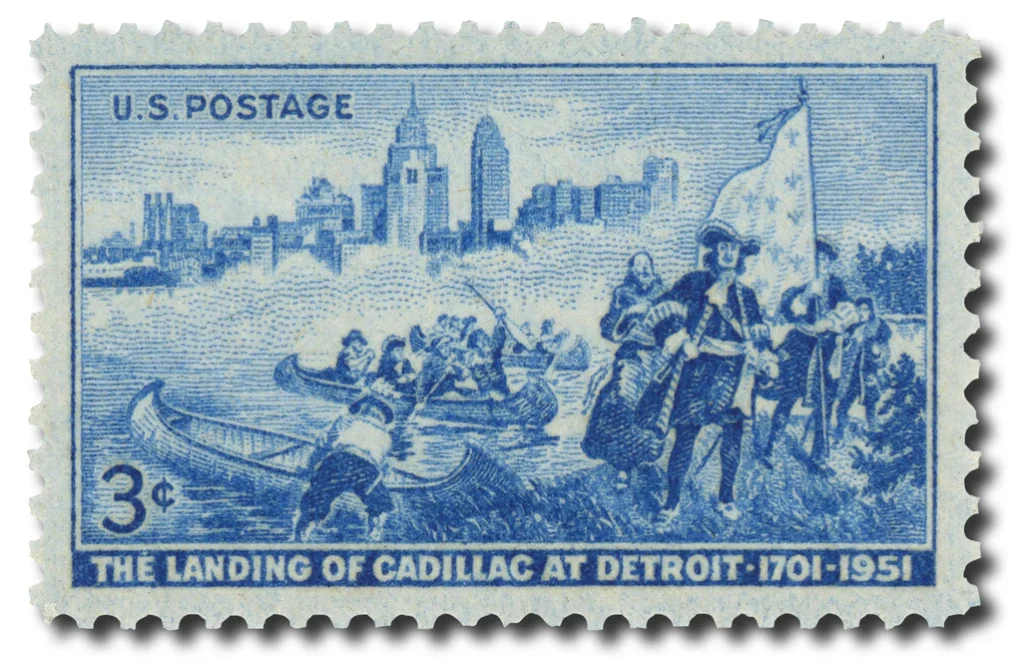
Harrison entered Detroit on September 29. He then sent a force of about 3,500 men after the retreating British. His army included regular soldiers, Kentucky mounted riflemen, and militia. The Americans moved quickly. Procter’s exhausted force could not maintain its distance.
By early October, Procter chose a defensive position near Moraviantown, a Christian Delaware community on the Thames River in present-day Ontario. His British regulars stood in a thin line between the river and a swamp. Tecumseh and roughly 500 Indigenous warriors took positions in the woods and swampy ground to the British right. Procter had fewer than 1,000 men in all. Harrison’s force was far larger.
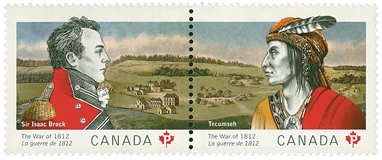
Harrison reached the British position on October 5. He quickly decided that a direct mounted attack might break the narrow British line. Colonel Richard Mentor Johnson led Kentucky mounted troops against the British regulars. The charge succeeded. The British line collapsed in only a few minutes, and hundreds of British soldiers surrendered. Procter escaped the field, but his army was effectively destroyed as a fighting force.
The battle continued in the wooded area where Tecumseh’s warriors resisted the American advance. The fighting there was harder and more confused. Tecumseh was killed during the engagement. No one can state with certainty who fired the fatal shot. Johnson later claimed that he had killed Tecumseh, but the evidence is inconclusive.
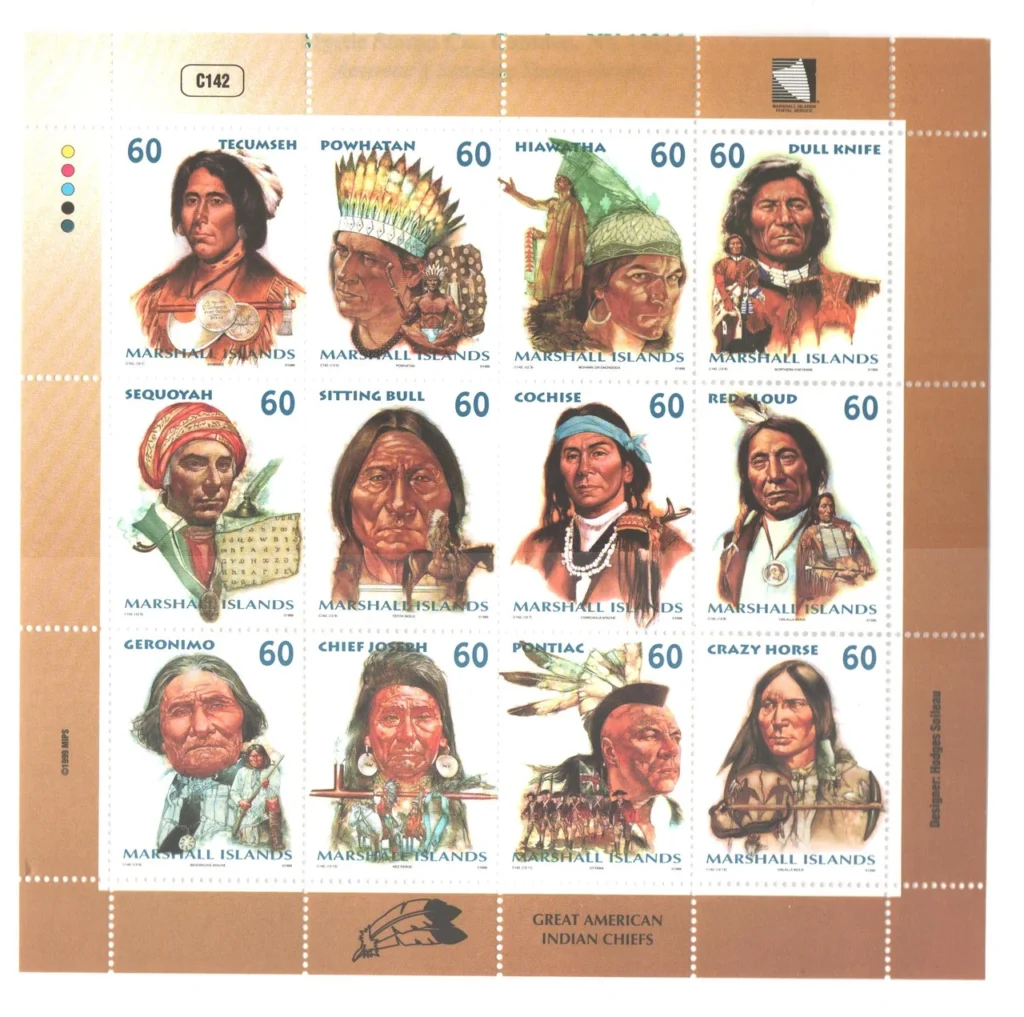
Tecumseh’s death was a major loss for the Indigenous confederacy he had worked for years to build. He had sought to unite Native nations in defense of their homelands and had opposed US settlement beyond existing boundaries. Many of his followers ended their cooperation with Britain after the battle, although Indigenous resistance and treaty negotiations continued in the region for years.

The Battle of the Thames did not end the War of 1812. British forces still held Fort Mackinac, and fighting continued elsewhere along the Canadian border and the Atlantic coast. Yet the victory secured Detroit and the Michigan Territory for the United States for the rest of the war. It also ended the immediate danger of a British-led offensive across the Northwest frontier.
Harrison used the victory to negotiate armistices with several Native nations, though the agreements did not protect them from later pressure to surrender land or move west. The war ended with the Treaty of Ghent in 1814, which largely restored the prewar boundary between the United States and British North America.
For Harrison, the battle became an important part of his public reputation. Nearly three decades later, when he ran for president in 1840, supporters invoked his earlier victory at Tippecanoe with the campaign slogan “Tippecanoe and Tyler Too.” The Battle of the Thames was less famous in popular memory, but it was the campaign that removed Britain’s western field army and changed the balance of power around the Great Lakes.
| FREE printable This Day in History album pages Download a PDF of today’s article. Get a binder or other supplies to create your This Day in History album. |
Discover what else happened on This Day in History.
The war of 1812 sounds like a really important time in the history is the USA. Who knew all this about Harrison?
Thank you for the daily history lessons. I believe it is paramount that people strive to learn and remember as much of history as they can get their hands on. Keep up the great job.
Thanks for the history lesson, but don’t forget that Native Americans were NEVER treated well by any American commanders, so to say they were never again a threat only came to mean they had been so mistreated that they never had much strength against the government at all except isolated battles like Custer’s last stand etc. So as part native American (not really Indian) I don’t take much pride in this battle. The British did use the Americans as a way to boost their forces but unlike the Americans they never got to make such lopsided treaties and land grabs as U.S. government did.
Good refresher on Harrison’s contributions to running out the British again.
I love the daily info!!!
good read ,, thank you
I resent Native Americans not being of much import here. Who can blame them for helping the British who were never as abusive as US forces were.
Lots of interesting history stuff about President Harrison, Lake Erie, the British, Shawnee Chief Tecumseh and Detroit that I didn’t know!