1988 Winter Olympics in Calgary
On February 13, 1988, the Winter Olympics opened in Calgary, Alberta, Canada. They were the first Winter Olympics held in Canada and a record number of nations participated for the time.
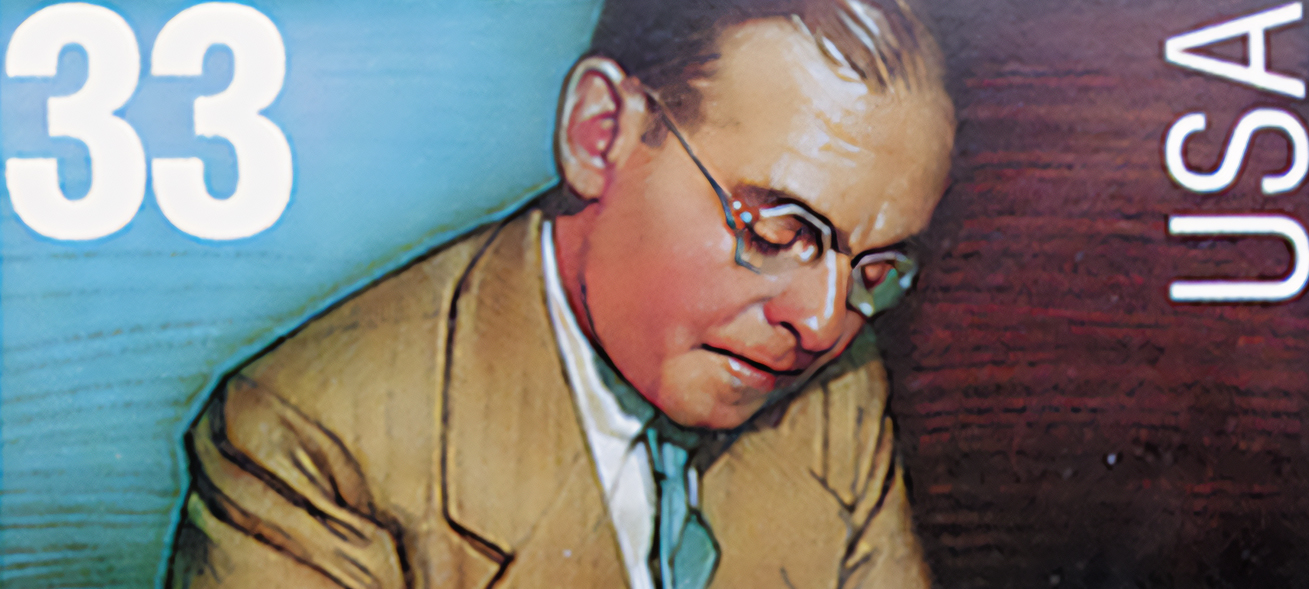
US General Omar Nelson Bradley was born on February 12, 1893, in the small town of Clark, Missouri—far from the battlefields where he would one day command millions. Known as the “GI’s General,” Bradley rose from humble beginnings to become one of America’s most trusted military leaders of World War II.
Thomas Alva Edison was born on February 11, 1847, in Milan, Ohio. Known later as the “Wizard of Menlo Park,” he earned more than 1,000 patents and helped transform how people lived, worked, and communicated.
On February 10, 1967, the Constitution gained a long-missing instruction manual for moments of presidential crisis. The ratification of the 25th Amendment finally spelled out who takes power, and how, when a president dies, resigns, or becomes unable to serve.
On February 9, 1825, John Quincy Adams was elected president of the United States even though he had not won a majority of the electoral vote. The unusual outcome exposed deep political divisions and set the stage for one of the most contested elections in early American history.
On February 8, 1960, construction began on the Hollywood Walk of Fame. The Walk has expanded over time and now stretches along 15 blocks of Hollywood Boulevard and three blocks of Vine Street. Today there are over 2,600 stars.
James Hubert “Eubie” Blake was born on February 7, 1887, in Baltimore, Maryland, at a moment when American music was on the verge of transformation. From those beginnings emerged a composer and pianist who would help shape ragtime, jazz, and Broadway for generations to come.
On February 6, 1959, Texas Instruments engineer Jack Kilby filed the first patent for an integrated circuit, a modest document that described a bold new way to build electronics. That filing helped set in motion a shift from room-sized machines to pocket-sized devices that would unfold over the next several decades.
On February 5, 1953, Walt Disney released his 14th animated feature, Peter Pan. The film brought a beloved stage story to life in a way audiences had never seen before, using animation to turn fantasy into motion, color, and sound.