
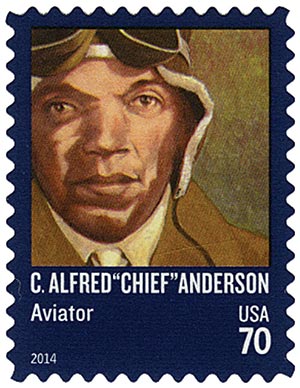
On March 19, 1941, the War Department ordered the creation of the 99th Pursuit Squadron, better known as the Tuskegee Airmen. What began as a reluctant experiment soon became one of the most disciplined and effective fighter programs of World War II.
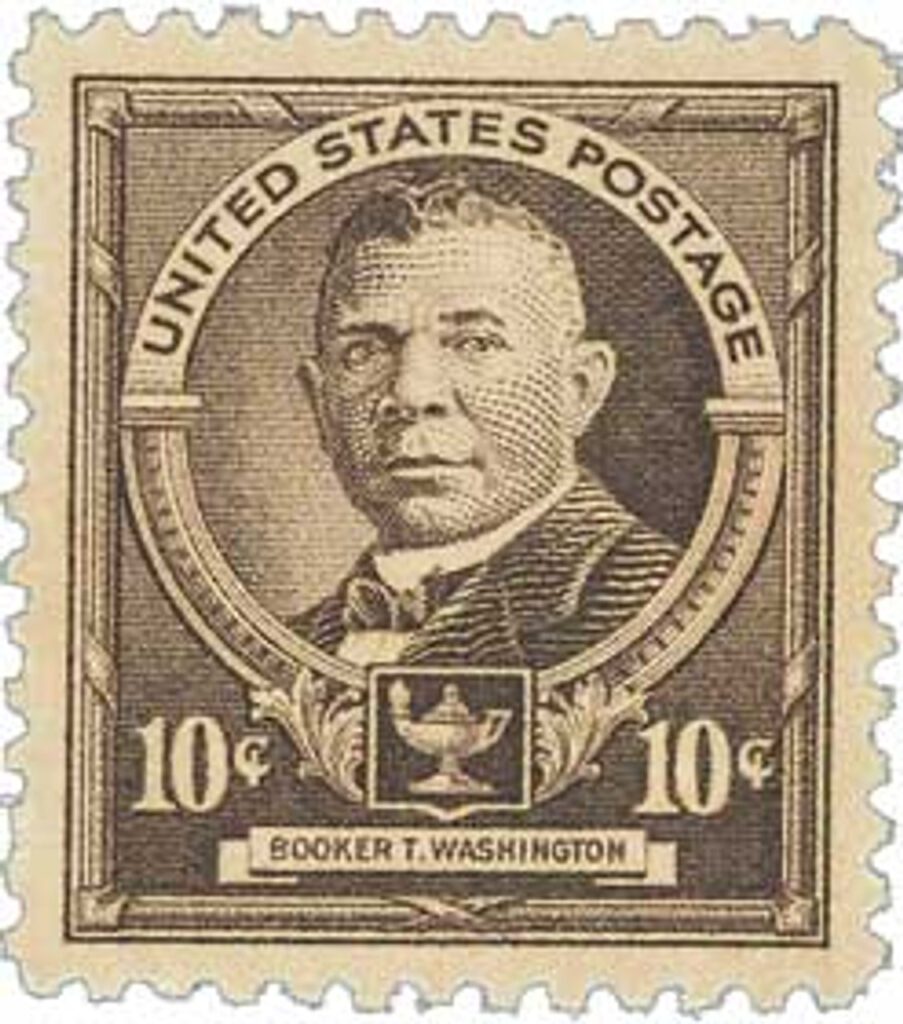
The story of the Tuskegee Airmen begins decades before the war, with the founding of the Tuskegee Normal School in Alabama on July 4, 1881. The school was established by Lewis Adams, a formerly enslaved man, and George W. Campbell, a former slaveholder. Both believed strongly in the value of education for African Americans. They chose 25-year-old Booker T. Washington as the school’s first leader. Under his direction, the school grew steadily. What began in a small church expanded into a respected institution covering more than 2,300 acres by the early 1900s. It would later become known as the Tuskegee Institute.
By 1940, the United States was preparing for possible involvement in World War II. At that time, opportunities for African Americans in military aviation were almost nonexistent. There were only 124 Black pilots in the country. Many had trained through the Civilian Pilot Training Program, including courses offered at Tuskegee. One of the most experiences instructors was Charles Alfred “Chief” Anderson, a highly skilled aviator who helped train many of these early pilots.
Despite this progress, the US Army Air Corps still refused to accept African American pilots. Officials argued that Black men lacked the ability to serve in complex combat roles. To avoid integration, the War Department created strict requirements for pilot candidates. These included higher levels of education and flight experience than usual. However, many African American applicants met—and even exceeded—those standards.
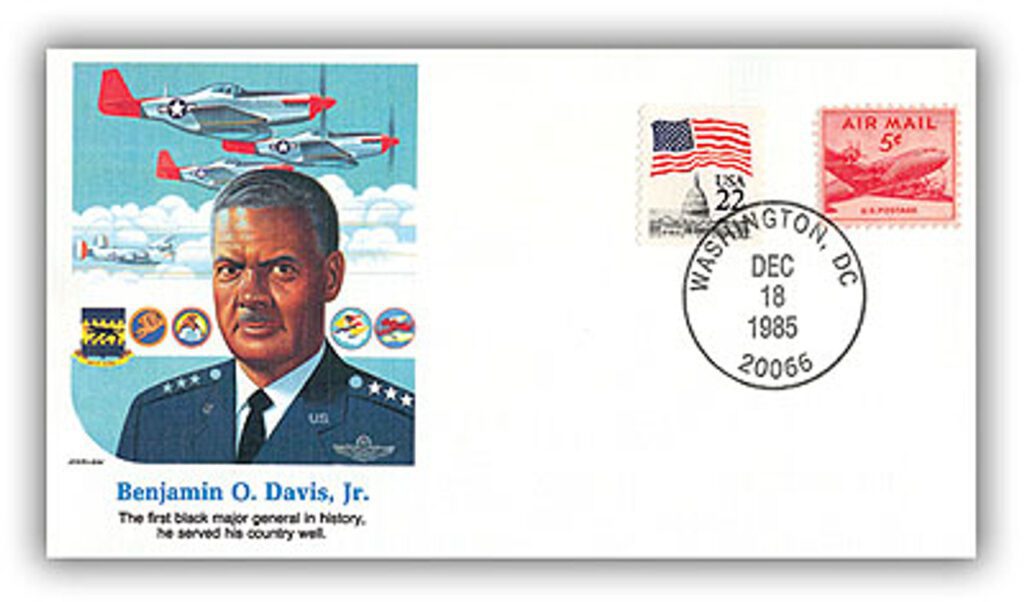
Faced with mounting pressure and a strong pool of qualified candidates, the War Department changed course. On March 19, 1941, it officially ordered the creation of the 99th Pursuit Squadron. This marked the first time African American pilots would be trained for combat in the US military. The unit was soon activated and began training at Tuskegee, supported by a growing number of mechanics, engineers, and ground personnel.
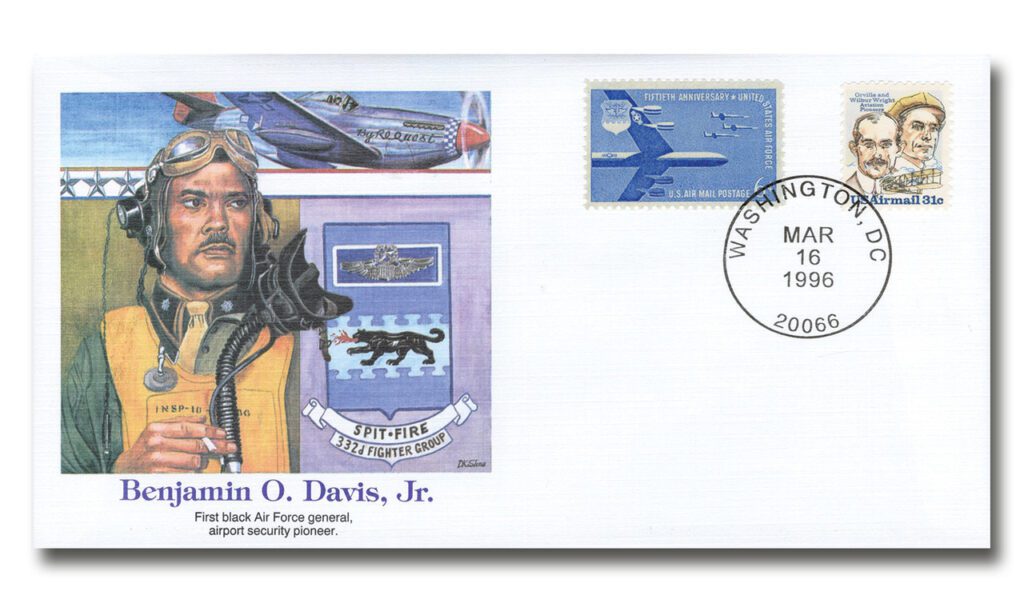
In June 1941, the unit was redesignated as the 99th Fighter Squadron. Training intensified as the United States entered the war later that year. By 1942, more than 3,000 men were involved in the Tuskegee training program. Leadership played a key role in shaping the unit. Captain Benjamin O. Davis Jr., a West Point graduate, became the squadron’s commanding officer. He emphasized discipline, preparation, and professionalism.
In April 1943, the 99th Fighter Squadron deployed to North Africa for their first combat assignment. They flew missions in support of Allied operations, including the assault on the island of Pantelleria. Their performance earned the squadron a Distinguished Unit Citation, an early sign of their effectiveness in combat conditions.
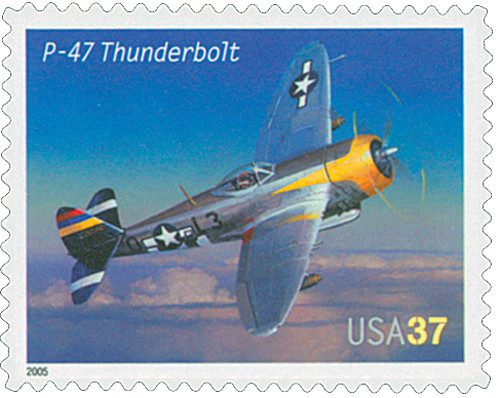
As training continued, enough pilots graduated to form additional units. In 1944, the 332nd Fighter Group was created, made up of four squadrons. These pilots flew P-47 Thunderbolts and later P-51 Mustangs. They became well known for escorting heavy bombers on long-range missions over Europe. Their aircraft often featured distinctive red-painted tails, which made them easy to identify.
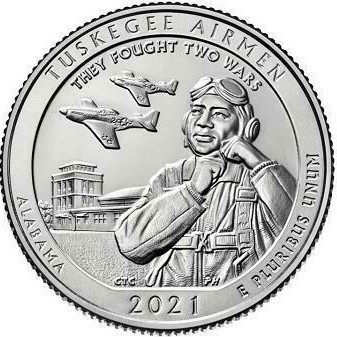
The Tuskegee Airmen flew a wide range of missions. These included bomber escorts, ground attack operations, and strafing runs against enemy positions. By the end of the war, 992 pilots had completed training at Tuskegee. Of these, 355 were deployed overseas. Eighty-four lost their lives during training or combat.

In total, the Tuskegee Airmen flew 1,578 combat missions, including 179 bomber escort missions. They destroyed or damaged more than 1,300 enemy aircraft, rail cars, trucks, and other targets. Their achievements were recognized with numerous awards. These included several Silver Stars, 150 Distinguished Flying Crosses, 14 Bronze Stars, and 744 Air Medals.
Beyond their combat record, the Tuskegee Airmen played an important role in changing military policy. Their success challenged long-held assumptions about race and ability. In 1948, President Harry S. Truman signed an executive order ending segregation in the US armed forces. Many Tuskegee Airmen continued their careers in the newly formed US Air Force.
In 2007, the Tuskegee Airmen were collectively awarded the Congressional Gold Medal. This honor recognized both their wartime service and their role in expanding opportunities within the military.
| FREE printable This Day in History album pages Download a PDF of today’s article. Get a binder or other supplies to create your This Day in History album. |
Discover what else happened on This Day in History.
Great! More please about events that seldom gets recounted in mainstream media, schools, etc. Just the right stuff to enlighten the public’s sense of history, one of philately’s best features. Thanks. GdR
The “Red Tails”, as they were referred to by the Bomber crews, were a desired escort on those long missions into Germany. Those “Red Tails” are honored today by the Commemorative Air Force who still fly that Red Tailed P-51 at airshows around the country. Gen. “Chappy” James is a Vietnam version of those unique flying men.
The movie is a must see and according to the ending notes the 332nd never lost an escorted bomber.
Simply great historical news. Keep it up.
Always interesting and informative. People need to understand our history ,so the same mistakes don’t repeat themselves.
Great piece on a well deserved Group of Patriots!!!
About time these brave and skilled heroes were given ample recognition in our country. Thanks Mystic for not blowing this opportunity.
Great simple story about some very courageous men. My uncle flew b-24 liberators
and refused to fly unless the 332nd was escorting them. He never lost a friend with those guys around. They were crack pilots.
Thanks Mystic and great stamps.
Great article, Mystic. Thank you gentlemen for your service to our country.
Another good artu
Good stuff.
I applaud and appreciate the great service provided by the Tuskegee Airmen and the 99th Flying Squadron. Thank you for this nice tribute to the Tuskegee Airmen. Best Regards Dr. Doug
It is unfortunate that it took so long for our country to recognize these brave patriots.
Had it nor been for these men who proven that inspire the obstacles, we can still excell. Hooray for these men who showed how to overcome adversity!!
I knew a little about the Tuskegee Airmen and the 99th Flying Squadron but this essay solidly proves the high value of their recognition. Thank you so much, Mystic, for this GREAT update about these Super-Grand American Patriots !!!
Thank you, Mystic for: “This Day In History” As some of our responders
comment: “Not everywhere can we find historical events as clear and
concise as you provide”
These gallant men who saved countless lives nevertheless returned home to raciest acts of violence.