
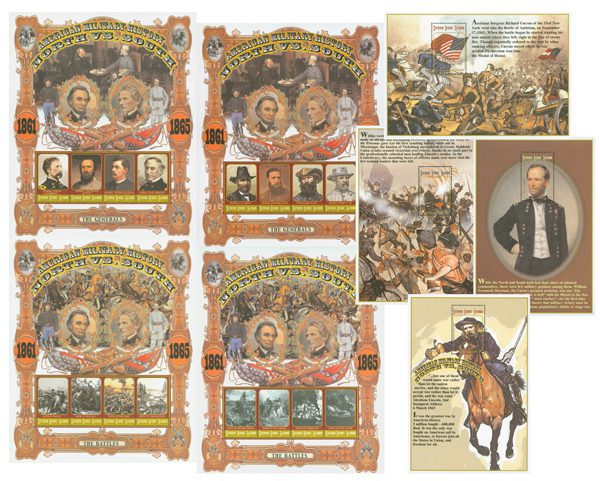
On June 25, 1876, Civil War veteran George A. Custer died at the Battle of the Little Bighorn. The battle became one of the most famous defeats in US Army history, but its deeper story was about land, broken promises, and Native nations fighting to protect their way of life.
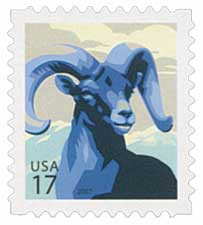
The conflict grew out of the United States’ rapid expansion across the Great Plains. For generations, the Lakota, Northern Cheyenne, and other Plains Peoples had lived, hunted, traded, and traveled across this region. Their lives were closely tied to the buffalo, which provided food, clothing, shelter, tools, and spiritual meaning.
As more settlers, railroads, miners, and soldiers moved west, pressure on Native lands increased. The US government made treaties with Native nations, but those agreements were often ignored or changed when white settlers wanted the land. One of the most important was the 1868 Treaty of Fort Laramie. It recognized the Black Hills as part of the Great Sioux Reservation and promised that the land would be set aside for the Lakota.
That promise did not last. In 1874, Custer led an Army expedition into the Black Hills and confirmed reports of gold. Soon, miners rushed into the area, even though it was protected by treaty. The US government tried to buy the Black Hills, but Lakota leaders refused to sell land they considered sacred. When many Lakota and Cheyenne people would not move onto reservations, the government ordered them to report by January 31, 1876. Those who did not comply were treated as hostile.

That spring and summer, the Army sent several columns into the northern plains. Their goal was to find the Native groups who remained off the reservations and force them back. One column was led by General Alfred Terry. Custer, now a lieutenant colonel in the regular army, commanded part of Terry’s 7th Cavalry.
Custer was already famous from the Civil War. He had graduated from West Point in 1861 and quickly became known as a daring cavalry officer. He fought in major campaigns, including Gettysburg, the Wilderness, Petersburg, and Appomattox. His courage was real, but he was also known for taking risks. At Little Bighorn, that habit would matter.
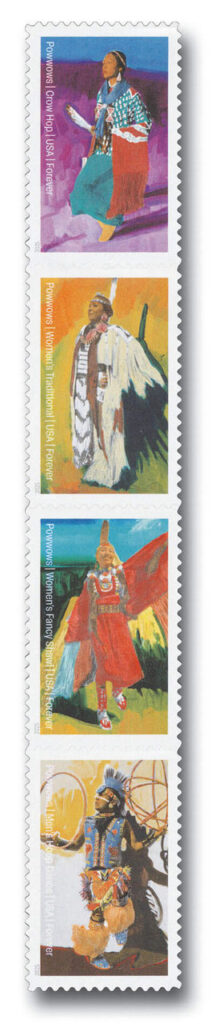
On June 25, Custer’s scouts found a large Native village along the Little Bighorn River in Montana Territory. The village included Lakota, Northern Cheyenne, and Arapaho families. Many had gathered after a recent Sun Dance led by Sitting Bull, a respected Hunkpapa Lakota spiritual leader. Sitting Bull had reportedly described a vision in which soldiers fell into camp. To many in the village, this strengthened the belief that they could resist the Army.
Custer did not know the village’s full size. It may have held several thousand people, including many warriors. Instead of waiting for other Army forces, he divided his command. Major Marcus Reno was ordered to attack from the south. Captain Frederick Benteen was sent to scout to the left. Custer led five companies toward the northern end of the village.
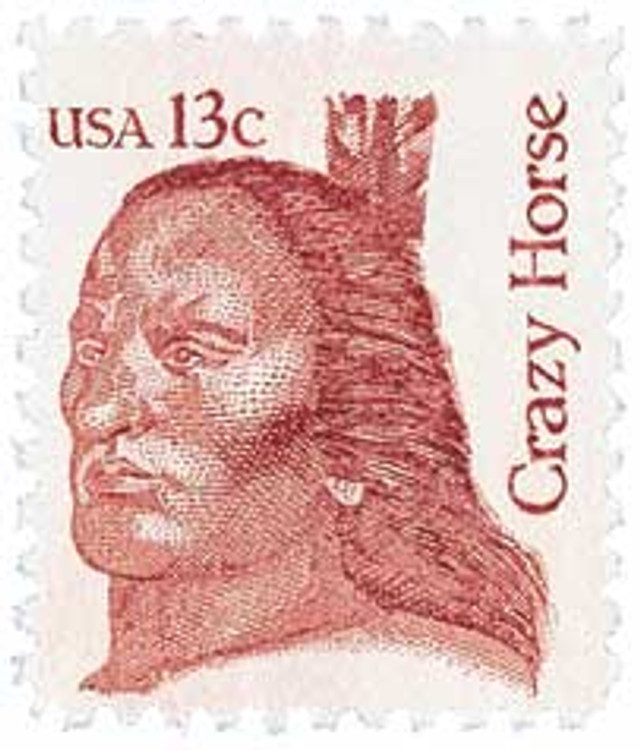
The attack quickly fell apart. Reno’s men met strong resistance and retreated across the river to the bluffs. Benteen later joined them there. Meanwhile, warriors moved against Custer’s separated force. Native leaders and warriors, including Crazy Horse, Gall, Two Moon, and others, helped organize the defense and counterattack.
Custer and the men with him were surrounded. All five companies in his immediate command were killed. In total, about 260 US soldiers, scouts, and attached civilians died in the battle. Native losses were much smaller, though exact numbers are uncertain.
The Battle of the Little Bighorn was a major victory for the Lakota, Cheyenne, and Arapaho. Yet it did not stop US expansion. The shock of Custer’s defeat led the government to send more troops west. Within a year, many Native groups were forced to surrender.
For years, the battle was remembered mainly as “Custer’s Last Stand.” Today, it is understood more fully. It was not only the death of a famous officer. It was also one of the last major victories of Plains Native nations defending their land, freedom, and culture.
| FREE printable This Day in History album pages Download a PDF of today’s article. Get a binder or other supplies to create your This Day in History album. |
Discover what else happened on This Day in History.
What about his massacre of an Indian encampment at Washita several years earlier? Custer was a Glory Hound and it got him killed along with a couple hundred of his men. Wasn’t the Army’s worst defeat by the Native Americans. It lost three times as many men during St. Clair’s defeat in 1792 in what is now Ohio. Look it up.
These were the Lakota’s that were run out of the Black Hills after gold was found there.
Agree with the above. Custer was the early version of Douglas MacArthur, vain, self-promoting, and reckless. He murdered indians as stated above, and totally ignored his orders about the Little Big Horn. he was NOT a hero at all, just a jerk. We need to stop glorifying him.
Custer was a General officer during the Civil War but after the war went back to his permanent rank, that of Lt Colonel. Even so many of those permanent rank officers continued to wear their rank emblems that they had achieved on their uniforms from their temporary status; that is apparently what Custer did after seeing paintings and photos from that period of time.
Nice to see the USPS recognize Sitting Bull and Crazy Horse as part of the Great American Series.
US #2183 features my great great great uncle who commanded the Native American side of the battle, Sitting Bull, which is an incorrect translation of his name which should actually read “Buffalo Bull who is Sitting Down,” Tatanka Iyatake of the Hunkpapa Sioux Nation. Kudos to those who posted above about the reality of the US Army vs the Native Nations in other than the Battle of the Little Bighorn.
Happy to say that a school in Bozeman was named Chief Joseph.